Face & Skin

Pico Laser in Singapore

Last Reviewed: 9 Oct 2026

Pico laser in Singapore is used for pigmentation, acne scarring, enlarged pores and unwanted tattoos across the range of skin types seen locally. This guide covers how the treatment works, who it may suit, and what to expect, so you can make an informed decision with your doctor.

Book An Appointment
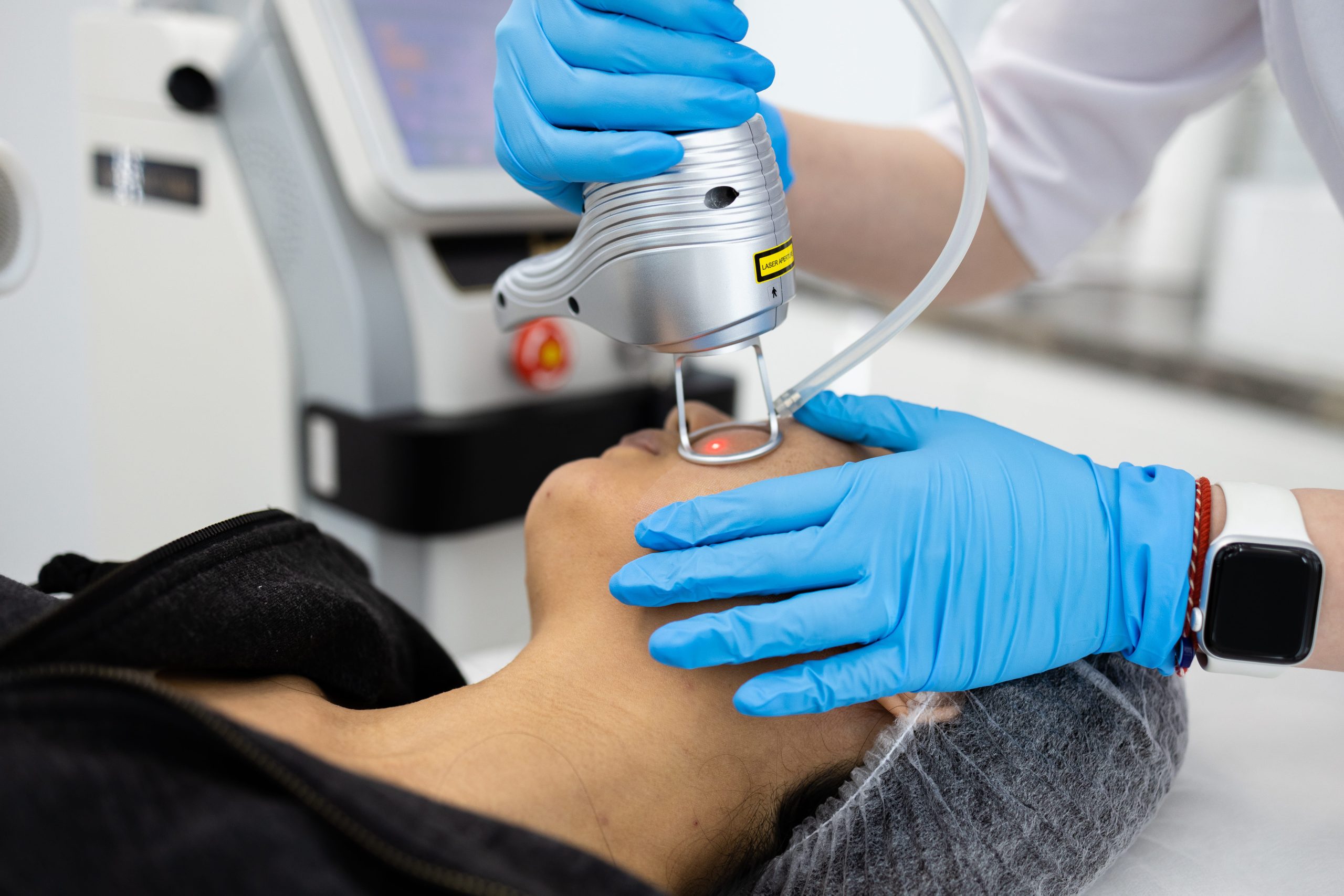
https://www.idsclinic.com/wp-content/uploads/2026/09/adult-receiving-facial-laser-treatment-in-clinic-2026-03-20-00-06-00-utc-1-scaled.jpgPico Laser in Singapore

What Is Pico Laser?

Pico laser is a non-ablative laser technology that delivers energy in pulses measured in picoseconds (trillionths of a second), roughly 1,000 times shorter than the pulses used in nanosecond laser platforms. This matters clinically: the energy is deposited so rapidly that the target pigment fragments through a pressure wave rather than being heated. The result is more selective fragmentation with less heat spreading into surrounding tissue.

Two core mechanisms drive its clinical usefulness.

The first is photoacoustic fragmentation, which breaks pigment into smaller particles that may then be cleared through the body’s natural processes.

The second is laser-induced optical breakdown (LIOB), where focused energy creates microscopic cavitation zones (tiny bubbles) in the deeper skin layer, triggering collagen and elastin remodelling without wounding the surface. This mechanism is designed to trigger collagen and elastin remodelling in the deeper layers while minimising thermal damage to the skin surface.

Picosecond platforms sit within a wider range of laser treatments used in Singapore, and are not a replacement for all of them. An aesthetic doctor considers picosecond technology particularly relevant for patients with naturally darker skin tones, where the risk of heat-related injury requires careful parameter management.

Is Pico Laser Right for You?

Singapore’s multiracial population means most patients fall within skin types where post-inflammatory hyperpigmentation (PIH), which is the darkening of the skin after irritation or injury, is a genuine clinical consideration. Candidacy assessment is therefore one of the most important steps in the treatment process.

Pico laser may be considered for concerns such as:

  • Epidermal or dermal pigmentation concerns such as melasma, sun spots, or post-acne marks
  • Atrophic acne scarring (shallow, depressed scars) or textural irregularities
  • Enlarged pores affecting skin smoothness
  • Unwanted tattoos, including multicolour or previously treated tattoos (tattoo removal)
  • Naturally darker skin tones, provided treatment parameters are calibrated accordingly

Pico laser may not be appropriate in certain situations, including:

  • Active skin infections, open wounds, or inflammatory acne in the treatment area
  • Used oral isotretinoin within the past six to twelve months, as this increases tissue fragility
  • A current or recent pregnancy
  • Certain autoimmune or photosensitive conditions that contraindicate laser exposure
  • A history of keloid scarring, which requires individual assessment

A pre-treatment skin assessment is important to determine treatment suitability and appropriate treatment parameters.

What Are the Benefits of Pico Laser Treatment?

  • Selective pigment fragmentation designed to reduce collateral thermal damage compared to longer-pulse platforms.
  • Support for collagen and elastin remodelling via LIOB to address skin texture and shallow atrophic scarring without surface ablation.
  • Versatility across multiple concerns (pigmentation, acne scars, enlarged pores and tattoo removal) through handpiece and wavelength selection.
  • Applicability to darker skin tones when parameters are calibrated, which is clinically relevant across Singapore's population.
  • Progressive, cumulative change across sessions, with collagen remodelling continuing for months after the final treatment.
  • Shorter recovery relative to ablative treatments such as fractional CO2 laser, though some downtime should still be expected depending on treatment intensity.

Benefits vary between individuals and are not guaranteed. Suitability and likely response are assessed at consultation.

How Should You Prepare Before Pico Laser Treatment?

Before treatment, your doctor may advise limiting excessive sun exposure and using appropriate sun protection. Recent sun exposure may affect treatment suitability and the risk of pigment changes.

Your doctor may advise temporarily stopping certain active topical products, such as retinoids or exfoliating acids, before treatment. Follow the specific pre-treatment instructions provided for your skin and treatment plan.

Disclose all medications at your consultation. Blood thinners can increase bruising risk. Isotretinoin use within the past six to twelve months is a contraindication. Your clinician needs a complete picture to assess your safety profile.

Arrive with clean, product-free skin. No makeup, sunscreen or active serums on the treatment area. Your clinician will cleanse the skin before the session, but starting clean reduces preparation time and contamination risk.

How Much Does Pico Laser Cost in Singapore?

The cost of pico laser treatment in Singapore is not a single figure, because the variables that determine the fee are clinical rather than cosmetic. Understanding what drives the number is more useful than an indicative range when you are planning a budget.

Factors that influence cost include:

  • Treatment area size: Full-face sessions differ from targeted spot treatments
  • Condition complexity: Dermal melasma or dense tattoo ink generally requires a longer course
  • Wavelength and handpiece selection: Fractional and specialised handpieces carry different cost structures than standard delivery
  • Number of sessions required: The single-session fee is only part of the picture; the total course matters more for planning
  • Clinical oversight: Consultation, patch testing, review appointments and post-treatment management may be quoted separately or bundled

Pico laser treatments are not claimable under Medisave, as aesthetic procedures are generally excluded from the scheme. Clarifying this upfront helps with treatment budget planning.

Exact fees for each service are provided in writing at consultation. When you enquire, it is reasonable to ask what the quoted fee covers, how many sessions are anticipated for your condition, and whether a patch test is performed before a full treatment.

What Are the Risks and Side Effects?

Understanding the risk profile allows you to make an informed decision and to recognise when something warrants follow-up.

Common and expected side effects:

  • Transient redness: Typically resolves within hours to a few days. More pronounced with fractional handpieces or higher fluence settings.
  • Mild swelling: Usually resolves within 24 to 48 hours. Cooling and elevation help.
  • Temporary hyperpigmentation: Post-inflammatory darkening at the treatment site, more common in patients with naturally darker skin. Managed through conservative parameters, longer treatment intervals and adjunctive topical lightening agents.

Less common but clinically significant risks:

  • Blistering: Can occur if fluence is too high for the patient’s skin type, or if the skin was compromised at the time of treatment. Requires prompt clinical review.
  • Paradoxical darkening in melasma: Some melasma cases temporarily worsen before improving. This is more likely when treatment is too aggressive or intervals too short.
  • Prolonged lightening of normal skin: Uncommon but possible, particularly with repeated high-fluence sessions in the same area.
  • Scarring: Rare with appropriately calibrated parameters, but risk increases if aftercare instructions are not followed or if treatment is performed on compromised skin.

For patients with Fitzpatrick III–VI skin, PIH remains the most clinically relevant risk, which is why the conservative protocol described earlier (lower initial fluence, longer intervals, patch testing and adjunctive topical support to reduce melanocyte reactivity, the activity of the skin cells responsible for pigment) applies to this group.

Skin Type Assessment Before Pico Laser Treatment
A pre-treatment assessment identifies your Fitzpatrick skin type, pigmentation depth and history of previous laser response, which inform the parameters used.

Book A Consultation

Recovery and Aftercare

Recovery from pico laser is generally more manageable than after ablative laser treatments, but it is not without a visible healing phase. Knowing what to expect at each stage helps you plan around social and professional commitments.

Immediate Post-Treatment: First 24 to 72 Hours

Immediately after treatment: Expect redness and mild swelling. If a fractional handpiece was used for scar resurfacing, you may notice pinpoint bleeding or a bronzed, grid-like pattern on the skin surface.

First few hours: The skin will feel warm and mildly tender, similar to a mild sunburn. This typically settles within a few hours to overnight.

First-day care: Apply a cooling compress gently to reduce inflammation. Use only a gentle, fragrance-free cleanser and a plain moisturiser. Avoid all active ingredients, including vitamin C serums, retinoids and exfoliants. Do not pick or rub the skin.

Week 1 to Week 4 Aftercare Protocol

Sun protection is important after treatment. Use an appropriate broad-spectrum sunscreen and follow your doctor’s instructions on reapplication and sun avoidance, as UV exposure may contribute to post-inflammatory pigmentation during the recovery period.

Temporary darkening or crusting of treated pigmented areas may occur after some laser treatments. Follow your doctor’s aftercare instructions and avoid picking, scrubbing or peeling treated areas.

Hold off on reintroducing retinoids and exfoliating acids until at least two weeks post-treatment, or until your clinician confirms the skin barrier has recovered.

Hydration is a clinical priority. Use a ceramide or hyaluronic acid-based moisturiser twice daily to support barrier repair.

Contact your clinic if you experience blistering, redness persisting beyond five to seven days, new darkening outside the treated zones, or signs of infection such as crusting with discharge.

How Long Is the Downtime?

Downtime depends on what is being treated and how intensively. There is also a distinction worth making between medical downtime (when the skin is clinically healing) and social downtime (when you feel comfortable being seen in public). The two are not always the same.

Skin tone affects recovery duration. Patients with darker skin may experience more prolonged redness and a higher likelihood of transient PIH, which can extend the visible recovery window even where parameters were appropriately conservative.

Treatment Type Typical Downtime Return to Normal Activities
Pigmentation treatment 1 to 3 days of mild redness Next day for most patients, with mineral sunscreen
Acne scar resurfacing (fractional handpiece) 3 to 7 days of visible redness, grid marks, mild swelling 5 to 7 days for social activities
Tattoo removal 3 to 7 days depending on ink density and session intensity 5 to 7 days; avoid sun exposure to treated area


These are general observations and vary between individuals.

Understanding Your Expected Recovery And Treatment Timeline
A clinician-led consultation maps your skin type, condition depth and an individualised treatment plan before any decision is made.

Book A Treatment Planning Consultation
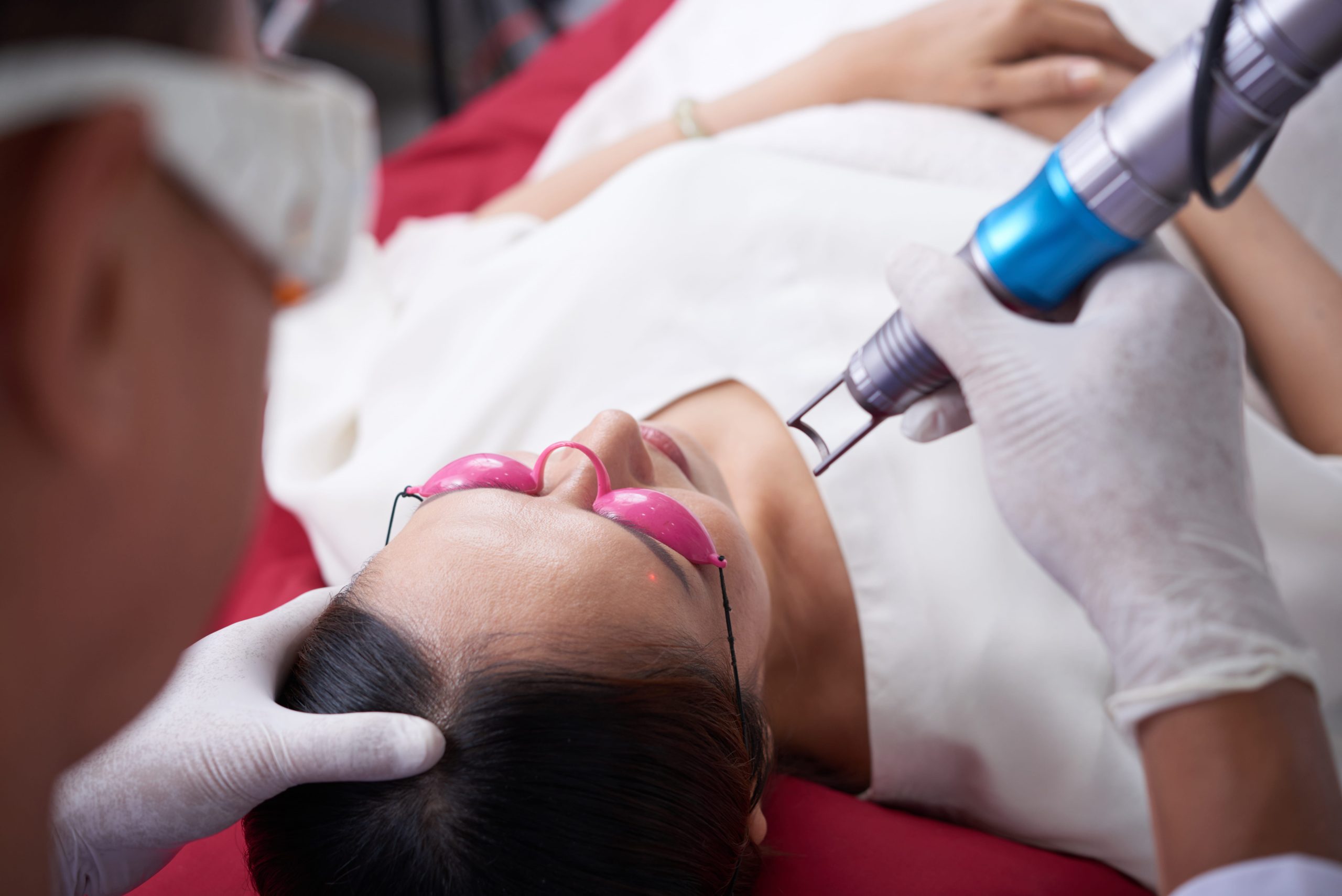
woman receiving laser treatment at medical spa 2026 03 18 05 34 52 utc 1 scaled woman receiving laser treatment at medical spa 2026 03 18 05 34 52 utc 1 scaled

How Does Pico Laser Compare to Other Laser Treatments?

Pico laser is not the right answer for every skin concern. The appropriate treatment depends on your condition, skin type and tolerance for downtime.

  • Nanosecond lasers: Deliver energy over a longer pulse duration, producing more heat. Still effective for certain pigmentation types, particularly superficial sun spots, and may be preferred in some clinical contexts. Less suited to deeper targets where pressure-wave fragmentation is needed.
  • Fractional CO2 laser: An ablative treatment that creates controlled micro-wounds in the skin surface, driving deep collagen remodelling. More suited to deep atrophic scarring, particularly ice-pick scars, but carries considerably more downtime (seven to fourteen days) and higher PIH risk in darker skin types. May be the appropriate option where pico laser alone is insufficient for severe scarring. A gentler alternative for some patients is fractional RF skin resurfacing.
  • Chemical peels: A non-laser option for mild to moderate superficial pigmentation. Lower cost per session, limited to surface targets, and requiring repeated maintenance. May suit mild pigmentation as a standalone option or serve as an adjunct to laser treatment.
  • Topical treatments: Suitable for mild superficial pigmentation and as maintenance between laser sessions, but insufficient alone for deeper pigmentation, acne scars or tattoo removal.

Laser modalities used in dermatological practice are selected based on individual patient suitability and clinical indications.

Frequently Asked Questions

Is pico laser painful?

Most patients describe the sensation as manageable: a series of sharp, brief snaps against the skin, similar to a rubber band flick. Topical anaesthetic cream is applied before treatment and reduces discomfort. Patients with lower pain thresholds or larger treatment areas can discuss additional comfort measures with their clinician.

How many pico laser sessions do I need?

This depends on the condition, its depth, and how your skin responds to the first few sessions. Published literature reports course lengths in the ranges set out in the conditions table above, but the number needed in any individual case cannot be determined before assessment, and results continue to develop after the final session for collagen-driven concerns.

Is pico laser safe for dark skin?

Pico laser is used in Fitzpatrick III–VI skin, but it requires the conservative protocol described earlier: lower fluence, longer treatment intervals, patch testing, and wavelength selection that minimises surface melanin absorption (typically 1064nm for deeper targets). The risk of PIH in these skin types is real and is managed through parameter choice rather than eliminated. Treatment sensation, which may feel like brief snaps against the skin, and comfort measures suited to your skin type can also be discussed with your doctor.

Can pico laser make pigmentation worse?

Temporarily, in some cases. Pigmented lesions often darken before they shed and clear, which is a normal part of the process. More significant is paradoxical worsening of melasma, which can occur where parameters are too aggressive or intervals too short. This is why thorough pre-treatment assessment and conservative initial parameters matter, particularly for melasma patients.

Medical disclaimer: This page is for general information and does not constitute medical advice, diagnosis or treatment. Suitability for pico laser treatment, and the parameters used, are determined only after an individual clinical assessment. Outcomes vary between patients.

Our Doctors

VIEW ALLRight arrow icon used for website navigation
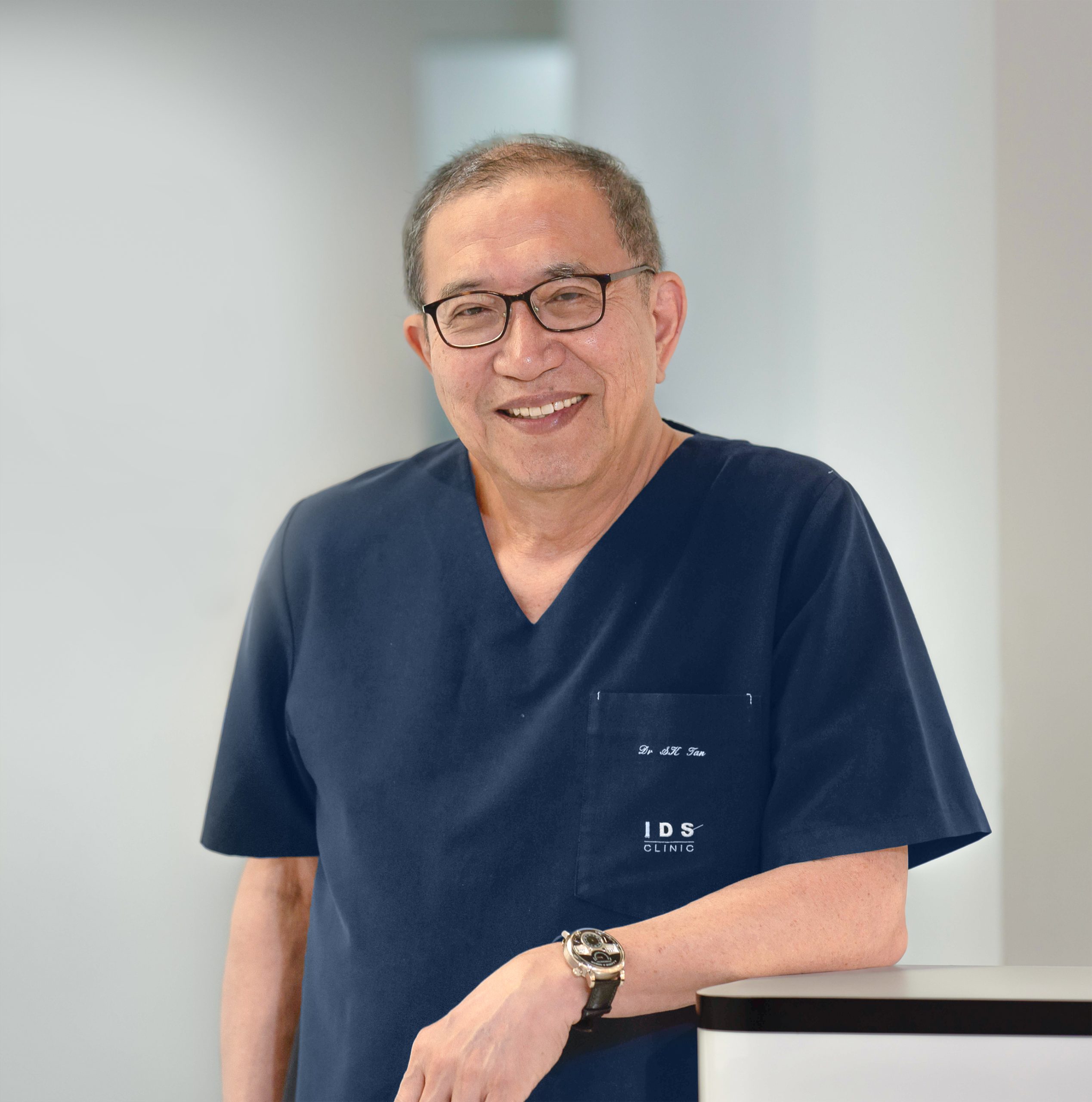
Clinic portrait of Dr SK Tan in medical attire

Dr. SK Tan

Special Interest

  • Hyper-pigmentation
  • Anti-Aging
  • Acne
  • Acne Scarring
  • Ingredient Studies

Dr. SK Tan

Dr Tan graduated in 1971, with a Bachelors of Medicine (MB) and a Bachelors of Surgery (BS) from the University of Malaya. Dr Tan’s interest in dermatology led him to train at the St John’s Institute of Dermatology in London in the 1970s and he has since been focused in the field of aesthetic dermatology.

  • MBBS
  • Diploma in Venereology (University of London)
  • Diploma in Dermatology (University of Wales)
  • Diploma in Cosmetic Science (UK)
  • Master of Business Administration
  • Fellow of the American Academy of Dermatology (FAAD)

He is a member of numerous medical associations, including the American Academy of Dermatology, the International Society of Cosmetic Laser Surgeons, and the International Academy of Cosmetic Dermatology. Dr Tan was one of the first local doctors to be certified by the American Board of Anti-Aging Medicine. His personal interest in pigmentary disorders and acne has also led him to become an International Member of the Pigmentary Disorders Society of India, the Asian Society of Pigment Cell Research, and the American Acne and Rosacea Society (AARS).

Dr Tan’s work has led him to be invited to speak at numerous international conferences in the US, Europe and throughout the Asia Pacific region. He is a co-editor of “Handbook of Cosmetic Microbiology”, a reference book published by Marcel Dekker, and his papers have been published in the Journal of Cosmetic Dermatology, International Journal of Dermatology, Journal of the European Academy of Dermatology and Venereology, Journal of Cosmetic and Laser Therapy, and Expert Review of Dermatology, and has contributed a chapter in the reference book ‘Pigmentary Disorders: A Comprehensive Compendium’.

Special Interest

  • Hyper-pigmentation
  • Anti-Aging
  • Acne
  • Acne Scarring
  • Ingredient Studies
Make An Enquiry
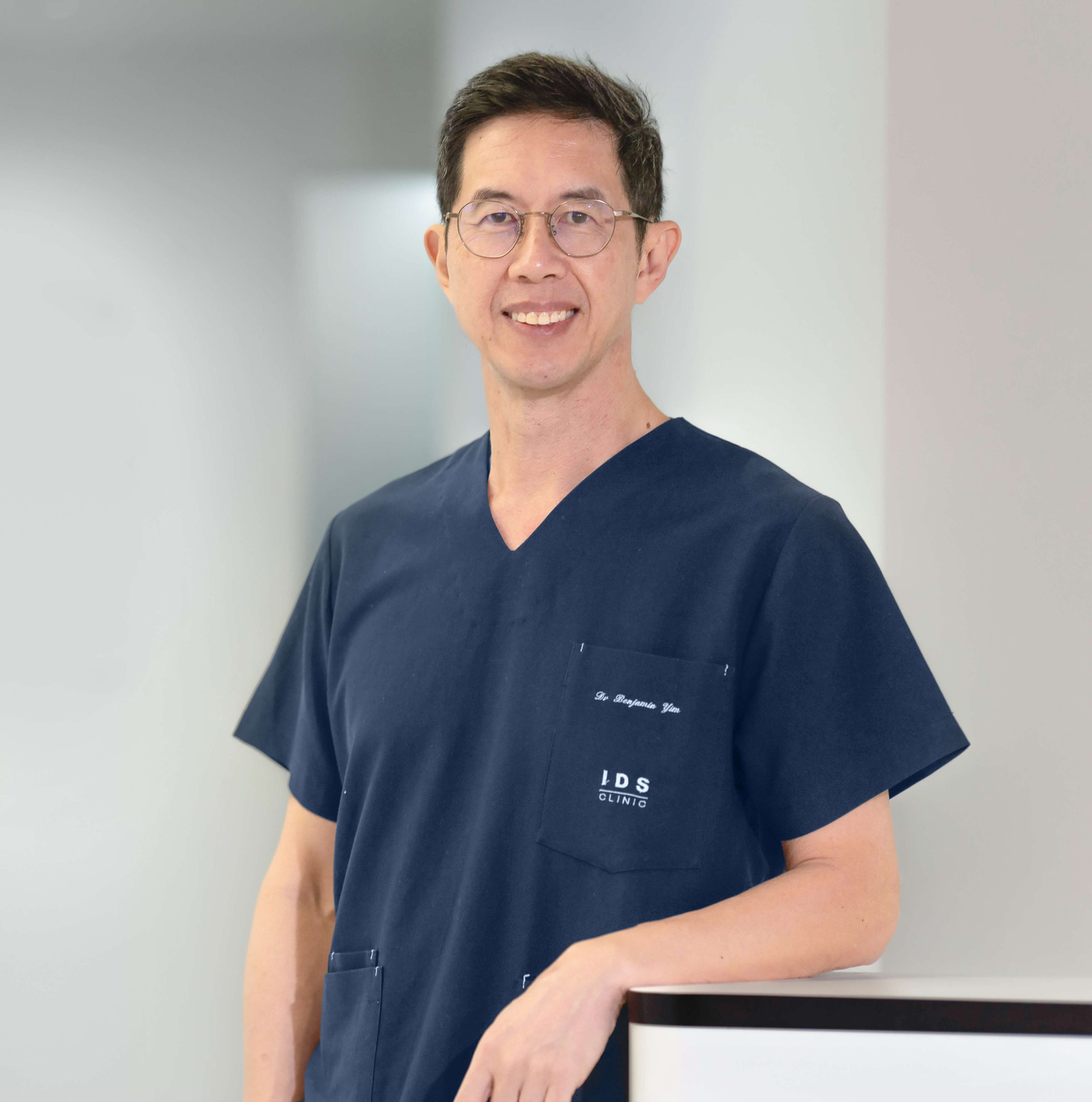
Portrait of Dr Ben Yim at IDS Clinic Singapore

Dr. Ben Yim

Special Interest

  • Anti-aging
  • Hyper-pigmentation
  • Body-Contouring
  • Fat Reduction

Dr. Ben Yim

Dr Yim graduated from Monash University in Australia with a Bachelor of Medicine and Bachelor of Surgery degree. He has also earned a Master of Science in Clinical Dermatology from the University of London and more recently in Non-Surgical Facial Aesthetics from Anglia Ruskin University in UK, as well as a Graduate Diploma in Family Physicians in National University of Singapore.

  • M.B.B.S (Monash University) 1994
  • Diploma Practical Dermatology (University of Wales College of Medicine) 1998
  • MSc. Clinical Dermatology (University of London) 1999
  • MBA (University of Chicago) 2011
  • MSc Non-Surgical Facial Aesthetics (Anglia Ruskin) 2018
  • GDFM (NUS) 2019

Dr Yim has been practicing aesthetic medicine in private practice since 2000. The former director of Clinical Aesthetics & Laser Centre has been offering a wide armamentarium of aesthetic services including Botulinum Toxins, fillers for facial enhancement, skin tightening, fractional lasers, threadlifts, and non-invasive body contouring treatments.

As a trainer for Allergan Medical Institute in Singapore, Dr Yim has been invited to speak and train for numerous aesthetic workshops and conferences including “The Advanced Facial Anatomy and Injectables Workshop”, Botulinum Toxins and Filler injectable training workshops organized by Allergan, “The Singapore Disease Conference 2008” and “1st International Conference on Healthcare Transformation 2008” and Forum for Professional Self-regulation jointly organized by the SingHealth Centre for Health Services Research and the NUS Medical Society, to name a few.

Dr Yim comes from a family of four doctors, all in private practice in family medicine. Despite the move into full-time aesthetic medicine, Dr Yim has also taken an interest in family medicine pursuing a Master degree in Medicine in Family Medicine in NUS in which he hopes to complete in 2020.

Outside of his profession, Dr Yim also actively participates in social projects such as tattoo laser removal for prison inmates and teenage delinquents. For leisure, he enjoys golf, reading, playing the piano and running – he has participated in several half-marathons.

Special Interest

  • Anti-aging
  • Hyper-pigmentation
  • Body-Contouring
  • Fat Reduction
Make An Enquiry
Portrait of Dr Michelle at IDS Clinic Singapore

Dr. Michelle Wong

Special Interest

  • Acne
  • Acne Scarring
  • Focused Ultrasound Lifting
  • Skin Brightening
  • Cryo based Treatment

Dr. Michelle Wong

Dr Michelle Wong graduated from The University of Melbourne, Australia with a Bachelors of Medicine, Bachelors of Surgery and Bachelors of Medical Science. She obtained her post-graduate Diploma in Clinical Dermatology with Distinction from the Queen Mary University of London, and holds a Diploma in Aesthetic Medicine with the American Academy of Aesthetic Medicine (AAAM).

  • MBBS from The University of Melbourne, Australia
  • Diploma in Clinical Dermatology from Queen Mary University of London
  • Diploma in Aesthetics Medicine from American Academy of Aesthetic Medicine
  • Diploma in Cosmetic Science (UK)

In aesthetics, Dr Wong believes she has discovered her ikigai – the intersection of what she is both good at and loves doing. Her preferred tools of the trade are injectables such as Botulinum Toxins & fillers, which she wields with finesse and intuition - often achieving what her patients desire but cannot express through words. Out of passion and interest, she regularly attends conferences and workshops, eager to learn about the latest treatments and techniques to further hone her craft.

Combining the science of medicine with the art of beauty, Dr Wong provides an honest consult to help her patients achieve their skincare and beauty goals. She believes in understated elegance – a focus on a less-is-more approach - and works to enhance her patients’ natural features whilst instilling self-confidence. Her reassuring and gentle approach puts patients at ease allowing her to achieve maximum results through safe and effective procedures.

In her free time, Dr Wong enjoys taking long walks with her dog at the park. Her family praises her inner domestic goddess that can whip up an impressive variety of home-cooked meals. She is also active in church medical missions and believes in contributing back to society through her God-given gifts and talents.

Special Interest

  • Acne
  • Acne Scarring
  • Focused Ultrasound Lifting
  • Skin Brightening
  • Cryo based Treatment
Make An Enquiry
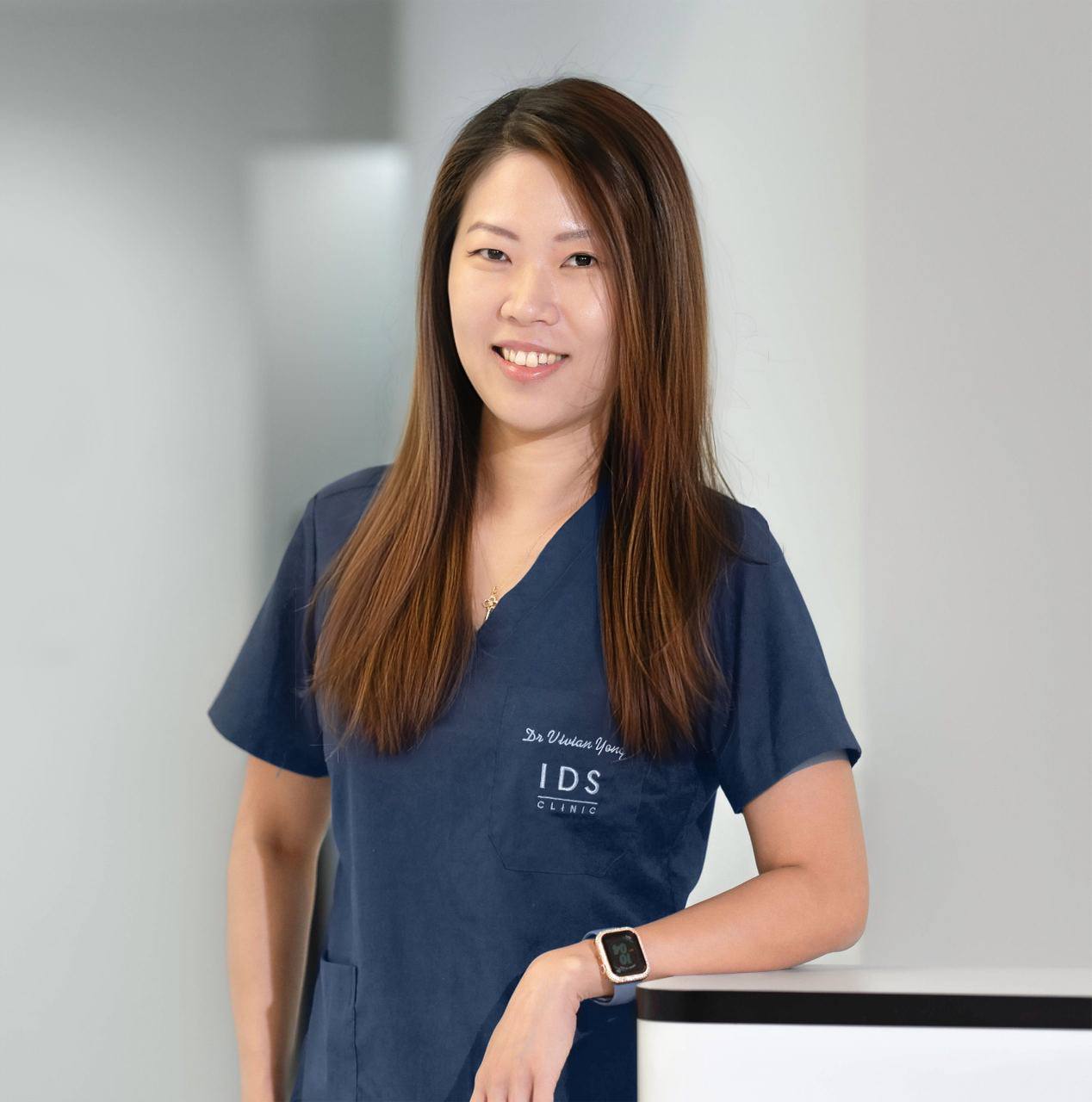
Medical professional portrait taken in clinic environment

Dr. Vivian Yong

Special Interest

  • Acne
  • Acne Scarring
  • Fillers
  • Neurotoxin Injection - Botulinum Toxins
  • Face Lifting
  • Facial Enhancement

Dr. Vivian Yong

Dr Vivian Yong graduated from National University of Singapore in 2006, and has an experience of more than 10 years in Aesthetics. She has also accumulated extensive surgical skills and experience from various rotations in general surgery, ophthalmology, and ENT.

  • MBBS
  • GDFM

Dr Vivian has always had a natural inclination towards science subjects and this led her into medicine. During her medical graduate days, she developed a keen interest in Aesthetics and Skincare, and she believes that Aesthetics is one area that allows her to help a patient achieve their ideal artistic expression based on science. While Dr Vivian is always keen to accommodate her patients’ needs, she ensures that their welfare remains the utmost priority. This is why Dr Vivian is loved by her patients for always being meticulous and attentive to details.

Dr Vivian’s eye for beauty goes beyond aesthetics. Outside the clinic, Dr Vivian loves to spend her time in leather crafting and jewelry making, transforming basics into beauty. She also loves spending her quiet time exercising in the gym or chilling at home with her loved one.

Special Interest

  • Acne
  • Acne Scarring
  • Fillers
  • Neurotoxin Injection - Botulinum Toxins
  • Face Lifting
  • Facial Enhancement
Make An Enquiry
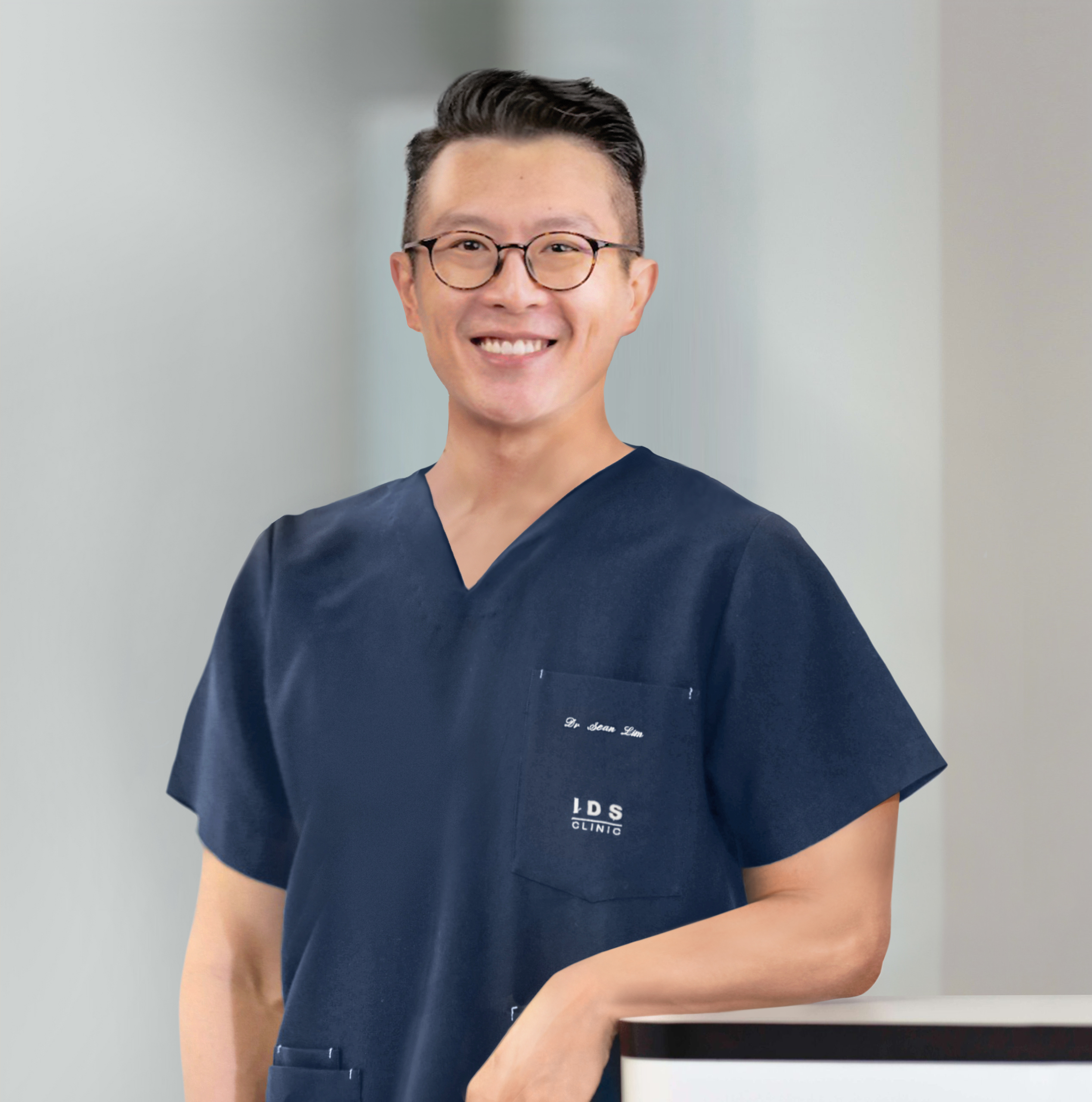
Portrait of Dr Sean Lim at IDS Clinic Singapore

Dr. Sean Lim

Special Interest

  • Acne
  • Acne Scarring
  • Fillers
  • Neurotoxin Injection - Botulinum Toxins
  • Face Lifting
  • Facial Enhancement

Dr. Sean Lim

Dr Sean is a dedicated medical professional with a diverse background in procedural disciplines and holistic care. He graduated with an MBBS degree from the National University of Singapore, earning recognition on the Dean's List for his exemplary performance in his final year Professional Examination.

  • MBBS (Singapore)
  • Certified Personal Trainer

Dr Sean is a dedicated medical professional with a diverse background in procedural disciplines and holistic care. He graduated with an MBBS degree from the National University of Singapore, earning recognition on the Dean's List for his exemplary performance in his final year Professional Examination. Fully registered with the Singapore Medical Council (SMC), Dr Sean is also certified to perform aesthetic procedures by the Aesthetic Dermatology Educational Group (ADEG). Beyond his clinical practice, Dr Sean actively engages in community service and leadership endeavours. He has contributed his medical expertise to humanitarian missions, including Naamjai Medical Missions trips to Thailand and a collaborative effort with plastic surgeons from NUH at Yangon's Defense Services General Hospital (DSGH).

Dr Sean's commitment to excellence extends beyond the medical field. As a former Singapore national athlete in pole vaulting, he has represented Singapore in numerous international competitions, earning accolades and setting records. Dr Sean’s passion for health and fitness is evident in his certification as a personal trainer and his dedication to maintaining an active lifestyle.

A proud new father, Dr Sean cherishes quality time with his family outside of work commitments, demonstrating a balanced approach to life and well-being. His belief in delivering quality care with a personal touch reflects his ethos as a compassionate healthcare provider.

Special Interest

  • Acne
  • Acne Scarring
  • Fillers
  • Neurotoxin Injection - Botulinum Toxins
  • Face Lifting
  • Facial Enhancement
Make An Enquiry
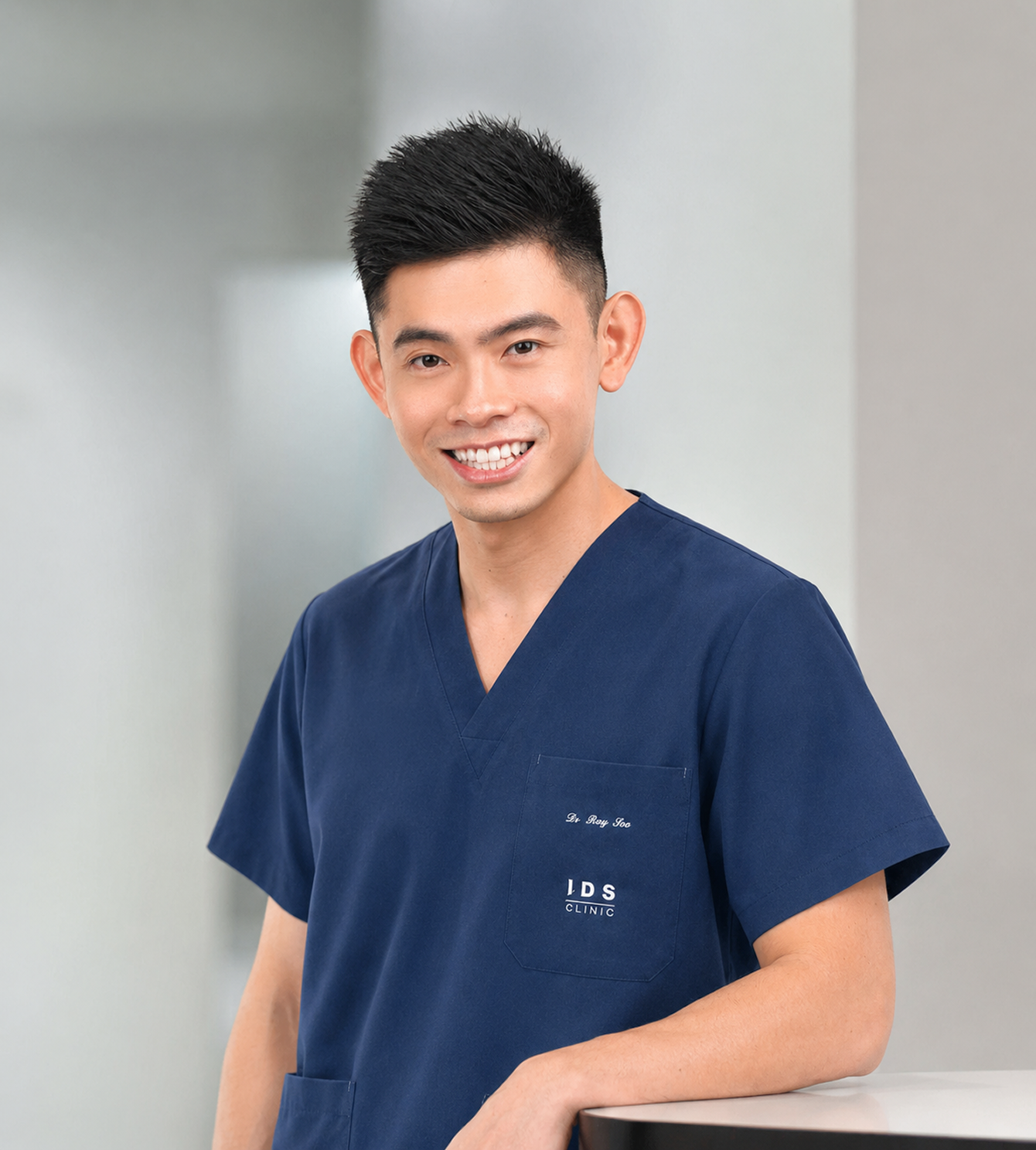
A doctor in navy scrubs with the IDS Clinic logo standing in a modern clinic setting.

Dr. Roy Soo

Special Interest

  • Acne
  • Acne Scarring
  • Injectable procedures
  • Facial rejuvenation
  • Skin tightening and contouring
  • Energy-based skin treatments

Dr. Roy Soo

Dr Roy Soo is an aesthetic physician with almost a decade of clinical experience and a special interest in acne, acne scarring, facial rejuvenation, and regenerative aesthetic treatments. Having personally experienced adult-onset acne, he understands the impact that skin concerns can have on confidence and wellbeing. Guided by a "less is more" philosophy, Dr Roy focuses on achieving natural-looking results through evidence-based treatments, patient education, and personalised care. He works closely with patients to develop treatment plans that support healthy skin while respecting individual features and aesthetic goals.

  • Bachelor of Medicine, Bachelor of Surgery (MBBS), NUS
  • Master of Public Health (MPH), NUS
  • Postgraduate Diploma in Clinical Dermatology (Distinction), QMUL

Dr Roy Soo graduated from the National University of Singapore with a Bachelor of Medicine and Bachelor of Surgery (MBBS) as well as a Master of Public Health (MPH). He is also an alumnus of the Queen Mary University of London, holding a Postgraduate Diploma in Clinical Dermatology with Distinction (PgDipDerm, Distinction). He has obtained full accreditation mandated by the Singapore Medical Council and Ministry of Health to perform medical aesthetics treatments. Having experienced adult onset acne, he has extensive experience living with and treating acne and its sequelae such as hyperpigmentation and scarring. His other special interests include regenerative treatments using energy-based devices as well as injectable biostimulators.   

With almost a decade of clinical experience as a medical doctor, Dr Roy approaches medical aesthetics through the lens of a physician and the hands of an artisan, respecting the science behind the skin while appreciating facial harmony with artistic judgement. Actively countering filler fatigue and trend toxicity, he is trusted by discerning patients for his carefully crafted combination treatments that are guided by the “less is more, elegance over excess” philosophy. Championing evidence-based treatments,   

Dr Roy focuses on empowering his patients through education and shared decision-making. His patients delight in honest and open discussions during consultations, while his calm and assuring demeanour provides comfort during treatments. Emphasising on “beauty beyond clinic”, with greater ownership of results by patients through lifestyle modifications and use of skincare at home, treatment outcomes are amplified and longer lasting. Fostering a partnership rooted in transparency and centred on the patient’s wellbeing, care for their skin and beauty continues long after they step out of the clinic.   

A proponent of complete wellness of the body, mind and spirit, Dr Roy supplements the intellectual stimulation at work with physical exertion in the gym after work. At home his responsibilities are toward his Doberman Pinscher, a faithful companion he adopted from an animal rescue shelter. When he is not in Singapore, he is almost definitely in the mountains snowboarding.  

Philosophy: Less is more. Subtle and gradual improvements leave the longest lasting impact. The best aesthetic outcomes are those that preserve authenticity while elevating confidence - look and feel good in your own skin!

Special Interest

  • Acne
  • Acne Scarring
  • Injectable procedures
  • Facial rejuvenation
  • Skin tightening and contouring
  • Energy-based skin treatments
Make An Enquiry
Contact icon used for IDS Clinic website footer section

We treat every problem in an efficacious way.

Step into the world of aesthetic solutions built upon medical science.

Where we integrate technology, artificial intelligence and complementary skincare to address the most common skin problems.

    2ed8cef16517e25e333b7a712f93e3d60145ce99

    Novena Specialist center

    Weekdays: 10am – 8pm
    Saturdays: 10am – 5pm
    Sundays & PH: Closed

    b3b2caf23385064f33aad5628a569ab7d9cfee72

    International Building

    Weekdays: 10am – 8pm
    Saturdays: 10am – 5pm
    Sundays & PH: Closed