Face

Understanding Fractional RF Skin Resurfacing in Singapore

Many individuals notice changes in their skin over time. Fine lines appear around the eyes. Acne scars may persist. Skin loses firmness. These concerns can affect how you feel about your appearance. You may have tried various skincare products. You are now considering additional treatment options.

Fractional RF skin resurfacing is a treatment option that may address multiple skin concerns. This treatment combines radiofrequency energy (electromagnetic waves that generate controlled heat) with fractional technology. It aims to stimulate your skin’s natural healing processes. Unlike some treatments that work only on the surface, fractional RF reaches deeper layers of the skin, where collagen is produced. Collagen is a protein that gives skin its structure and firmness.

In Singapore, fractional RF skin resurfacing is a commonly performed option for those seeking skin rejuvenation with manageable downtime. This guide will walk you through information about the treatment, how it works, and what to expect during recovery.

Book Appointment
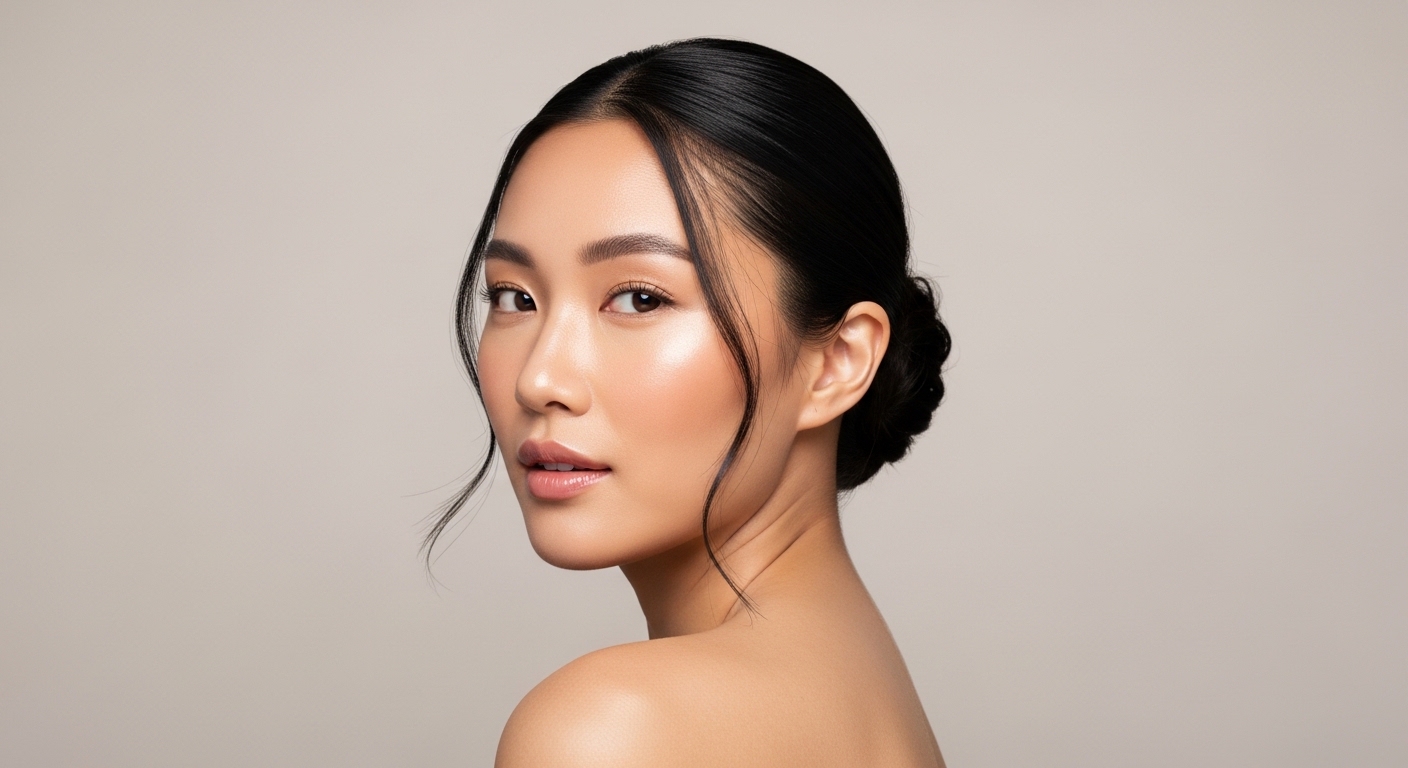
https://idsclinic.b-cdn.net/wp-content/uploads/2026/03/Whisk_87b797b78ef26a284064039f65f6d132dr.jpegUnderstanding Fractional RF Skin Resurfacing in Singapore

What is Fractional RF Skin Resurfacing?

Fractional RF skin resurfacing is a non-surgical aesthetic treatment. It uses radiofrequency energy (heat energy) delivered through tiny microneedles or pins to create controlled thermal zones in the skin. The term “fractional” refers to how the energy is delivered—in small, evenly spaced columns that treat a fraction of the skin at a time, whilst leaving surrounding tissue intact.

When the radiofrequency energy penetrates the skin, it generates heat in the deeper dermal layers (the layers beneath the surface). This controlled heating triggers the body’s natural wound healing response, stimulating the production of new collagen and elastin fibres (proteins that give skin its structure and elasticity). Over time, this process may lead to skin remodelling, with changes in texture, scarring appearance, and skin firmness.

The treatment is designed to address a range of skin concerns, including:

  • Acne scars
  • Enlarged pores
  • Fine lines and wrinkles
  • Uneven skin texture
  • Skin laxity (loose or sagging skin)

Because energy is delivered in fractions, healthy tissue between the treated zones may promote faster healing than treatments that affect the entire skin surface.

Fractional RF skin resurfacing can be performed on the face, neck, décolletage, and other body areas where skin improvement is desired. The depth of energy penetration can be adjusted based on the specific concern being treated and the area of the body, making it suitable for various skin types and conditions.

Who is a Suitable Candidate?

Potential Candidates

Fractional RF skin resurfacing may be considered for individuals with specific skin concerns. You may be a potential candidate if you have:

  • Mild to moderate acne scarring, including boxcar (broad, shallow depressions), rolling (wave-like undulations), or ice pick scars (deep, narrow pits)
  • Fine lines and wrinkles, particularly around the eyes, mouth, and forehead
  • Enlarged pores that affect skin texture and appearance
  • Uneven skin texture or roughness
  • Early signs of skin laxity (looseness) or loss of firmness
  • Stretch marks on the face or body
  • Sun-damaged skin with textural irregularities
  • Generally good health and realistic expectations about outcomes
  • Commitment to following pre- and post-treatment care instructions
  • Skin that has not responded adequately to topical treatments alone

Fractional RF may be suitable for various skin types, including darker skin tones that may carry higher risks with some laser treatments.

Contraindications

Certain conditions may make fractional RF skin resurfacing unsuitable or require special consideration:

  • Active skin infections, including bacterial, viral, or fungal infections in the treatment area
  • Active acne breakouts or inflammatory skin conditions like eczema (patches of dry, itchy, inflamed skin) or psoriasis (scaly, red skin patches)
  • History of keloid scarring (raised, overgrown scar tissue) or abnormal wound healing
  • Use of isotretinoin (a medication for severe acne) within the past several months
  • Pregnancy or breastfeeding
  • Pacemakers or other implanted electronic devices
  • Metal implants in the treatment area
  • Uncontrolled diabetes or immune system disorders
  • Recent sunburn or excessive sun exposure
  • History of skin cancer in the treatment area

A thorough consultation with a qualified aesthetic doctor is essential before undergoing fractional RF skin resurfacing. During this assessment, your medical history, current medications, and skin condition will be evaluated to determine if the treatment is appropriate for you and to develop a personalised treatment plan.

Treatment Techniques & Approaches

Microneedling RF (MRF)

Microneedling RF combines traditional microneedling with radiofrequency energy delivery. Fine, insulated needles penetrate the skin to precise depths. RF energy is released at the needle tips directly into the dermis (the deeper layer of skin beneath the surface). This approach allows energy to bypass the epidermis (the outer skin layer), reducing surface damage and making it suitable for various skin types.

The needle depth can be adjusted depending on the treatment area and concern. Shallower depths may work for fine lines and pore refinement. Deeper settings may address acne scars and skin laxity (loose or sagging skin). Common devices using this technology include those with gold-plated or silicone-coated needles to ensure precise energy delivery.

Fractional RF with Surface Ablation

Some fractional RF systems combine deeper RF energy delivery with mild surface ablation (removal of the outermost skin layer). This dual-action approach may address both superficial skin concerns like pigmentation and texture, whilst stimulating collagen remodelling in deeper layers. This technique may result in slightly longer downtime, but it may provide enhanced results for certain skin conditions in suitable candidates.

Bipolar vs Monopolar RF Delivery

Fractional RF devices use different methods of energy delivery. Bipolar systems deliver energy between two electrodes in close proximity, creating a more superficial treatment zone. Monopolar systems send energy from one electrode through the tissue to a grounding pad, allowing deeper penetration. Some modern devices combine both modalities for customised treatment at multiple skin depths.

Technology & Equipment Used

Fractional RF devices used in Singapore clinics feature various technological specifications. Key considerations include the number and arrangement of microneedles or pins, which typically vary per tip. The devices allow practitioners to adjust energy levels, pulse duration, and penetration depth to customise treatment for different concerns and skin types.

Treatment tips come in various configurations—some with insulated needles that protect the epidermis, others with non-insulated needles for combined superficial and deep treatment. The choice of device and settings depends on your specific skin concerns and treatment goals.

Wondering which approach might be suitable for you? An aesthetic doctor can evaluate your specific needs and recommend a suitable technique.

Book Consultation

The Treatment Process

Pre-Treatment Preparation

Proper preparation may help support your fractional RF skin resurfacing outcomes and minimise potential complications. In the weeks before your treatment:

Your healthcare professional will conduct a thorough skin assessment during your consultation, examining your skin type, the severity of your concerns, and any factors that might affect treatment or healing. Your aesthetic doctor may take photographs for before-and-after comparison.

You should avoid sun exposure and tanning for at least two weeks before treatment. Apply broad-spectrum sunscreen daily to protect your skin. Discontinue use of retinoids (vitamin A derivatives that promote skin cell turnover), alpha hydroxy acids (exfoliants that remove dead skin cells), and other potentially irritating skincare products for several days before your appointment.

If you have a history of cold sores, your aesthetic doctor may prescribe antiviral medication to help prevent an outbreak triggered by the treatment. Inform your healthcare professional about all medications and supplements you take, as some may need to be paused.

On the day of treatment, arrive with clean skin free of makeup, sunscreen, or skincare products. Avoid caffeine and alcohol, which can increase skin sensitivity. Wear comfortable clothing and plan for some redness afterwards.

During The Procedure

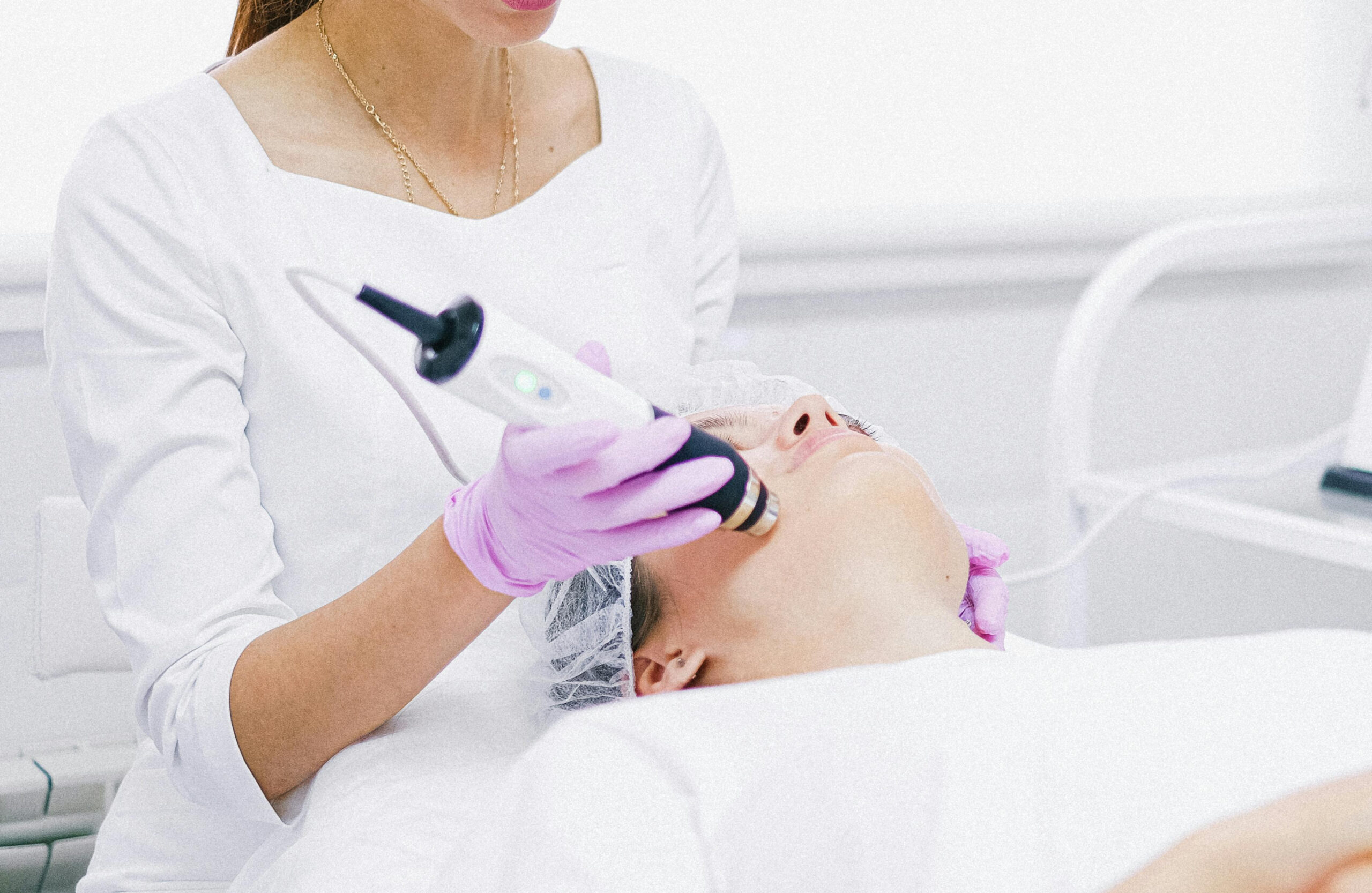
When you arrive for your fractional RF skin resurfacing session, a practitioner will thoroughly cleanse the treatment area. They will apply a topical numbing cream and leave it for a period of time to help support your comfort during the procedure.

Once the skin is adequately numbed, the practitioner removes the numbing cream and cleanses the skin again. Your practitioner will select the appropriate device settings based on your treatment plan, adjusting needle depth and energy levels for different areas of your face.

The practitioner applies the treatment handpiece to the skin in a systematic pattern, with each pulse delivering the RF energy through the microneedles. You may feel sensations of warmth, mild prickling, or pressure during treatment. Many patients find this tolerable with the numbing cream in place.

The procedure typically takes a moderate amount of time, depending on the size of the treatment area. Your practitioner may make multiple passes over areas requiring more intensive treatment, such as acne scars. Throughout the procedure, they may use cooling methods to enhance comfort.

Immediate Post-Treatment

Immediately after fractional RF skin resurfacing, your skin will appear red and feel warm, similar to a moderate sunburn. Some swelling is common, particularly around the eyes and cheeks. Small pinpoint bleeding or oozing may occur in areas treated more aggressively.

Your practitioner may apply a soothing serum or mask immediately after treatment to calm the skin and begin the healing process. You will receive detailed aftercare instructions and products to use at home.

Patients can return home immediately after the procedure. The initial redness and warmth typically subside significantly within a few hours, though individual recovery varies. Some pinkness may persist for a few days. Many patients can apply mineral makeup after a day or two if needed to cover residual redness, though this depends on individual healing.

Recovery & Aftercare

First 24-48 Hours

The first two days following fractional RF skin resurfacing are important for proper healing. Your skin will likely feel tight, warm, and sensitive. Mild swelling is common and typically peaks on the second day before gradually subsiding.

Apply the prescribed post-treatment products as directed by your healthcare professional. These typically include gentle cleansers, hydrating serums, and healing balms. Avoid touching your face unnecessarily. Ensure your hands are clean when applying products.

Sleep with your head slightly elevated to help reduce swelling. Apply cool compresses if needed for comfort, but avoid ice directly on the skin. Stay well hydrated by drinking plenty of water.

Do not apply makeup, sunscreen, or any products not approved by your aesthetic doctor during this initial period. Avoid strenuous exercise, hot showers, saunas, and swimming pools. Watch for signs of infection, such as increasing pain, pus, or fever. Contact your clinic immediately if these occur.

First Week

By days 3-5, the initial redness will have significantly diminished. You may notice your skin feeling rough or experiencing mild flaking as the treated tissue begins to shed. This is a normal part of the healing process—do not pick at or scrub the skin.

Continue using gentle, hydrating skincare products. You may gradually reintroduce your regular cleanser and moisturiser if they are gentle and fragrance-free. Begin applying a broad-spectrum SPF 30+ sunscreen once any open areas have healed, typically by day 3.

Many patients can return to work and normal activities within a few days, though individual recovery timelines vary. Some redness may persist, but may be concealable with mineral makeup.

A follow-up appointment may be scheduled during this period to assess your healing progress. Your aesthetic doctor will advise when you can resume exercise, swimming, and other activities based on your recovery.

Long-term Recovery

Full healing and outcomes from fractional RF skin resurfacing develop gradually over several months. Whilst initial changes in skin texture may be visible within several weeks, the collagen remodelling process continues for several months after treatment as your body produces new collagen fibres.

Patients may require a series of several treatment sessions spaced several weeks apart. Your healthcare professional will recommend a treatment plan tailored to your specific concerns and goals.

To help maintain your outcomes, establish a consistent skincare routine including daily sunscreen use, gentle exfoliation, and products that support collagen health, such as vitamin C serums and retinoids (once fully healed). Avoid excessive sun exposure. Consider annual maintenance treatments if desired.

Consult your healthcare professional to discuss your individual recovery needs and expected timeline based on your specific treatment plan.

Schedule Consultation
pexels shvetsa 4586741 Edited scaled pexels shvetsa 4586741 Edited scaled

Benefits of Fractional RF Skin Resurfacing

Fractional RF skin resurfacing offers numerous advantages that make it a commonly performed option for skin rejuvenation in Singapore:

  • Changes in skin texture: May help reduce roughness, enlarged pores, and uneven skin surface for smoother-looking skin
  • Acne scar appearance reduction: May help diminish the appearance of boxcar, rolling, and some ice pick scars through collagen remodelling (the natural process where your body rebuilds the structural protein that keeps skin firm and smooth)
  • Fine line and wrinkle changes: Designed to stimulate collagen production that may help soften facial lines and support skin elasticity in suitable candidates
  • Support for skin firmness: RF energy (radiofrequency energy, which uses controlled heat) may help tighten existing collagen fibres whilst promoting new collagen formation
  • Appropriate for various skin types: Unlike some laser treatments, fractional RF carries a lower risk of post-inflammatory hyperpigmentation, making it a suitable option for Asian and darker skin tones
  • Minimal downtime: Many patients can resume normal activities within a few days, making it practical for busy lifestyles
  • Customisable treatment: Adjustable settings allow your healthcare provider to tailor treatment to your specific concerns and skin type
  • Gradual development: Outcomes develop progressively over time as collagen remodelling occurs, with individual variation in response
  • Combination potential: May be performed alongside other treatments for comprehensive skin rejuvenation when appropriately planned
  • Duration of outcomes: With proper skincare maintenance and individual factors, changes may be sustained for extended periods

Risks & Potential Complications

Common Side Effects

Like any aesthetic procedure, fractional RF skin resurfacing comes with expected side effects that are typically temporary and resolve on their own:

Redness and warmth in the treated area are common and usually subside within a few days. Swelling, particularly around the eyes, frequently occurs and typically peaks early before resolving. Mild tenderness or sensitivity may persist for several days.

Small pinpoint scabs or crusting may form where the microneedles penetrate the skin. You should allow these to shed naturally, picking at them can cause scarring or infection. Temporary skin dryness and flaking are normal as the skin heals and renews.

Temporary darkening of treated areas can occur, particularly in those with darker skin tones. This usually resolves within a few weeks with appropriate sun protection.

Rare Complications

Whilst uncommon, more serious complications can occur:

  • Infection is rare when appropriate pre- and post-treatment protocols are followed, but can occur if you don’t adhere to aftercare instructions. Signs of infection include increasing pain, spreading redness, pus (a thick yellowish or greenish fluid), and fever.
  • Prolonged redness lasting beyond a week may occur in some individuals, particularly those with sensitive skin or rosacea (a condition causing facial redness and sensitivity).
  • Scarring is rare but possible, particularly if you pick at the skin during healing or if infection occurs.
  • Burns can result from inappropriate technique or device settings, highlighting the importance of choosing a qualified practitioner.
  • Herpes simplex reactivation (the virus that causes cold sores becoming active again) can occur in those with a history of cold sores if you don’t take preventive antiviral medication.

These risks can be minimised when treatment is performed using appropriate settings and when you follow all aftercare instructions carefully.

Cost Considerations

The cost of fractional RF skin resurfacing in Singapore varies based on several factors:

  • Treatment area size: Full face treatments cost more than targeted areas like the cheeks or around the eyes
  • Number of sessions: Patients may require several sessions, affecting total treatment investment
  • Device and technology used: Different fractional RF systems (machines that use radiofrequency energy to treat skin) may have varying price points
  • Treatment intensity: More intensive treatments for deeper scars may require additional time and resources
  • Clinic location and practitioner experience: Costs vary between clinics based on overheads and expertise
  • Additional treatments: Combination therapies or add-on treatments affect overall pricing

A typical treatment session includes the procedure itself, numbing cream application, and immediate post-treatment care. Some clinics offer package pricing for multiple sessions.

During your consultation, your aesthetic doctor can provide a personalised quote based on your specific treatment plan and individual needs. Focus on the overall value and expected outcomes rather than cost alone when making your decision.

Frequently Asked Questions

How many fractional RF skin resurfacing sessions might I need?

Many patients may see changes with several treatment sessions spaced 4-6 weeks apart, though individual responses vary. The exact number depends on your specific skin concerns and goals. Your healthcare professional will recommend a treatment plan during your consultation based on your individual needs and can adjust it based on your progress. Those with mild texture irregularities or early signs of ageing may see satisfactory changes with fewer sessions. More severe acne scarring may benefit from additional treatments.

Is fractional RF skin resurfacing painful?

Numbing cream is applied to your skin before the procedure to support comfort. Patients describe the sensation as mild warmth, light prickling, or pressure rather than pain. Some areas of the face may be more sensitive than others. The treatment is generally well-tolerated, and any discomfort is temporary. Your practitioner can adjust settings or provide additional numbing if needed.

How long do the outcomes of fractional RF skin resurfacing last?

Outcomes from fractional RF skin resurfacing may be long-lasting in many patients, particularly for scar appearance changes. The collagen remodelling (the rebuilding and restructuring of protein fibres that give skin its firmness) that occurs is a structural change in the skin. The skin continues to age naturally. Maintenance treatments periodically may help sustain changes. A good skincare routine with daily sunscreen use may help extend the duration of your outcomes.

Can fractional RF skin resurfacing be combined with other treatments?

Yes, fractional RF is often combined with other aesthetic treatments for comprehensive skin rejuvenation. Common combinations include botulinum toxin for dynamic wrinkles, dermal fillers for volume loss, chemical peels for surface texture, and laser treatments for pigmentation. Treatments should be appropriately spaced to allow healing. Your healthcare professional can design a combination protocol suited to your needs.

When might I see outcomes from fractional RF skin resurfacing?

Initial changes in skin texture and radiance may be noticeable within a few weeks as the skin heals. Significant outcomes develop over several months as collagen remodelling continues. Changes in acne scars may become more apparent with each treatment session. Patience is important—the gradual nature of the changes means outcomes look natural.

Is fractional RF skin resurfacing safe for Asian skin?

Fractional RF skin resurfacing may be considered an appropriate option for Asian and darker skin tones. The radiofrequency energy targets the deeper layer of skin (the dermis) rather than melanin (the pigment that gives skin its colour). The risk of post-inflammatory hyperpigmentation is generally lower than with some laser treatments. Proper technique and conservative settings are still important. Choosing an experienced practitioner familiar with treating Asian skin further minimises risks.

What should I avoid after fractional RF skin resurfacing?

In the days following treatment, avoid sun exposure and apply sunscreen diligently once healed. Skip makeup for the first day or two. Avoid active skincare ingredients (such as retinoids and acids) for at least one week. Refrain from strenuous exercise, hot showers, saunas, and swimming pools for a few days. Do not pick at any scabs or flaking skin. Your clinic will provide detailed aftercare instructions specific to your treatment.

How is fractional RF different from fractional laser treatment?

Both fractional RF and fractional laser are designed to create controlled micro-injuries (tiny, precise points of treatment) to stimulate collagen production, but use different energy sources. Lasers use light energy that can be absorbed by melanin in the skin, increasing the risk of pigmentation changes in darker skin types. RF uses electrical energy that heats tissue regardless of skin colour, making it a suitable option for various skin types including darker tones. Fractional RF with microneedles also delivers energy directly to the dermis (the deeper layer of skin) whilst lasers treat from the surface down. Your healthcare professional can advise which technology may suit your skin type and concerns.

Conclusion

Fractional RF skin resurfacing offers an option for those seeking to address acne scars, fine lines, enlarged pores, and skin texture concerns. By stimulating your skin’s natural collagen production (a protein that provides structure and firmness to your skin), this treatment is designed to provide gradual changes that develop over time in suitable candidates.

The versatility of fractional RF makes it suitable for various skin types, including Asian skin. Its customisable settings allow treatment to be tailored to your specific needs. With proper preparation and aftercare, many patients experience minimal downtime and can return to their daily routines within a few days, though individual recovery varies.

Whether you’re concerned about acne scars or noticing the first signs of skin ageing, fractional RF skin resurfacing may be an option to consider for smoother, firmer skin. The key to optimal outcomes lies in choosing a qualified aesthetic doctor who can assess your concerns and develop a personalised treatment plan based on your individual needs.

Ready to Take the Next Step? If you're considering fractional RF skin resurfacing, speak with a qualified aesthetic doctor to understand if it may be a suitable choice for your skin concerns.

Book Your Consultation Today

Our Doctors

VIEW ALLRight arrow icon used for website navigation
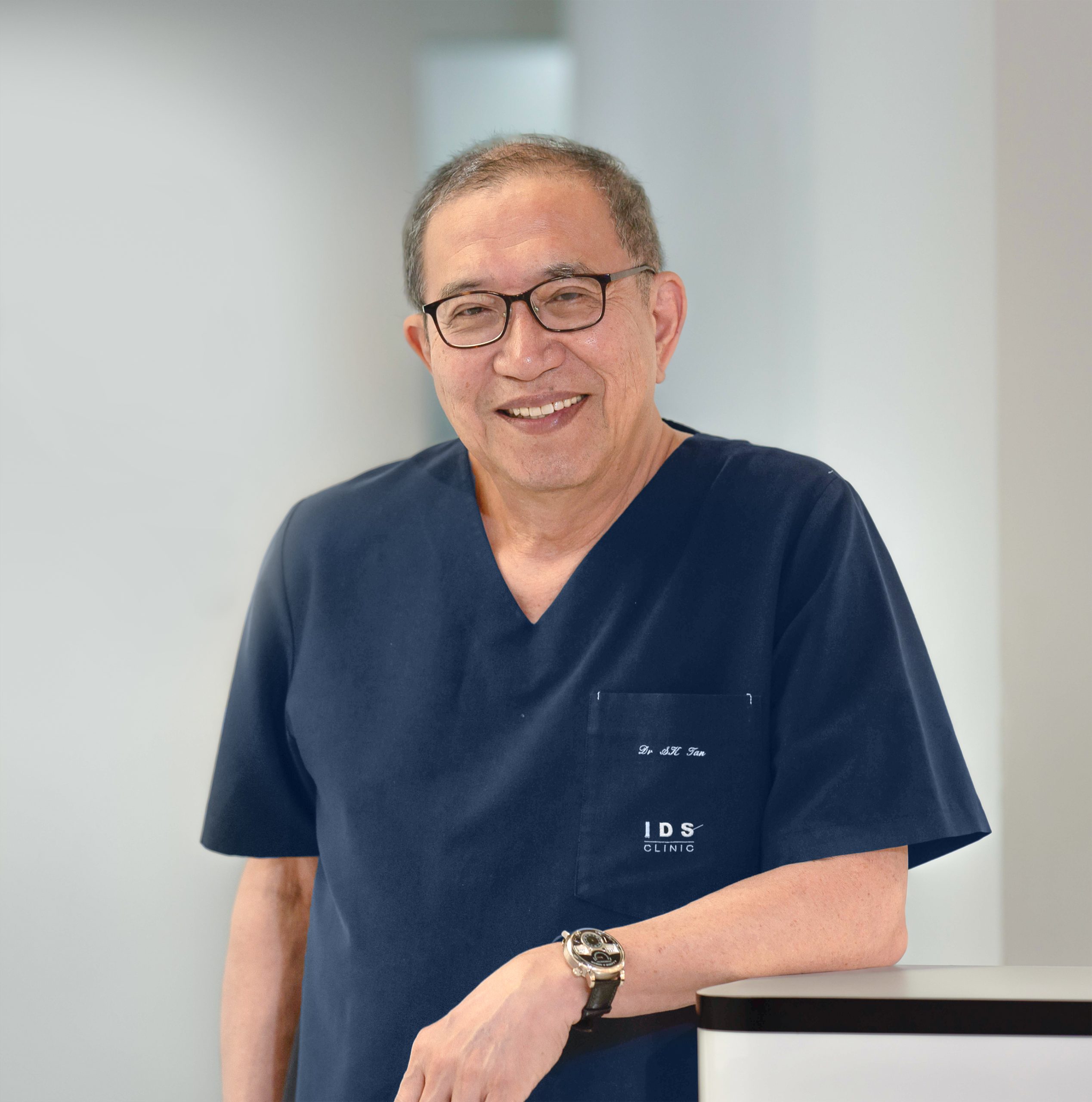
Clinic portrait of Dr SK Tan in medical attire

Dr. SK Tan

Special Interest

  • Hyper-pigmentation
  • Anti-Aging
  • Acne
  • Acne Scarring
  • Ingredient Studies

Dr. SK Tan

Dr Tan graduated in 1971, with a Bachelors of Medicine (MB) and a Bachelors of Surgery (BS) from the University of Malaya. Dr Tan’s interest in dermatology led him to train at the St John’s Institute of Dermatology in London in the 1970s and he has since been focused in the field of aesthetic dermatology.

  • MBBS
  • Diploma in Venereology (University of London)
  • Diploma in Dermatology (University of Wales)
  • Diploma in Cosmetic Science (UK)
  • Master of Business Administration
  • Fellow of the American Academy of Dermatology (FAAD)

He is a member of numerous medical associations, including the American Academy of Dermatology, the International Society of Cosmetic Laser Surgeons, and the International Academy of Cosmetic Dermatology. Dr Tan was one of the first local doctors to be certified by the American Board of Anti-Aging Medicine. His personal interest in pigmentary disorders and acne has also led him to become an International Member of the Pigmentary Disorders Society of India, the Asian Society of Pigment Cell Research, and the American Acne and Rosacea Society (AARS).

Dr Tan’s work has led him to be invited to speak at numerous international conferences in the US, Europe and throughout the Asia Pacific region. He is a co-editor of “Handbook of Cosmetic Microbiology”, a reference book published by Marcel Dekker, and his papers have been published in the Journal of Cosmetic Dermatology, International Journal of Dermatology, Journal of the European Academy of Dermatology and Venereology, Journal of Cosmetic and Laser Therapy, and Expert Review of Dermatology, and has contributed a chapter in the reference book ‘Pigmentary Disorders: A Comprehensive Compendium’.

Special Interest

  • Hyper-pigmentation
  • Anti-Aging
  • Acne
  • Acne Scarring
  • Ingredient Studies
Make An Enquiry
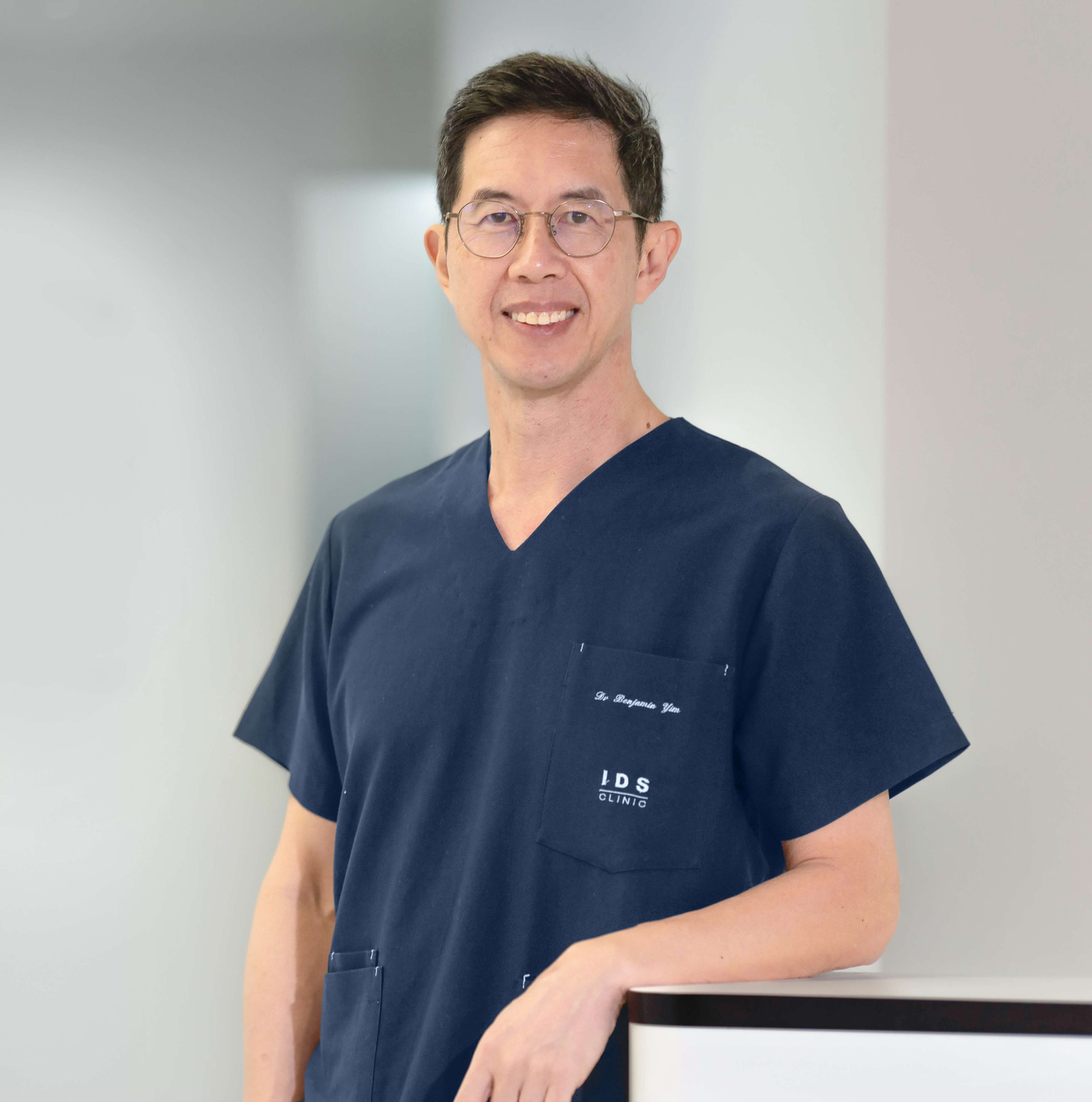
Portrait of Dr Ben Yim at IDS Clinic Singapore

Dr. Ben Yim

Special Interest

  • Anti-aging
  • Hyper-pigmentation
  • Body-Contouring
  • Fat Reduction

Dr. Ben Yim

Dr Yim graduated from Monash University in Australia with a Bachelor of Medicine and Bachelor of Surgery degree. He has also earned a Master of Science in Clinical Dermatology from the University of London and more recently in Non-Surgical Facial Aesthetics from Anglia Ruskin University in UK, as well as a Graduate Diploma in Family Physicians in National University of Singapore.

  • M.B.B.S (Monash University) 1994
  • Diploma Practical Dermatology (University of Wales College of Medicine) 1998
  • MSc. Clinical Dermatology (University of London) 1999
  • MBA (University of Chicago) 2011
  • MSc Non-Surgical Facial Aesthetics (Anglia Ruskin) 2018
  • GDFM (NUS) 2019

Dr Yim has been practicing aesthetic medicine in private practice since 2000. The former director of Clinical Aesthetics & Laser Centre has been offering a wide armamentarium of aesthetic services including Botulinum Toxins, fillers for facial enhancement, skin tightening, fractional lasers, threadlifts, and non-invasive body contouring treatments.

As a trainer for Allergan Medical Institute in Singapore, Dr Yim has been invited to speak and train for numerous aesthetic workshops and conferences including “The Advanced Facial Anatomy and Injectables Workshop”, Botulinum Toxins and Filler injectable training workshops organized by Allergan, “The Singapore Disease Conference 2008” and “1st International Conference on Healthcare Transformation 2008” and Forum for Professional Self-regulation jointly organized by the SingHealth Centre for Health Services Research and the NUS Medical Society, to name a few.

Dr Yim comes from a family of four doctors, all in private practice in family medicine. Despite the move into full-time aesthetic medicine, Dr Yim has also taken an interest in family medicine pursuing a Master degree in Medicine in Family Medicine in NUS in which he hopes to complete in 2020.

Outside of his profession, Dr Yim also actively participates in social projects such as tattoo laser removal for prison inmates and teenage delinquents. For leisure, he enjoys golf, reading, playing the piano and running – he has participated in several half-marathons.

Special Interest

  • Anti-aging
  • Hyper-pigmentation
  • Body-Contouring
  • Fat Reduction
Make An Enquiry
Portrait of Dr Liz Lum at IDS Clinic Singapore

Dr. Liz Lum YX

Special Interest

  • Acne
  • Acne Scarring
  • Fillers
  • Neurotoxin Injection - Botulinum Toxins
  • Face Lifting
  • Facial Slimming and Contouring

Dr. Liz Lum YX

Dr Liz Lum YX graduated from Trinity College in Dublin with a Bachelor of Medicine and Bachelor of Surgery degree. She has also earned a graduate diploma in aesthetic medicine with the American Academy of Aesthetic Medicine (AAAM). Apart from these, Dr Lum has also attained certification by the Ministry of Health accredited bodies under the Singapore Medical Council’s Aesthetics Dermatology Education Group for various aesthetics procedures. Before joining IDS, Dr Liz Lum YX was a surgical trainee with the hand surgery department in SGH.

  • MBBCH BAO (Trinity College Dublin)
  • Diploma in Aesthetic Medicine, American Academy of Aesthetic Medicine
  • Accredited by the Aesthetic Practice Oversight Committee (Singapore Medical Council) for Certificates of Competence in Aesthetic Procedures
  • Diploma in Cosmetic Science (UK)

Jean Cocteau once said, “If there is a defect in the soul, it cannot be corrected on the face; but if there is a defect on the face and one corrects it, it can correct a soul.” For this reason, Dr Liz Lum YX has a special interest in acne treatment that dates back to times when she had to deal with her own acne problems and breakouts. This drove her to identify the need for innovative products and treatments to treat acne problems. She strongly believes that many acne prone patients will benefit from a combination of innovative dermatological products, lasers and medications.

Dr Liz Lum YX’s other interests include injectables such as botulinum toxins, fillers and laser treatments for pigmentary disorders. Outside of her profession, she enjoys travelling and spending quality time with her family, friends and loved ones over good meals, movies, and a cup of coffee.

Special Interest

  • Acne
  • Acne Scarring
  • Fillers
  • Neurotoxin Injection - Botulinum Toxins
  • Face Lifting
  • Facial Slimming and Contouring
Make An Enquiry
Portrait of Dr Michelle at IDS Clinic Singapore

Dr. Michelle Wong

Special Interest

  • Acne
  • Acne Scarring
  • Focused Ultrasound Lifting
  • Skin Brightening
  • Cryo based Treatment

Dr. Michelle Wong

Dr Michelle Wong graduated from The University of Melbourne, Australia with a Bachelors of Medicine, Bachelors of Surgery and Bachelors of Medical Science. She obtained her post-graduate Diploma in Clinical Dermatology with Distinction from the Queen Mary University of London, and holds a Diploma in Aesthetic Medicine with the American Academy of Aesthetic Medicine (AAAM).

  • MBBS from The University of Melbourne, Australia
  • Diploma in Clinical Dermatology from Queen Mary University of London
  • Diploma in Aesthetics Medicine from American Academy of Aesthetic Medicine
  • Diploma in Cosmetic Science (UK)

In aesthetics, Dr Wong believes she has discovered her ikigai – the intersection of what she is both good at and loves doing. Her preferred tools of the trade are injectables such as Botulinum Toxins & fillers, which she wields with finesse and intuition - often achieving what her patients desire but cannot express through words. Out of passion and interest, she regularly attends conferences and workshops, eager to learn about the latest treatments and techniques to further hone her craft.

Combining the science of medicine with the art of beauty, Dr Wong provides an honest consult to help her patients achieve their skincare and beauty goals. She believes in understated elegance – a focus on a less-is-more approach - and works to enhance her patients’ natural features whilst instilling self-confidence. Her reassuring and gentle approach puts patients at ease allowing her to achieve maximum results through safe and effective procedures.

In her free time, Dr Wong enjoys taking long walks with her dog at the park. Her family praises her inner domestic goddess that can whip up an impressive variety of home-cooked meals. She is also active in church medical missions and believes in contributing back to society through her God-given gifts and talents.

Special Interest

  • Acne
  • Acne Scarring
  • Focused Ultrasound Lifting
  • Skin Brightening
  • Cryo based Treatment
Make An Enquiry
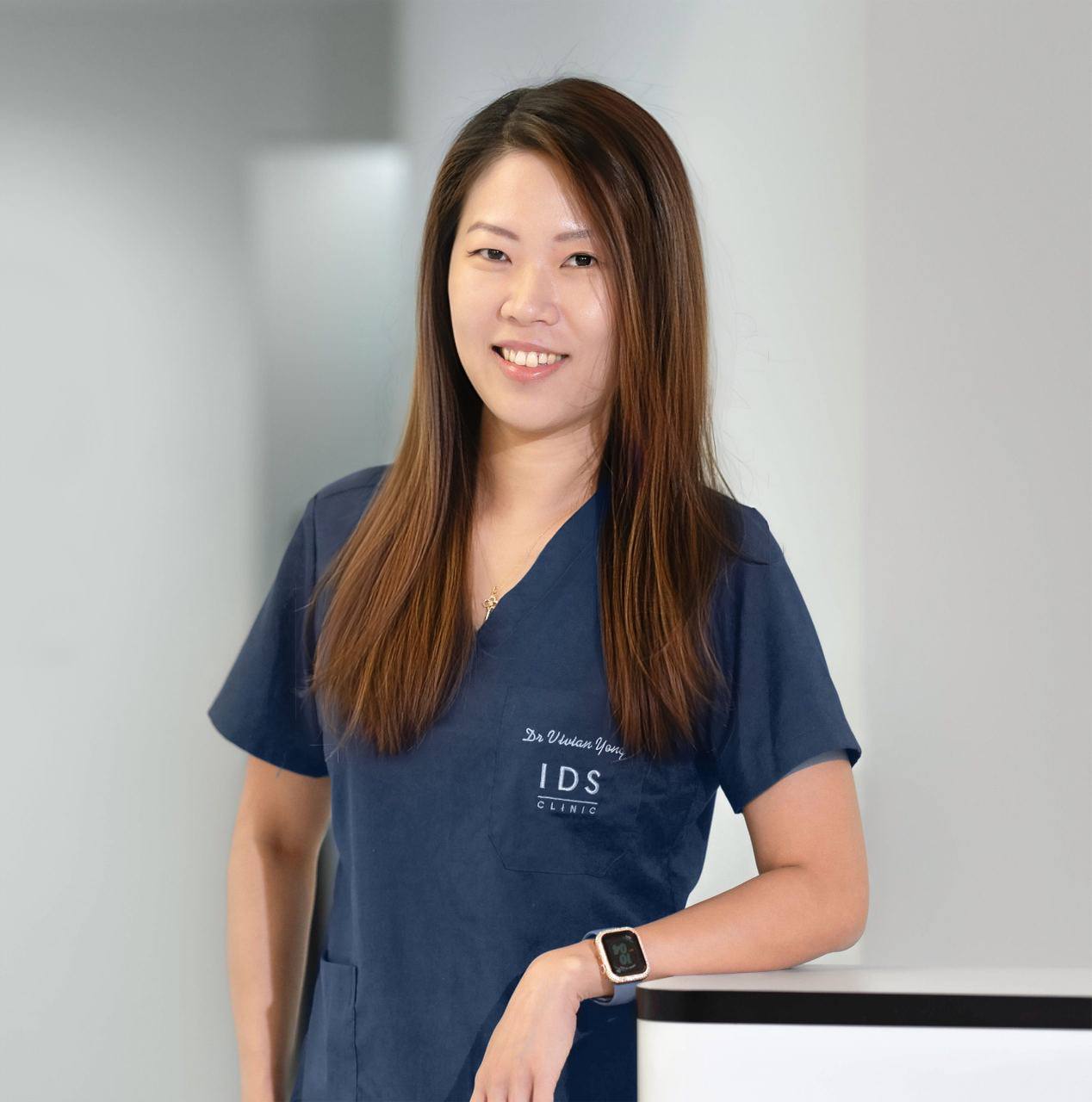
Medical professional portrait taken in clinic environment

Dr. Vivian Yong

Special Interest

  • Acne
  • Acne Scarring
  • Fillers
  • Neurotoxin Injection - Botulinum Toxins
  • Face Lifting
  • Facial Enhancement

Dr. Vivian Yong

Dr Vivian Yong graduated from National University of Singapore in 2006, and has an experience of more than 10 years in Aesthetics. She has also accumulated extensive surgical skills and experience from various rotations in general surgery, ophthalmology, and ENT.

  • MBBS
  • GDFM

Dr Vivian has always had a natural inclination towards science subjects and this led her into medicine. During her medical graduate days, she developed a keen interest in Aesthetics and Skincare, and she believes that Aesthetics is one area that allows her to help a patient achieve their ideal artistic expression based on science. While Dr Vivian is always keen to accommodate her patients’ needs, she ensures that their welfare remains the utmost priority. This is why Dr Vivian is loved by her patients for always being meticulous and attentive to details.

Dr Vivian’s eye for beauty goes beyond aesthetics. Outside the clinic, Dr Vivian loves to spend her time in leather crafting and jewelry making, transforming basics into beauty. She also loves spending her quiet time exercising in the gym or chilling at home with her loved one.

Special Interest

  • Acne
  • Acne Scarring
  • Fillers
  • Neurotoxin Injection - Botulinum Toxins
  • Face Lifting
  • Facial Enhancement
Make An Enquiry
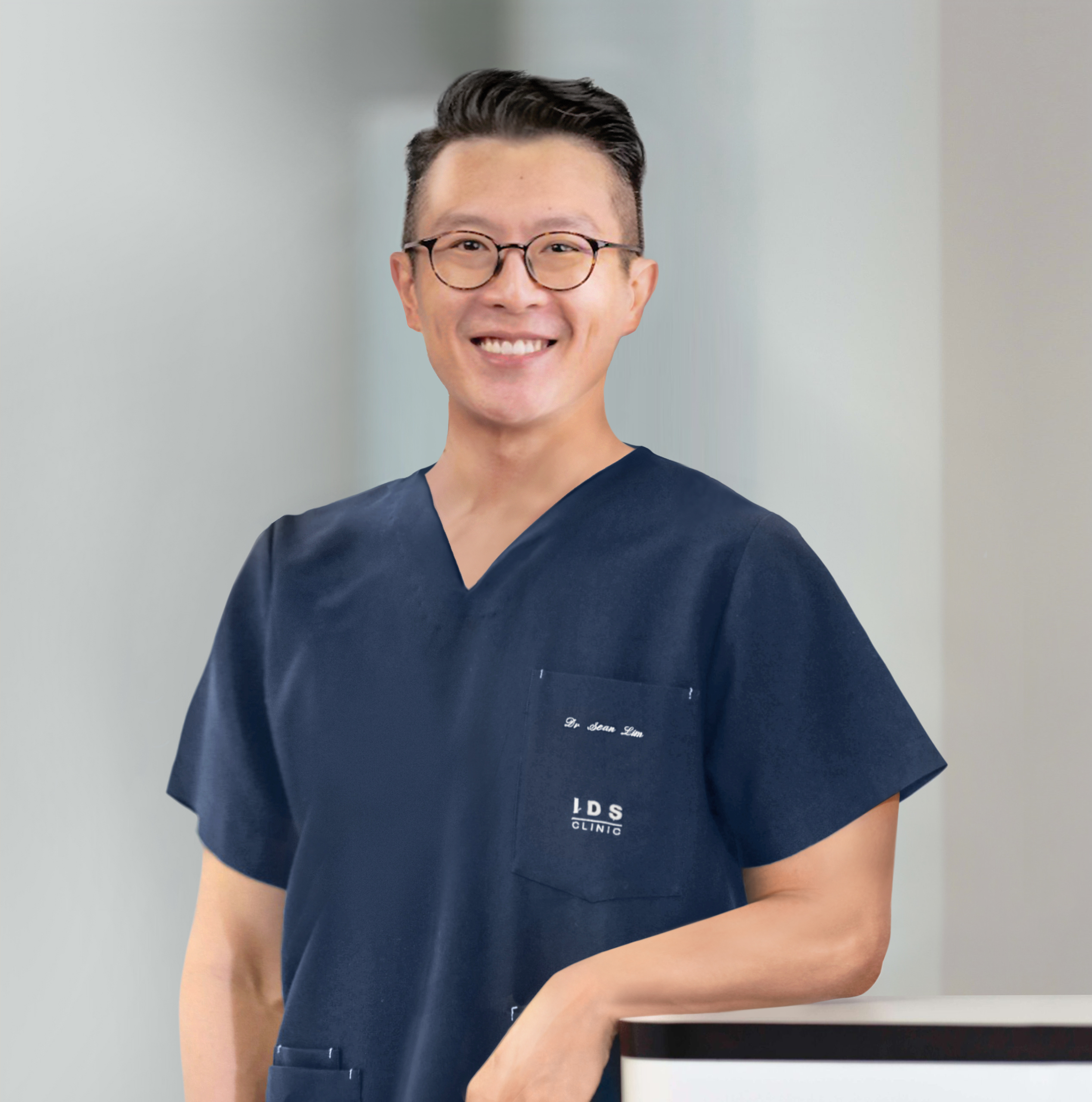
Portrait of Dr Sean Lim at IDS Clinic Singapore

Dr. Sean Lim

Special Interest

  • Acne
  • Acne Scarring
  • Fillers
  • Neurotoxin Injection - Botulinum Toxins
  • Face Lifting
  • Facial Enhancement

Dr. Sean Lim

Dr Sean is a dedicated medical professional with a diverse background in procedural disciplines and holistic care. He graduated with an MBBS degree from the National University of Singapore, earning recognition on the Dean's List for his exemplary performance in his final year Professional Examination.

  • MBBS (Singapore)
  • Certified Personal Trainer

Dr Sean is a dedicated medical professional with a diverse background in procedural disciplines and holistic care. He graduated with an MBBS degree from the National University of Singapore, earning recognition on the Dean's List for his exemplary performance in his final year Professional Examination. Fully registered with the Singapore Medical Council (SMC), Dr Sean is also certified to perform aesthetic procedures by the Aesthetic Dermatology Educational Group (ADEG). Beyond his clinical practice, Dr Sean actively engages in community service and leadership endeavours. He has contributed his medical expertise to humanitarian missions, including Naamjai Medical Missions trips to Thailand and a collaborative effort with plastic surgeons from NUH at Yangon's Defense Services General Hospital (DSGH).

Dr Sean's commitment to excellence extends beyond the medical field. As a former Singapore national athlete in pole vaulting, he has represented Singapore in numerous international competitions, earning accolades and setting records. Dr Sean’s passion for health and fitness is evident in his certification as a personal trainer and his dedication to maintaining an active lifestyle.

A proud new father, Dr Sean cherishes quality time with his family outside of work commitments, demonstrating a balanced approach to life and well-being. His belief in delivering quality care with a personal touch reflects his ethos as a compassionate healthcare provider.

Special Interest

  • Acne
  • Acne Scarring
  • Fillers
  • Neurotoxin Injection - Botulinum Toxins
  • Face Lifting
  • Facial Enhancement
Make An Enquiry
IDS DrFoo scaled

Dr. Denise Foo

Special Interest

  • Non-surgical face lift
  • Acne
  • Acne Scarring
  • Double Chin and Jawline Sculpting

Dr. Denise Foo

Dr Denise’s clinical approach is centred on safety, effectiveness, and natural-looking outcomes. She focuses on longevity and prevention, using gradual, evidence-based treatments to slow the ageing process. She views aesthetic medicine as part of a long-term strategy, where small, well-timed interventions help preserve facial balance and skin quality, potentially reducing the need for more invasive procedures later. Her approach emphasises restraint, consistency, and long-term planning. For patients seeking more visible change, such as those with depressed acne scars, she uses targeted treatments to achieve meaningful improvements in skin texture and quality.

  • Doctor of Medicine, UNSW

Dr Denise places strong emphasis on patient education and informed decision-making, particularly in an industry where misinformation is common. She ensures patients understand the benefits and risks of treatments, so they can make clear, deliberate choices aligned with their goals. She believes in lifelong learning and regularly stays up to date with the latest advancements and technologies to provide her patients with the best possible care. This allows Dr Foo to offer gold-standard solutions tailored to each patient's unique needs.  

Above all, Dr Denise values the trust her patients place in her and strives to provide care with respect, integrity, and attention to detail.

Special Interest

  • Non-surgical face lift
  • Acne
  • Acne Scarring
  • Double Chin and Jawline Sculpting
Make An Enquiry
Contact icon used for IDS Clinic website footer section

We treat every problem in an efficacious way.

Step into the world of aesthetic solutions built upon medical science.

Where we integrate technology, artificial intelligence and complementary skincare to address the most common skin problems.

    2ed8cef16517e25e333b7a712f93e3d60145ce99

    Novena Specialist center

    Weekdays: 10am – 8pm
    Saturdays: 10am – 5pm
    Sundays & PH: Closed

    b3b2caf23385064f33aad5628a569ab7d9cfee72

    International Building

    Weekdays: 10am – 8pm
    Saturdays: 10am – 5pm
    Sundays & PH: Closed