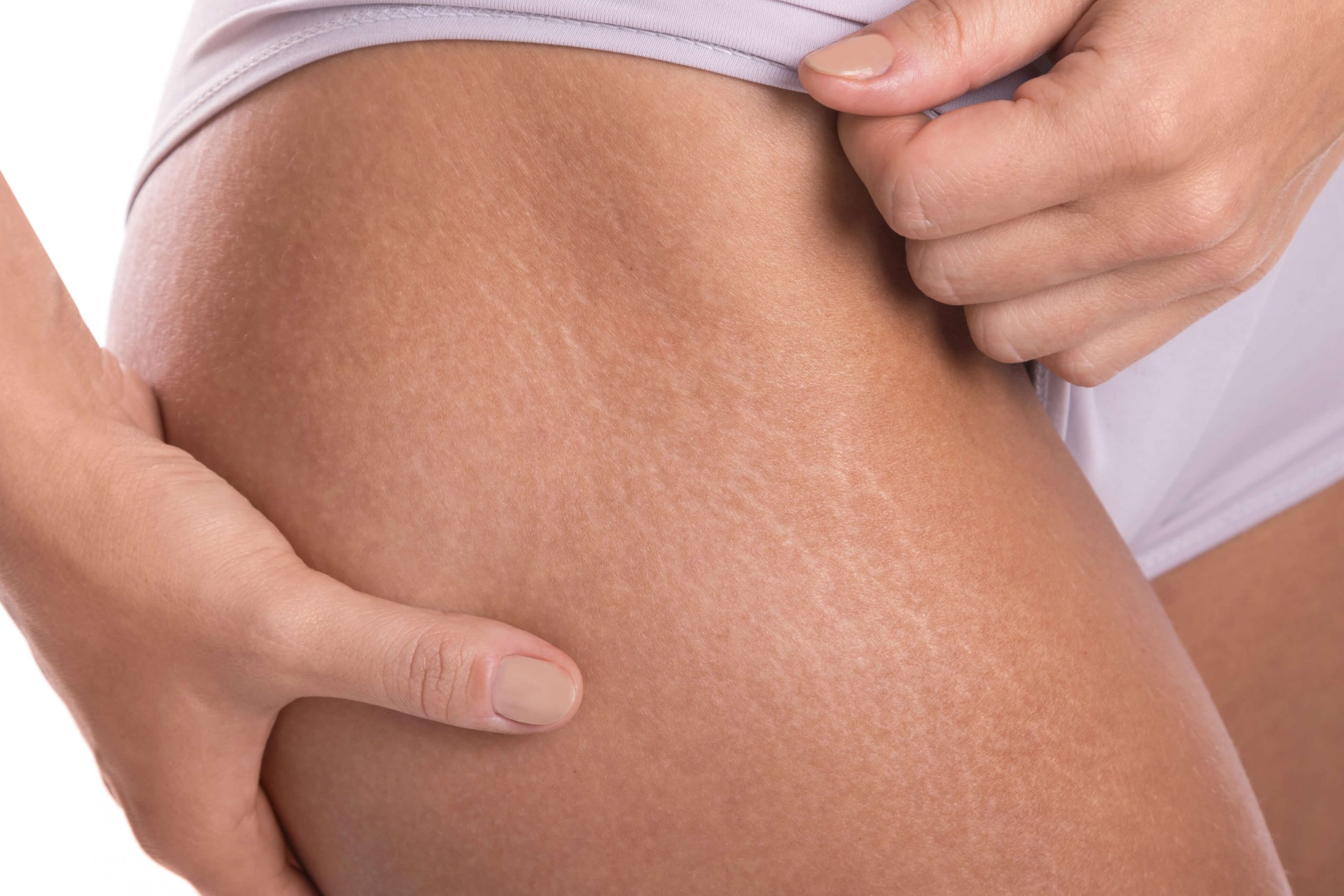
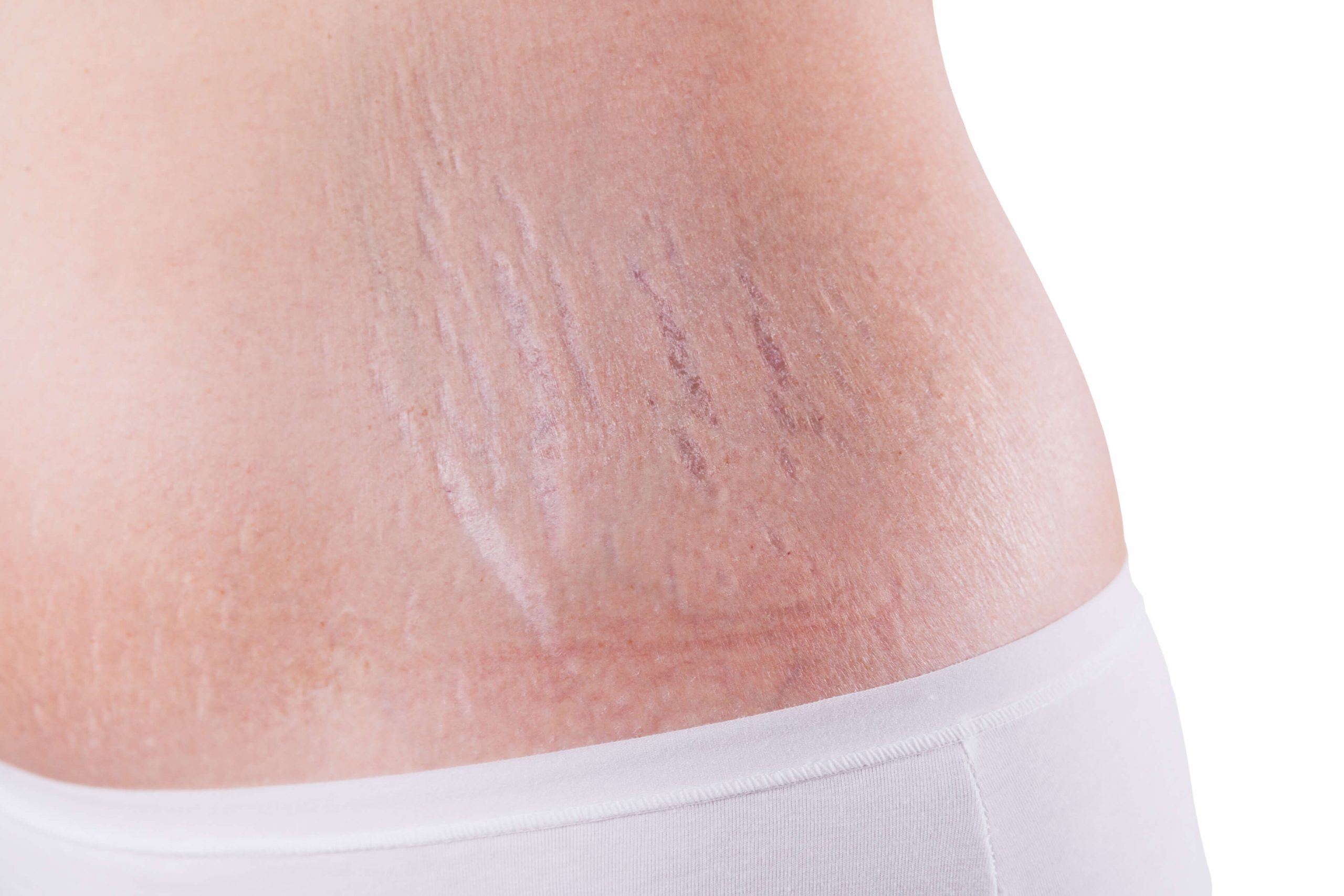
Predominantly a skin problem that women and adolescents face, stretch mark or striae as it is medically known, is a type of scar that develops when the middle layer of the skin (dermis) stretches or shrinks too quickly. When the body expands, the connecting fibers in the dermis slowly stretch to accommodate slow growth. With rapid growth, there is sudden stretching and this causes the dermis to tear, allowing deeper layers of skin to show through. The abrupt change causes the collagen and elastin, which support the skin, to rupture. As the skin heals, stretch marks may appear as long, narrow streaks, bands, or lines that can occur on various body parts.But they eventually fade to a silvery, white, or glossy appearance, due to the pale fat beneath the skin becoming visible instead of the usual blood vessels.
Early stretch marks may feel slightly raised and can be itchy but later become flattened, thin and turn pink or reddish in colour. Over time, these pink or red marks will fade to a silvery white and less prominent. Stretch marks are usually several centimetres long and 1 to 10 mm wide. Those caused by corticosteroid use or Cushing Syndrome are often larger and wider and may involve other regions, including the face.
Although some stretch marks gradually become less noticeable over time, this can take years. Rather than waiting for natural fading, proactive medical intervention can target the underlying tissue to accelerate the healing process.
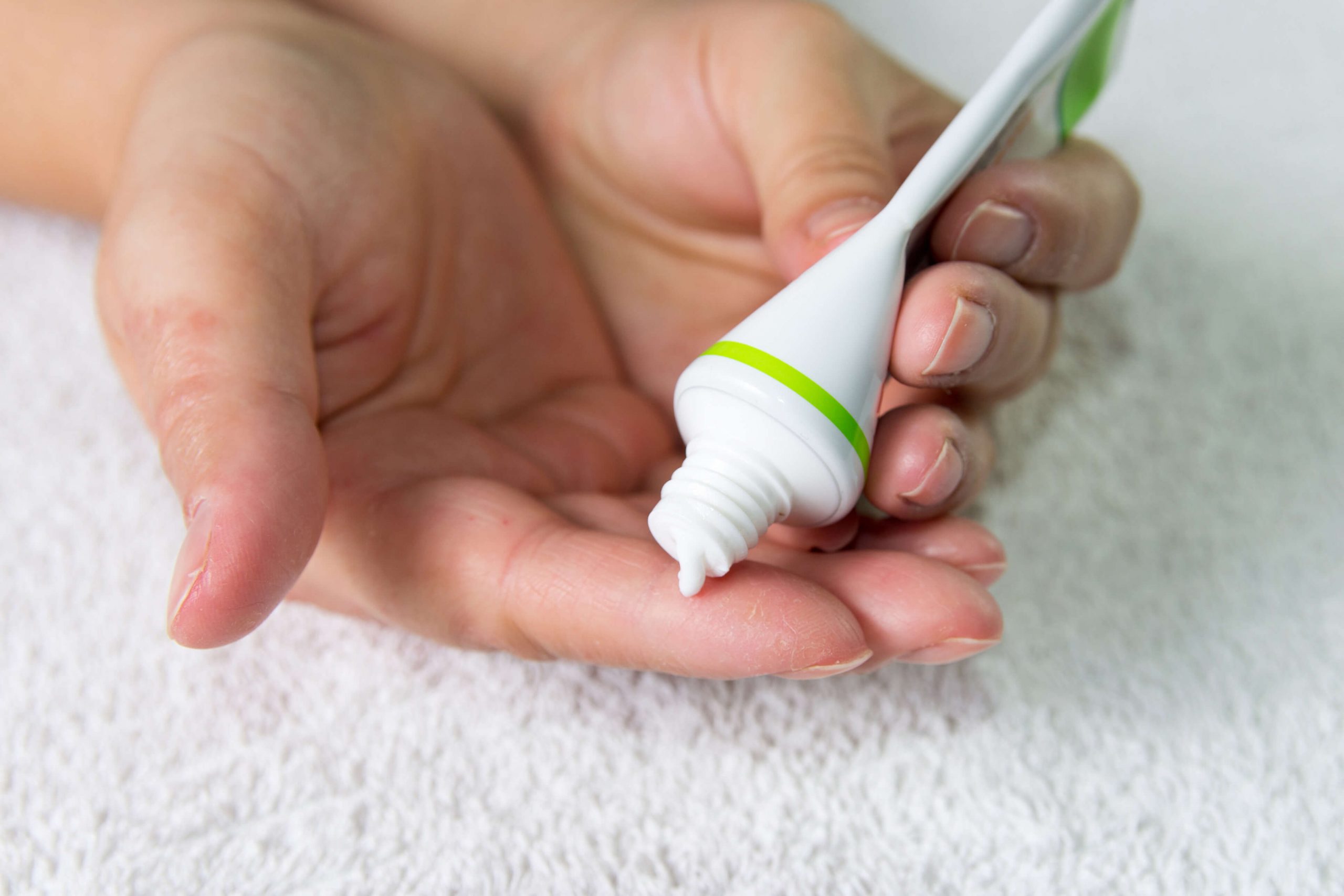
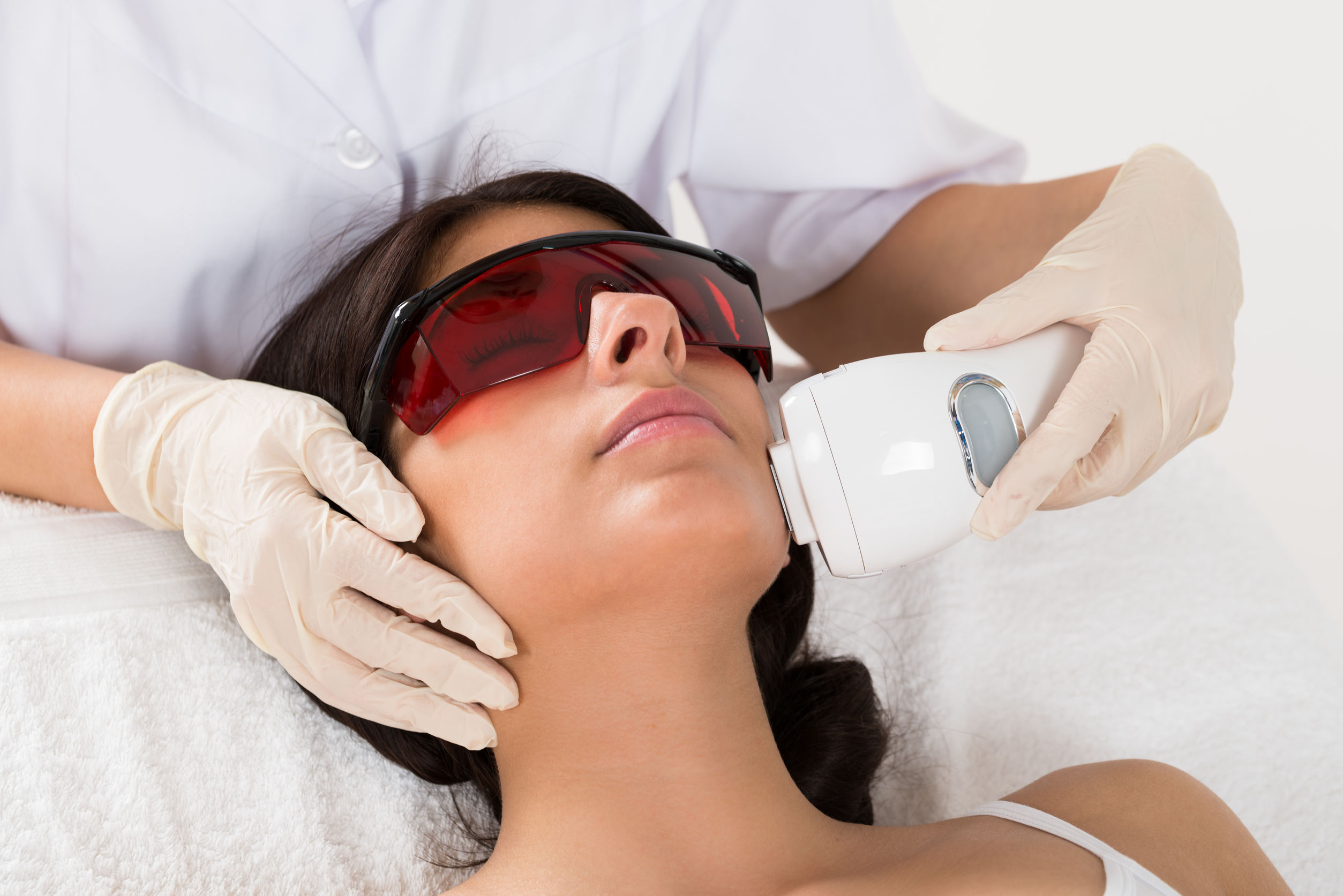
While over-the-counter topical treatments may offer slight improvements in skin hydration, they often fail to reach the deeper layers of the dermis where stretch marks form. To see significant clinical improvement, it is recommended to seek professional help. As a premier aesthetic clinic singapore, IDS Clinic utilises advanced energy-based devices and collagen-stimulating therapies to effectively remodel the skin and fade stubborn stretch marks.