Face & Skin

Hyperpigmentation Laser Treatment in Singapore: A Complete Guide

Living with dark spots, uneven skin tone, or stubborn pigmentation can affect how you feel about your appearance. Hyperpigmentation refers to areas of skin that appear darker than the surrounding tissue. It’s a common cosmetic concern. Sun exposure, hormonal changes, acne scarring, or ageing can all cause these darker patches.

Hyperpigmentation laser treatment offers a targeted approach to reducing unwanted pigmentation and supporting a more even skin tone. This guide provides information about laser treatment options for hyperpigmentation in Singapore.

Book Appointment
https://idsclinic.b-cdn.net/wp-content/uploads/2026/01/Untitled-design-2.jpgHyperpigmentation Laser Treatment in Singapore A Complete Guide

What is Hyperpigmentation Laser Treatment?

Hyperpigmentation laser treatment is a medical procedure that uses focused light energy to target and break down excess melanin deposits in the skin. Melanin is the pigment responsible for skin colour. When it accumulates unevenly, it creates dark patches or spots.

During treatment, specific wavelengths of light penetrate the skin to reach the pigmented cells. The laser energy is absorbed by the melanin. This causes the pigment particles to fragment into smaller pieces. Your body’s natural immune system then gradually removes these fragmented particles over the following weeks, supporting lighter, more even-toned skin.

This treatment addresses various forms of hyperpigmentation, including:

  • Sunspots (solar lentigines)
  • Melasma (patches of darker skin often triggered by hormones or sun exposure)
  • Post-inflammatory hyperpigmentation from acne or injuries
  • Freckles
  • Age spots

The depth and type of pigmentation determine which laser technology and settings may be appropriate for each case.

Different laser systems have been developed to target specific pigmentation concerns whilst protecting surrounding skin tissue. Results typically develop gradually over multiple sessions. Outcomes differ among patients based on individual health factors.

Who is a Suitable Candidate for Hyperpigmentation Laser Treatment?

Not everyone with pigmentation concerns is suitable for laser treatment. The following characteristics generally indicate good candidacy:

  • Individuals with clearly defined pigmented lesions, such as sunspots, age spots, or freckles
  • Those with post-inflammatory hyperpigmentation from healed acne or skin injuries
  • Individuals committed to strict sun protection before, and people who have not responded adequately to topical treatments like hydroquinone or retinoids after treatment
  • Patients with stable pigmentation that is not actively worsening
  • People who have not responded adequately to topical treatments like hydroquinone or retinoids
  • Patients with realistic expectations about gradual improvement
  • Those in overall good health without active skin infections or conditions
  • People who can avoid sun exposure and tanning for the required treatment period

Contraindications

Certain factors may make hyperpigmentation laser treatment unsuitable or require special consideration:

  • Active skin infections, open wounds, or inflammatory skin conditions in the treatment area
  • Current use of photosensitising medications or certain antibiotics, retinoids, or herbal supplements that increase your skin’s sensitivity to light
  • Recent sun exposure, sunburn, or active tan in the treatment area
  • History of keloid scarring (raised scars that grow beyond the original wound) or abnormal wound healing
  • Pregnancy or breastfeeding
  • Active melasma that has not been stabilised with topical treatments first
  • Use of isotretinoin (a medication used to treat severe acne) within the past several months
  • Certain autoimmune conditions affecting the skin
  • Unrealistic expectations about complete pigment removal in a single session

A thorough consultation with a qualified healthcare professional is essential before proceeding. An aesthetic doctor specialises in cosmetic skin treatments. They will assess your skin type, pigmentation depth, medical history, and lifestyle factors to determine if laser treatment is appropriate.

Treatment Techniques & Approaches

Several laser and light technologies are used to treat hyperpigmentation. Each has distinct characteristics suited to different pigmentation types and skin tones.

Q-Switched Lasers

Q-switched lasers deliver high-intensity light pulses in extremely short durations (nanoseconds). This technology targets discrete pigmented lesions, such as individual dark spots or freckles, without significantly affecting surrounding tissue. Common Q-switched systems include Nd: YAG (1064nm and 532nm wavelengths) and Ruby lasers. The 1064nm wavelength penetrates deeper into the skin, making it suitable for dermal pigmentation (pigmentation in the deeper layer of skin). The 532nm wavelength targets more superficial pigment. Healthcare providers often use Q-switched lasers for sunspots, freckles, and certain birthmarks.

Picosecond Lasers

Picosecond lasers represent a newer generation of pigmentation treatment technology. They deliver energy in trillionths of a second rather than nanoseconds. This ultra-fast pulse duration creates a photomechanical effect (a physical shattering action rather than heat-based breakdown). This effect breaks pigment into smaller particles, potentially allowing the body to clear them more efficiently. Picosecond technology may require fewer treatment sessions for certain pigmentation types. Healthcare providers often consider it for stubborn or previously treated pigmentation.

Fractional Lasers

Fractional laser systems create many microscopic treatment zones whilst leaving surrounding tissue intact. This approach stimulates collagen remodelling (the body’s process of building new, healthy collagen). It can address pigmentation alongside textural concerns, such as fine lines or uneven skin texture. Healthcare providers sometimes use fractional lasers for post-inflammatory hyperpigmentation and melasma, though they require careful parameter selection based on skin type.

Intense Pulsed Light (IPL)

Whilst technically not a laser, IPL uses broad-spectrum light (a range of different light wavelengths) to target pigmentation. Healthcare providers often discuss it alongside laser treatments. IPL can address superficial pigmentation. It offers the advantage of treating larger areas efficiently, though it requires careful use in darker skin tones due to the risk of unintended pigment changes.

Pulsed Dye Lasers (Vascular Component)

Pulsed Dye Lasers (PDL) target blood vessels and are frequently used for red or pink scars and post-inflammatory erythema (redness that remains after inflammation). They can help flatten raised scars and reduce redness associated with newer scarring. PDL is often used in combination therapy to address the vascular component of pigmentation and scarring.

Technology and Equipment Selection

The choice of laser technology depends on several factors:

  • The type and depth of pigmentation
  • Your skin type (Fitzpatrick scale, a classification system that categorises skin based on how it responds to sun exposure)
  • Treatment area
  • Individual response patterns

Your doctor can select the appropriate technology and settings tailored to your specific skin characteristics and pigmentation concerns. Darker skin tones require specific wavelengths and settings to minimise the risk of post-inflammatory hyperpigmentation or hypopigmentation (lightening of treated areas).

Unsure which laser approach suits your skin type? Consult a qualified aesthetic professional to have your pigmentation concerns assessed and discuss suitable treatment options for your individual needs.

Book Consultation

The Treatment Process

Understanding what happens before, during, and after your hyperpigmentation laser treatment helps you prepare appropriately.

Stage Process
Pre-Treatment Preparation Preparation typically begins several weeks before your scheduled treatment. Your doctor may prescribe topical preparations containing ingredients like hydroquinone (a skin-lightening agent), tretinoin (a vitamin A derivative that promotes skin cell turnover), or vitamin C to prime your skin and reduce melanin activity. This preparation phase is particularly important for melasma treatment. You will need to avoid direct sun exposure and use a broad-spectrum sunscreen with high SPF daily.


Stop self-tanning products, waxing, and other hair removal methods in the treatment area. Inform your doctor about all medications, supplements, and skincare products you use, as some may need to be paused. On the day of treatment, arrive with clean skin free of makeup, sunscreen, or skincare products. Avoid caffeine and alcohol, which can increase skin sensitivity.

During the Procedure Upon arrival, your treatment area will be thoroughly cleansed. Your provider may take photographs for documentation and progress tracking. A topical numbing cream is typically applied well before treatment to minimise discomfort. Some patients find the procedure tolerable without anaesthesia.


You will be given protective eyewear to shield your eyes from the laser light. The treating doctor will test the laser on a small area first to confirm appropriate settings for your skin.


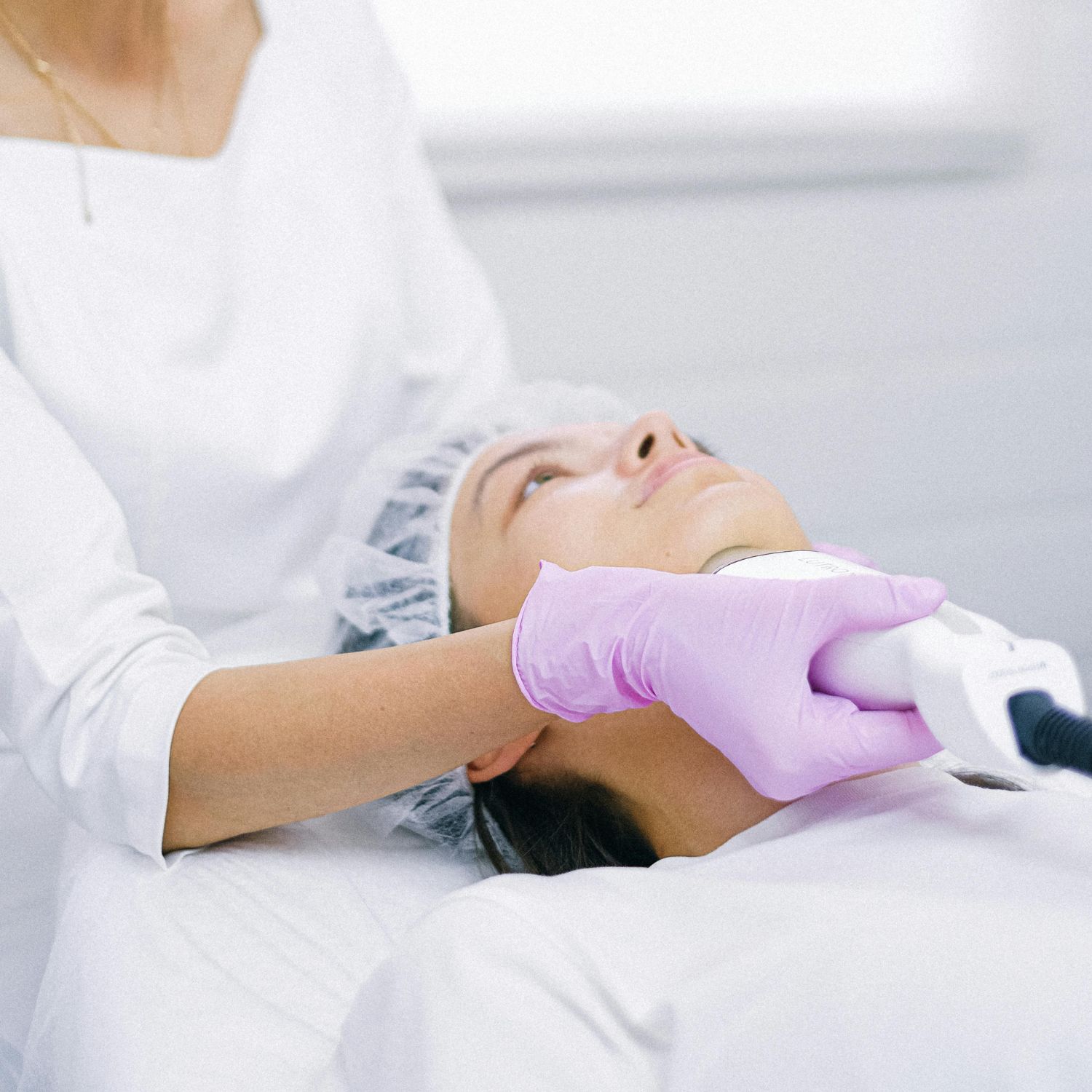
During treatment, the laser handpiece is moved systematically across the pigmented areas. You may feel sensations described as rubber band snaps, warmth, or mild stinging. Each pulse targets a small area. The total treatment time depends on the size and number of areas being treated, typically a short duration for facial treatment.


Immediately after the laser passes over pigmented spots, you may notice whitening (frosting) of the treated areas. This indicates the skin has responded to the laser. This temporary response fades within a short period.

Immediate Post-Treatment After treatment, your skin may appear red, slightly swollen, or feel warm, similar to a mild sunburn. Cool compresses or a soothing gel may be applied to improve comfort. Your doctor will provide specific aftercare instructions and products tailored to your skin type and treatment.


Treated pigmented spots often darken initially before they lighten. This darkening (called crusting or scabbing) is a normal part of the healing process. Do not pick or scratch these areas. You can usually return home immediately and resume light activities. Avoid strenuous exercise for a day or two.


You can take over-the-counter paracetamol if needed. Your provider may give you prescription-strength products for aftercare.

Recovery & Aftercare

Proper aftercare plays a vital role in achieving results and minimising complications. Your recovery experience will vary based on the laser type used and treatment intensity.

First 24-48 Hours

During the initial recovery period, expect redness and mild swelling that typically subsides within one to three days. The treated pigmented areas will appear darker; this is normal and expected. Apply prescribed healing ointments or gentle moisturisers as directed.

Avoid touching, scratching, or picking at treated areas. Keep the skin clean using a gentle, non-foaming cleanser. Avoid hot water, saunas, steam rooms, and strenuous exercise that causes excessive sweating. Do not apply makeup or active skincare ingredients (such as vitamin C, retinoids, or acids) until your doctor clears you.

Contact your clinic if you experience severe pain, blistering, or signs of infection (such as increasing redness, pus, or fever).

First Week

By day three to seven, darkened pigmented spots will form crusts or flaky skin. Allow these to shed naturally. Forced removal can cause scarring or prolonged healing. You may gently cleanse and pat dry, but avoid rubbing or exfoliating.

Continue strict sun avoidance. If you must go outdoors, apply a broad-spectrum high SPF sunscreen and wear a wide-brimmed hat. Even brief sun exposure during this healing phase can trigger new pigmentation.

Most patients can return to work within one to two days. Visible darkening of treated spots may persist for one to two weeks. You can typically apply makeup once any crusting has naturally shed, usually around day seven to ten.

Long-term Recovery

Results from hyperpigmentation laser treatment develop gradually over several weeks. Your body clears the fragmented pigment particles during this time. The treated areas progressively lighten.

Multiple treatment sessions are typically needed, spaced several weeks apart. The number of sessions depends on pigmentation type, depth, and individual response. Your doctor will determine the specific treatment plan based on your skin’s condition and response.

Long-term sun protection is essential to maintain results and prevent new pigmentation from forming. Continue using high SPF sunscreen daily, even on cloudy days, as part of your permanent skincare routine. Your doctor may recommend maintenance treatments or topical products to preserve your results.

A healthcare professional who specialises in skin conditions can provide comprehensive aftercare guidance to support proper healing and help you achieve results from your hyperpigmentation laser treatment.

Schedule Consultation
Untitled design Untitled design

Benefits of Hyperpigmentation Laser Treatment

When performed appropriately, hyperpigmentation laser treatment offers several potential benefits:

  • Targeted precision: Lasers can specifically target pigmented cells whilst preserving surrounding healthy tissue. This offers more focused treatment than topical products.
  • Addresses deeper pigmentation: Unlike topical treatments that primarily affect the skin’s surface, certain lasers can reach pigment deposits in deeper skin layers.
  • Noticeable improvement: Many patients experience a reduction in pigmentation visibility over their treatment course.
  • Relatively quick procedures: Treatment sessions are typically completed within a short timeframe, allowing patients to return to daily activities promptly.
  • Versatility: Different laser technologies can address various pigmentation types, from superficial sunspots to deeper melasma.
  • Collagen stimulation: Some laser treatments provide additional skin rejuvenation benefits by stimulating collagen production (collagen is a protein that helps keep skin firm and smooth).
  • Sustained results: With proper sun protection and maintenance, results can be sustained for extended periods.
  • Improved skin clarity: Beyond reducing dark spots, many patients report improvements in skin tone, evenness and radiance.

Results depend on your unique pigmentation type, skin characteristics, treatment adherence, and lifestyle factors. Your treating doctor can provide realistic expectations based on your specific situation.

Risks & Potential Complications

Common Side Effects

Many patients experience temporary side effects that resolve without intervention:

  • Redness and swelling: Usually subsides within a few days
  • Darkening of treated spots: Expected response lasting a couple of weeks before the pigment lightens
  • Mild discomfort: Burning or stinging sensation during and immediately after treatment
  • Crusting and flaking: Normal part of the healing process, as treated pigment sheds
  • Temporary dryness: Managed with gentle moisturisers
  • Mild bruising: Occasionally occurs, particularly with deeper treatments

These effects are generally manageable with proper aftercare and resolve as the skin heals.

Rare Complications

Less common but more significant complications include:

  • Post-inflammatory hyperpigmentation: Paradoxical darkening can occur, particularly in darker skin tones or with inadequate sun protection. This usually resolves with time and topical treatment, but can take several months.
  • Hypopigmentation: Lightening of treated areas below normal skin colour, more common with aggressive treatment or improper settings
  • Scarring: Rare with proper technique but possible, especially if treated areas are picked or infected
  • Infection: Uncommon with proper aftercare, but possible if the healing skin is not kept clean
  • Blistering or burns: Can occur with incorrect settings or inadequate cooling
  • Herpes simplex reactivation: Patients with a history of cold sores may experience outbreaks. Your provider may prescribe prophylactic antiviral medication to prevent this.

You can minimise the risk of complications by choosing a qualified healthcare professional who uses appropriate technology and settings for your skin type. Following aftercare instructions precisely, particularly regarding sun protection, can help reduce complication risk.

Cost Considerations

Several factors influence the cost of hyperpigmentation laser treatment in Singapore:

  • Treatment area size: Larger areas or multiple areas require more time and resources.
  • Laser technology used: Different laser systems have varying costs associated with their operation.
  • Number of sessions required: More extensive pigmentation typically requires additional sessions.
  • Pigmentation type and depth: Complex cases like melasma may require combination approaches.
  • Clinic location and facility standards: Costs vary based on clinic overheads and equipment.
  • Doctor’s qualifications and experience: Qualified healthcare professionals may have different fee structures.

Treatment packages typically include the consultation, laser procedure, and basic aftercare products. Additional costs may apply for topical preparation products, numbing cream, or specialised post-treatment skincare.

Rather than focusing solely on price, consider the overall value, including the practitioner’s qualifications, clinic standards, technology available, and aftercare support provided. Treating hyperpigmentation requires skill and appropriate technology selection. Choosing based on qualifications and suitability rather than cost alone is important for safer treatment outcomes.

For accurate pricing based on your specific needs, schedule a consultation where your pigmentation can be assessed and a personalised treatment plan developed.

Frequently Asked Questions

How many laser sessions will I need for hyperpigmentation?

The number of sessions varies significantly based on pigmentation type, depth, and individual response. Superficial sunspots may show improvement in a small number of sessions. Deeper pigmentation or melasma typically requires several sessions spaced several weeks apart to allow healing and assess response. Your doctor can provide an estimate after examining your specific pigmentation. The final number may be adjusted based on your progress.

Is hyperpigmentation laser treatment painful?

Most patients describe the sensation as tolerable, similar to rubber band snaps against the skin or brief stinging. Numbing cream applied before treatment reduces discomfort. The procedure duration is relatively short, and any discomfort subsides quickly afterwards. Patients with lower pain tolerance can discuss additional comfort measures with their doctor. The intensity of sensation also depends on the specific laser used and treatment settings.

Can hyperpigmentation laser treatment be performed on all skin tones?

Whilst laser treatment can be performed on various skin tones, darker skin types require special consideration. Melanin-rich skin absorbs more laser energy, increasing the risk of complications like post-inflammatory hyperpigmentation or hypopigmentation. Specific laser wavelengths, particularly Nd: YAG, and conservative settings are used for darker skin. Qualified healthcare professionals with appropriate technology can treat patients across the Fitzpatrick skin type spectrum. Proper assessment and technique selection are crucial.

How long do results from hyperpigmentation laser treatment last?

Results can be long-lasting, particularly for sun-induced pigmentation. Hyperpigmentation is not a condition that can be permanently managed in all cases. New pigmentation can develop from ongoing sun exposure, hormonal changes, or ageing. Melasma, in particular, tends to recur and may require ongoing management. Maintaining results requires consistent daily sunscreen use, sun avoidance, and possibly maintenance treatments or topical products. Many patients find that with proper care, improvement can be sustained.

What is the downtime after hyperpigmentation laser treatment?

Most patients can return to normal activities immediately. Visible skin changes occur during healing. Expect treated spots to darken for a period before lightening. Redness typically resolves within a few days. Social downtime varies based on your comfort with visible healing signs. Some patients prefer to schedule treatment before weekends or quieter periods. You can usually apply makeup once any crusting has shed. Avoid strenuous exercise and sun exposure for specific periods as advised.

Can I combine laser treatment with other hyperpigmentation treatments?

Yes, combination approaches often yield results, particularly for complex pigmentation like melasma. Your doctor may recommend topical treatments such as hydroquinone, retinoids, vitamin C, or azelaic acid before and between laser sessions. Chemical peels may be incorporated into treatment plans. Your doctor can design a treatment protocol based on your pigmentation type, potentially combining different modalities. The timing and sequencing of various treatments requires professional guidance.

What should I look for when choosing a clinic for hyperpigmentation laser treatment?

Important considerations include the practitioner’s qualifications (a healthcare professional who specialises in skin conditions or a trained aesthetic doctor), experience specifically with pigmentation treatment, availability of appropriate laser technology for your skin type, thorough consultation process, realistic expectation-setting, ongoing aftercare support, and proper clinic hygiene and safety standards. Ask about their experience treating patients with similar skin types and pigmentation concerns. A quality provider can conduct a detailed assessment before recommending treatment.

Conclusion

Hyperpigmentation laser treatment offers an approach for many Singaporeans seeking to address unwanted dark spots, uneven skin tone, and stubborn pigmentation. With various laser technologies available, treatment can be tailored to different pigmentation types and skin characteristics, providing targeted improvement that topical products alone may not achieve.

Success with hyperpigmentation laser treatment depends on several factors: proper candidate selection, appropriate technology and settings, skilled treatment delivery, and committed aftercare, particularly rigorous sun protection.

Whilst multiple sessions are typically needed and results develop gradually, many patients can experience meaningful improvement in skin clarity and confidence.

If pigmentation concerns affect your quality of life, consulting with a qualified healthcare professional or aesthetic doctor is a worthwhile first step. They can assess your specific situation, determine whether laser treatment is appropriate, and develop a personalised treatment plan aligned with your goals and expectations.

Consult with our aesthetic doctors to find the most suitable laser treatment for your hyperpigmentation concerns.

Book Your Consultation Today

Our Doctors

VIEW ALLRight arrow icon used for website navigation
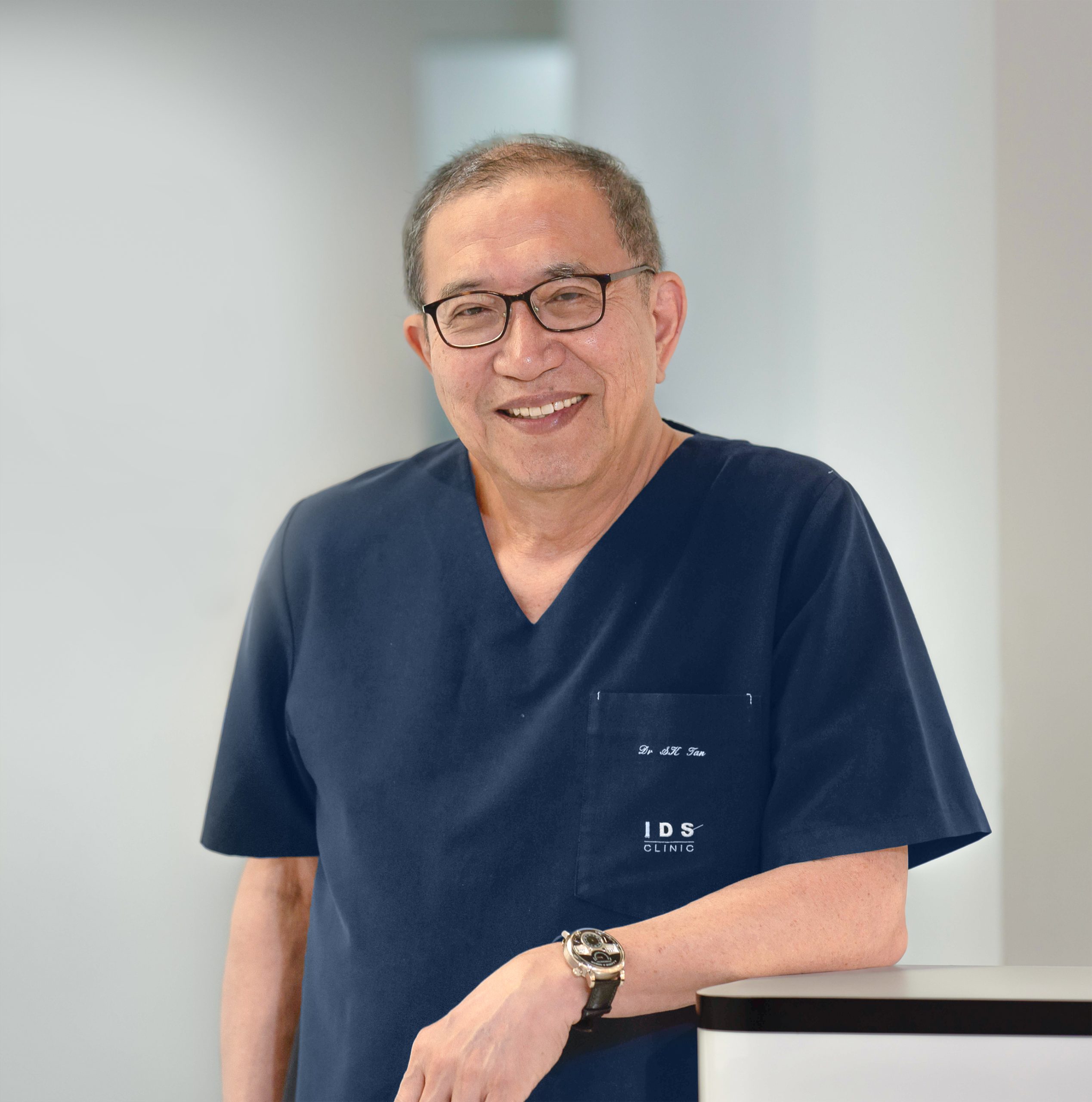
Clinic portrait of Dr SK Tan in medical attire

Dr. SK Tan

Special Interest

  • Hyper-pigmentation
  • Anti-Aging
  • Acne
  • Acne Scarring
  • Ingredient Studies

Dr. SK Tan

Dr Tan graduated in 1971, with a Bachelors of Medicine (MB) and a Bachelors of Surgery (BS) from the University of Malaya. Dr Tan’s interest in dermatology led him to train at the St John’s Institute of Dermatology in London in the 1970s and he has since been focused in the field of aesthetic dermatology.

  • MBBS
  • Diploma in Venereology (University of London)
  • Diploma in Dermatology (University of Wales)
  • Diploma in Cosmetic Science (UK)
  • Master of Business Administration
  • Fellow of the American Academy of Dermatology (FAAD)

He is a member of numerous medical associations, including the American Academy of Dermatology, the International Society of Cosmetic Laser Surgeons, and the International Academy of Cosmetic Dermatology. Dr Tan was one of the first local doctors to be certified by the American Board of Anti-Aging Medicine. His personal interest in pigmentary disorders and acne has also led him to become an International Member of the Pigmentary Disorders Society of India, the Asian Society of Pigment Cell Research, and the American Acne and Rosacea Society (AARS).

Dr Tan’s work has led him to be invited to speak at numerous international conferences in the US, Europe and throughout the Asia Pacific region. He is a co-editor of “Handbook of Cosmetic Microbiology”, a reference book published by Marcel Dekker, and his papers have been published in the Journal of Cosmetic Dermatology, International Journal of Dermatology, Journal of the European Academy of Dermatology and Venereology, Journal of Cosmetic and Laser Therapy, and Expert Review of Dermatology, and has contributed a chapter in the reference book ‘Pigmentary Disorders: A Comprehensive Compendium’.

Special Interest

  • Hyper-pigmentation
  • Anti-Aging
  • Acne
  • Acne Scarring
  • Ingredient Studies
Make An Enquiry
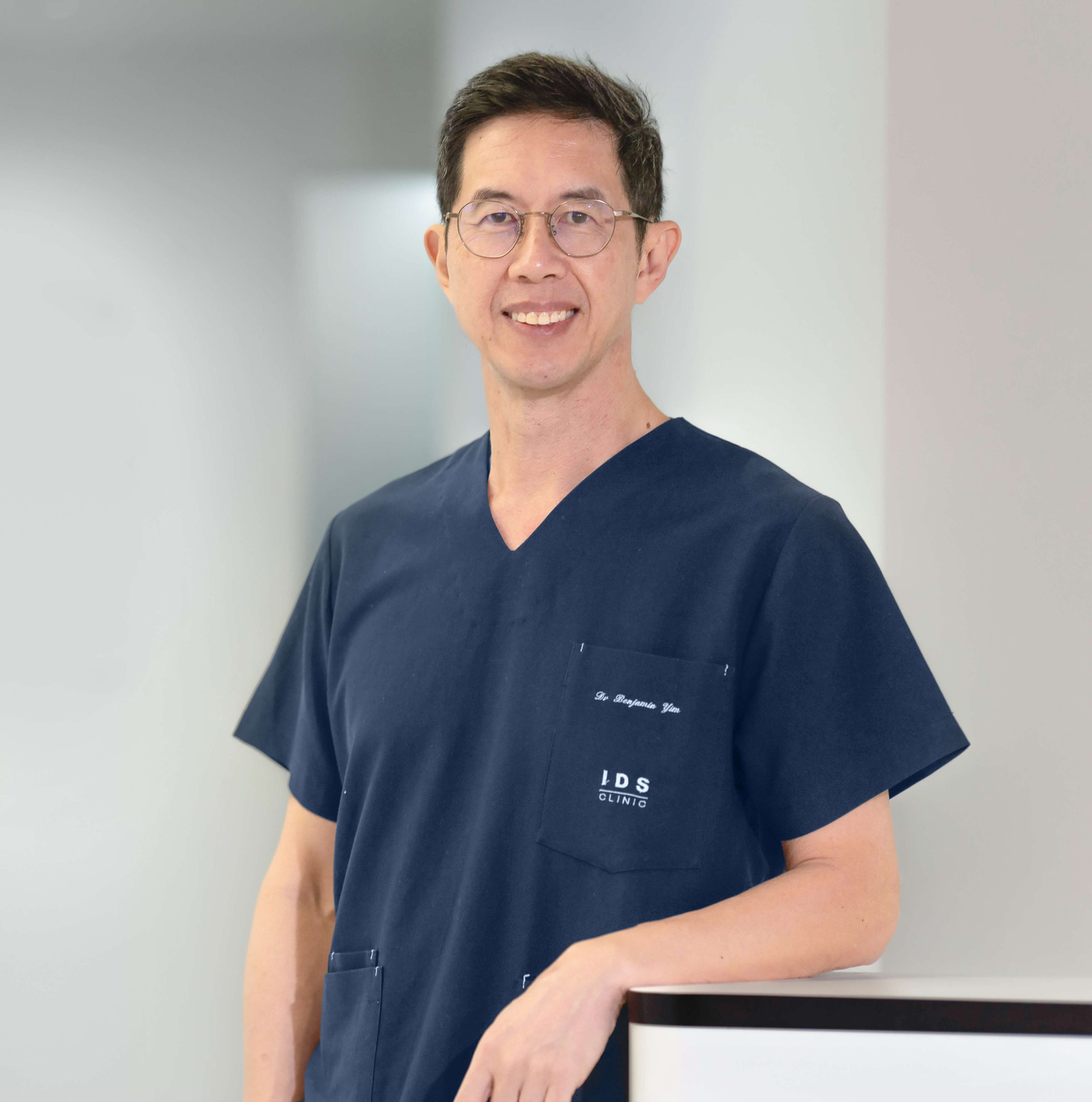
Portrait of Dr Ben Yim at IDS Clinic Singapore

Dr. Ben Yim

Special Interest

  • Anti-aging
  • Hyper-pigmentation
  • Body-Contouring
  • Fat Reduction

Dr. Ben Yim

Dr Yim graduated from Monash University in Australia with a Bachelor of Medicine and Bachelor of Surgery degree. He has also earned a Master of Science in Clinical Dermatology from the University of London and more recently in Non-Surgical Facial Aesthetics from Anglia Ruskin University in UK, as well as a Graduate Diploma in Family Physicians in National University of Singapore.

  • M.B.B.S (Monash University) 1994
  • Diploma Practical Dermatology (University of Wales College of Medicine) 1998
  • MSc. Clinical Dermatology (University of London) 1999
  • MBA (University of Chicago) 2011
  • MSc Non-Surgical Facial Aesthetics (Anglia Ruskin) 2018
  • GDFM (NUS) 2019

Dr Yim has been practicing aesthetic medicine in private practice since 2000. The former director of Clinical Aesthetics & Laser Centre has been offering a wide armamentarium of aesthetic services including Botulinum Toxins, fillers for facial enhancement, skin tightening, fractional lasers, threadlifts, and non-invasive body contouring treatments.

As a trainer for Allergan Medical Institute in Singapore, Dr Yim has been invited to speak and train for numerous aesthetic workshops and conferences including “The Advanced Facial Anatomy and Injectables Workshop”, Botulinum Toxins and Filler injectable training workshops organized by Allergan, “The Singapore Disease Conference 2008” and “1st International Conference on Healthcare Transformation 2008” and Forum for Professional Self-regulation jointly organized by the SingHealth Centre for Health Services Research and the NUS Medical Society, to name a few.

Dr Yim comes from a family of four doctors, all in private practice in family medicine. Despite the move into full-time aesthetic medicine, Dr Yim has also taken an interest in family medicine pursuing a Master degree in Medicine in Family Medicine in NUS in which he hopes to complete in 2020.

Outside of his profession, Dr Yim also actively participates in social projects such as tattoo laser removal for prison inmates and teenage delinquents. For leisure, he enjoys golf, reading, playing the piano and running – he has participated in several half-marathons.

Special Interest

  • Anti-aging
  • Hyper-pigmentation
  • Body-Contouring
  • Fat Reduction
Make An Enquiry
Portrait of Dr Michelle at IDS Clinic Singapore

Dr. Michelle Wong

Special Interest

  • Acne
  • Acne Scarring
  • Focused Ultrasound Lifting
  • Skin Brightening
  • Cryo based Treatment

Dr. Michelle Wong

Dr Michelle Wong graduated from The University of Melbourne, Australia with a Bachelors of Medicine, Bachelors of Surgery and Bachelors of Medical Science. She obtained her post-graduate Diploma in Clinical Dermatology with Distinction from the Queen Mary University of London, and holds a Diploma in Aesthetic Medicine with the American Academy of Aesthetic Medicine (AAAM).

  • MBBS from The University of Melbourne, Australia
  • Diploma in Clinical Dermatology from Queen Mary University of London
  • Diploma in Aesthetics Medicine from American Academy of Aesthetic Medicine
  • Diploma in Cosmetic Science (UK)

In aesthetics, Dr Wong believes she has discovered her ikigai – the intersection of what she is both good at and loves doing. Her preferred tools of the trade are injectables such as Botulinum Toxins & fillers, which she wields with finesse and intuition - often achieving what her patients desire but cannot express through words. Out of passion and interest, she regularly attends conferences and workshops, eager to learn about the latest treatments and techniques to further hone her craft.

Combining the science of medicine with the art of beauty, Dr Wong provides an honest consult to help her patients achieve their skincare and beauty goals. She believes in understated elegance – a focus on a less-is-more approach - and works to enhance her patients’ natural features whilst instilling self-confidence. Her reassuring and gentle approach puts patients at ease allowing her to achieve maximum results through safe and effective procedures.

In her free time, Dr Wong enjoys taking long walks with her dog at the park. Her family praises her inner domestic goddess that can whip up an impressive variety of home-cooked meals. She is also active in church medical missions and believes in contributing back to society through her God-given gifts and talents.

Special Interest

  • Acne
  • Acne Scarring
  • Focused Ultrasound Lifting
  • Skin Brightening
  • Cryo based Treatment
Make An Enquiry
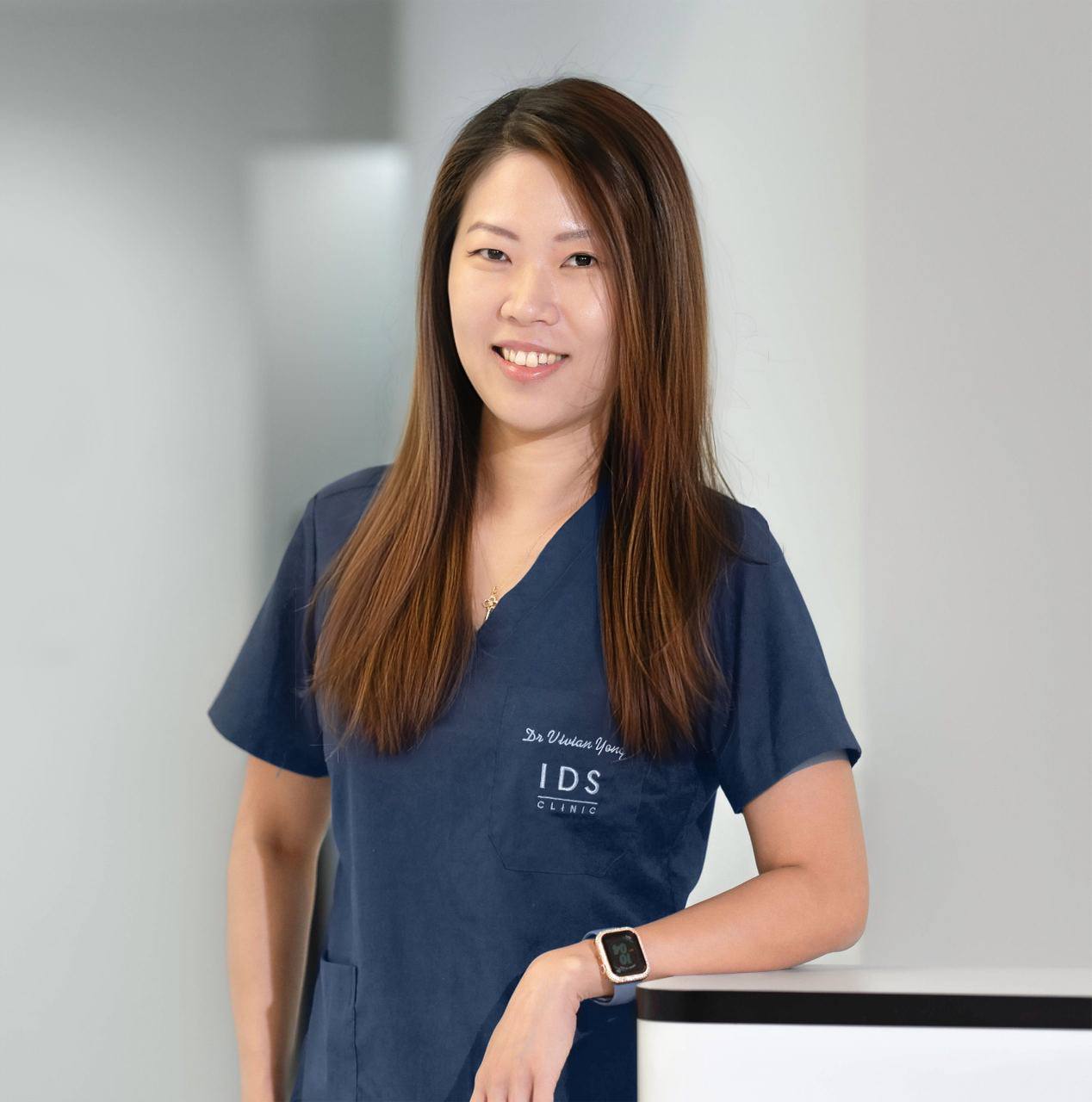
Medical professional portrait taken in clinic environment

Dr. Vivian Yong

Special Interest

  • Acne
  • Acne Scarring
  • Fillers
  • Neurotoxin Injection - Botulinum Toxins
  • Face Lifting
  • Facial Enhancement

Dr. Vivian Yong

Dr Vivian Yong graduated from National University of Singapore in 2006, and has an experience of more than 10 years in Aesthetics. She has also accumulated extensive surgical skills and experience from various rotations in general surgery, ophthalmology, and ENT.

  • MBBS
  • GDFM

Dr Vivian has always had a natural inclination towards science subjects and this led her into medicine. During her medical graduate days, she developed a keen interest in Aesthetics and Skincare, and she believes that Aesthetics is one area that allows her to help a patient achieve their ideal artistic expression based on science. While Dr Vivian is always keen to accommodate her patients’ needs, she ensures that their welfare remains the utmost priority. This is why Dr Vivian is loved by her patients for always being meticulous and attentive to details.

Dr Vivian’s eye for beauty goes beyond aesthetics. Outside the clinic, Dr Vivian loves to spend her time in leather crafting and jewelry making, transforming basics into beauty. She also loves spending her quiet time exercising in the gym or chilling at home with her loved one.

Special Interest

  • Acne
  • Acne Scarring
  • Fillers
  • Neurotoxin Injection - Botulinum Toxins
  • Face Lifting
  • Facial Enhancement
Make An Enquiry
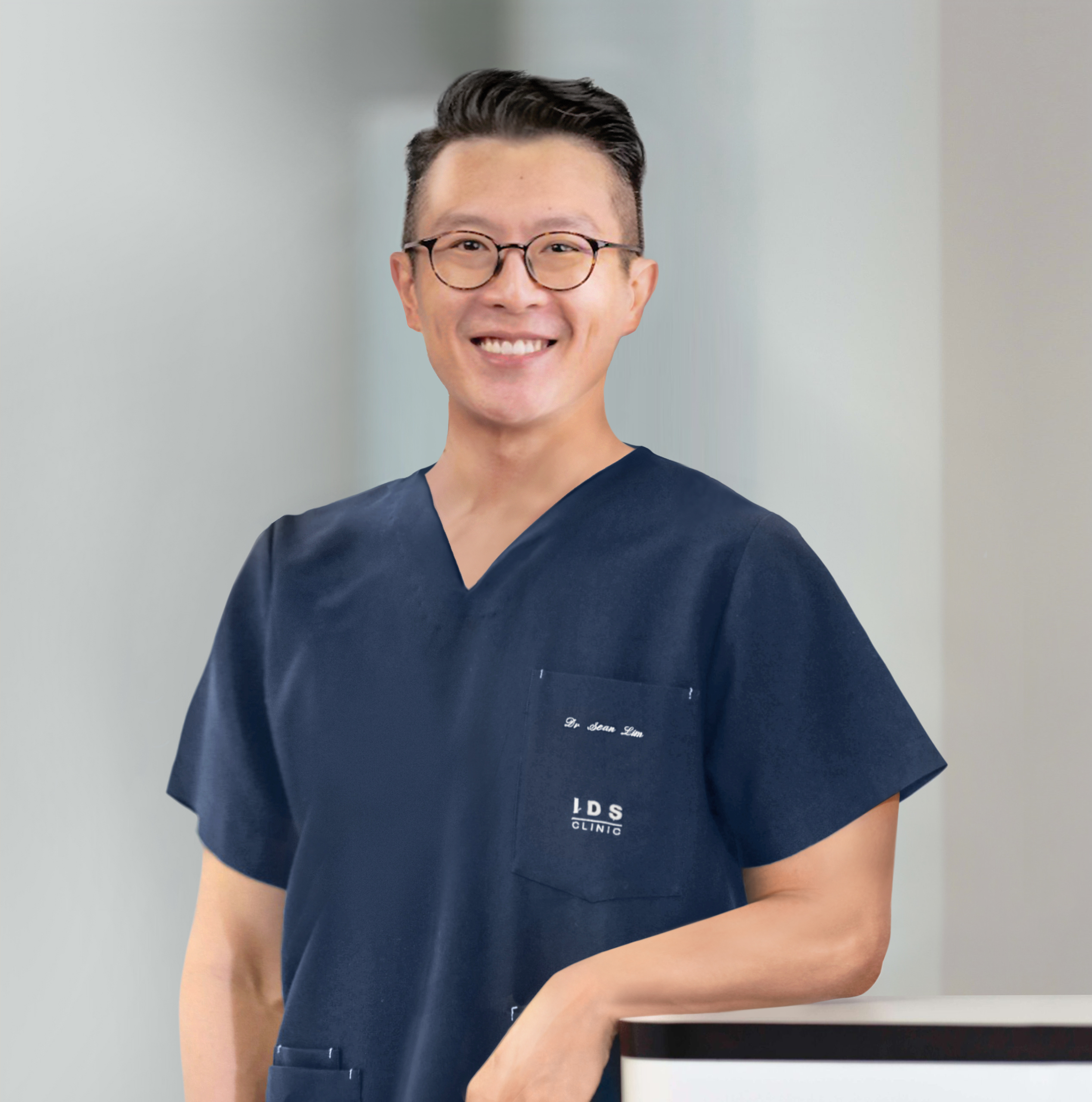
Portrait of Dr Sean Lim at IDS Clinic Singapore

Dr. Sean Lim

Special Interest

  • Acne
  • Acne Scarring
  • Fillers
  • Neurotoxin Injection - Botulinum Toxins
  • Face Lifting
  • Facial Enhancement

Dr. Sean Lim

Dr Sean is a dedicated medical professional with a diverse background in procedural disciplines and holistic care. He graduated with an MBBS degree from the National University of Singapore, earning recognition on the Dean's List for his exemplary performance in his final year Professional Examination.

  • MBBS (Singapore)
  • Certified Personal Trainer

Dr Sean is a dedicated medical professional with a diverse background in procedural disciplines and holistic care. He graduated with an MBBS degree from the National University of Singapore, earning recognition on the Dean's List for his exemplary performance in his final year Professional Examination. Fully registered with the Singapore Medical Council (SMC), Dr Sean is also certified to perform aesthetic procedures by the Aesthetic Dermatology Educational Group (ADEG). Beyond his clinical practice, Dr Sean actively engages in community service and leadership endeavours. He has contributed his medical expertise to humanitarian missions, including Naamjai Medical Missions trips to Thailand and a collaborative effort with plastic surgeons from NUH at Yangon's Defense Services General Hospital (DSGH).

Dr Sean's commitment to excellence extends beyond the medical field. As a former Singapore national athlete in pole vaulting, he has represented Singapore in numerous international competitions, earning accolades and setting records. Dr Sean’s passion for health and fitness is evident in his certification as a personal trainer and his dedication to maintaining an active lifestyle.

A proud new father, Dr Sean cherishes quality time with his family outside of work commitments, demonstrating a balanced approach to life and well-being. His belief in delivering quality care with a personal touch reflects his ethos as a compassionate healthcare provider.

Special Interest

  • Acne
  • Acne Scarring
  • Fillers
  • Neurotoxin Injection - Botulinum Toxins
  • Face Lifting
  • Facial Enhancement
Make An Enquiry
IDS DrFoo scaled

Dr. Denise Foo

Special Interest

  • Non-surgical face lift
  • Acne
  • Acne Scarring
  • Double Chin and Jawline Sculpting

Dr. Denise Foo

Dr Denise’s clinical approach is centred on safety, effectiveness, and natural-looking outcomes. She focuses on longevity and prevention, using gradual, evidence-based treatments to slow the ageing process. She views aesthetic medicine as part of a long-term strategy, where small, well-timed interventions help preserve facial balance and skin quality, potentially reducing the need for more invasive procedures later. Her approach emphasises restraint, consistency, and long-term planning. For patients seeking more visible change, such as those with depressed acne scars, she uses targeted treatments to achieve meaningful improvements in skin texture and quality.

  • Doctor of Medicine, UNSW

Dr Denise places strong emphasis on patient education and informed decision-making, particularly in an industry where misinformation is common. She ensures patients understand the benefits and risks of treatments, so they can make clear, deliberate choices aligned with their goals. She believes in lifelong learning and regularly stays up to date with the latest advancements and technologies to provide her patients with the best possible care. This allows Dr Foo to offer gold-standard solutions tailored to each patient's unique needs.  

Above all, Dr Denise values the trust her patients place in her and strives to provide care with respect, integrity, and attention to detail.

Special Interest

  • Non-surgical face lift
  • Acne
  • Acne Scarring
  • Double Chin and Jawline Sculpting
Make An Enquiry
Contact icon used for IDS Clinic website footer section

We treat every problem in an efficacious way.

Step into the world of aesthetic solutions built upon medical science.

Where we integrate technology, artificial intelligence and complementary skincare to address the most common skin problems.

    2ed8cef16517e25e333b7a712f93e3d60145ce99

    Novena Specialist center

    Weekdays: 10am – 8pm
    Saturdays: 10am – 5pm
    Sundays & PH: Closed

    b3b2caf23385064f33aad5628a569ab7d9cfee72

    International Building

    Weekdays: 10am – 8pm
    Saturdays: 10am – 5pm
    Sundays & PH: Closed