- About
- Conditions
- Treatments
- Face
- Skin Rejuvenation – Injectables
- Dermal Fillers
- Lip Fillers
- Non-HA Based Injectables
- HA-Based Injectables
- Radiofrequency Treatment
- Ultrasound Lifting
- Energy-Based Skin Lifting and Tightening
- Non-Surgical Skin Tightening
- Non-Surgical Lifting and Tightening
- Double Chin Removal
- Non-Surgical Rejuvenation
- Aesthetic Microneedling
- Collagen-Stimulating Injections
- Skin
- Eyes
- Body
- Face
- Teleconsulting
Face & Body
Hyperpigmentation Treatment in Singapore
Last Reviewed: 8 Oct 2026
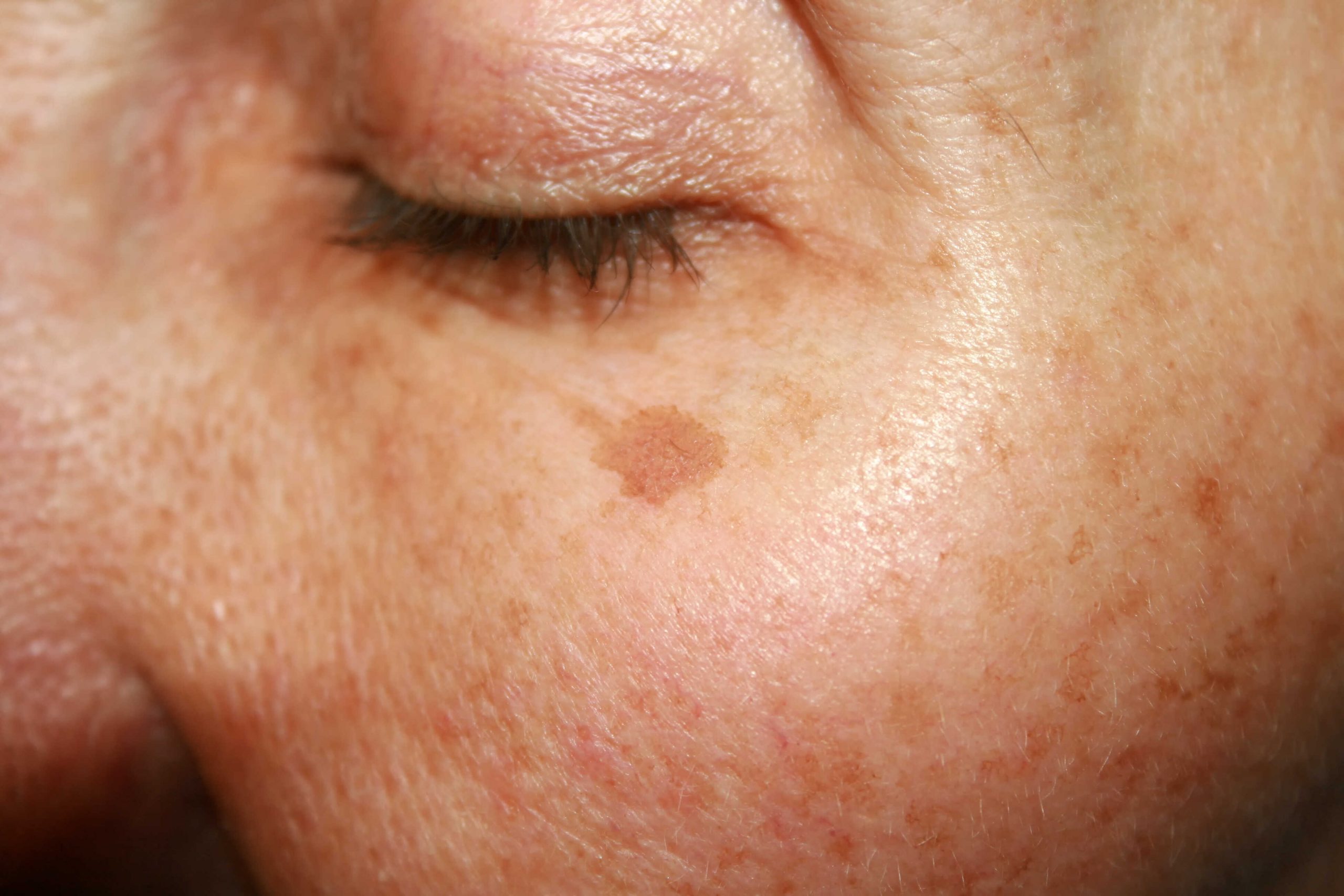
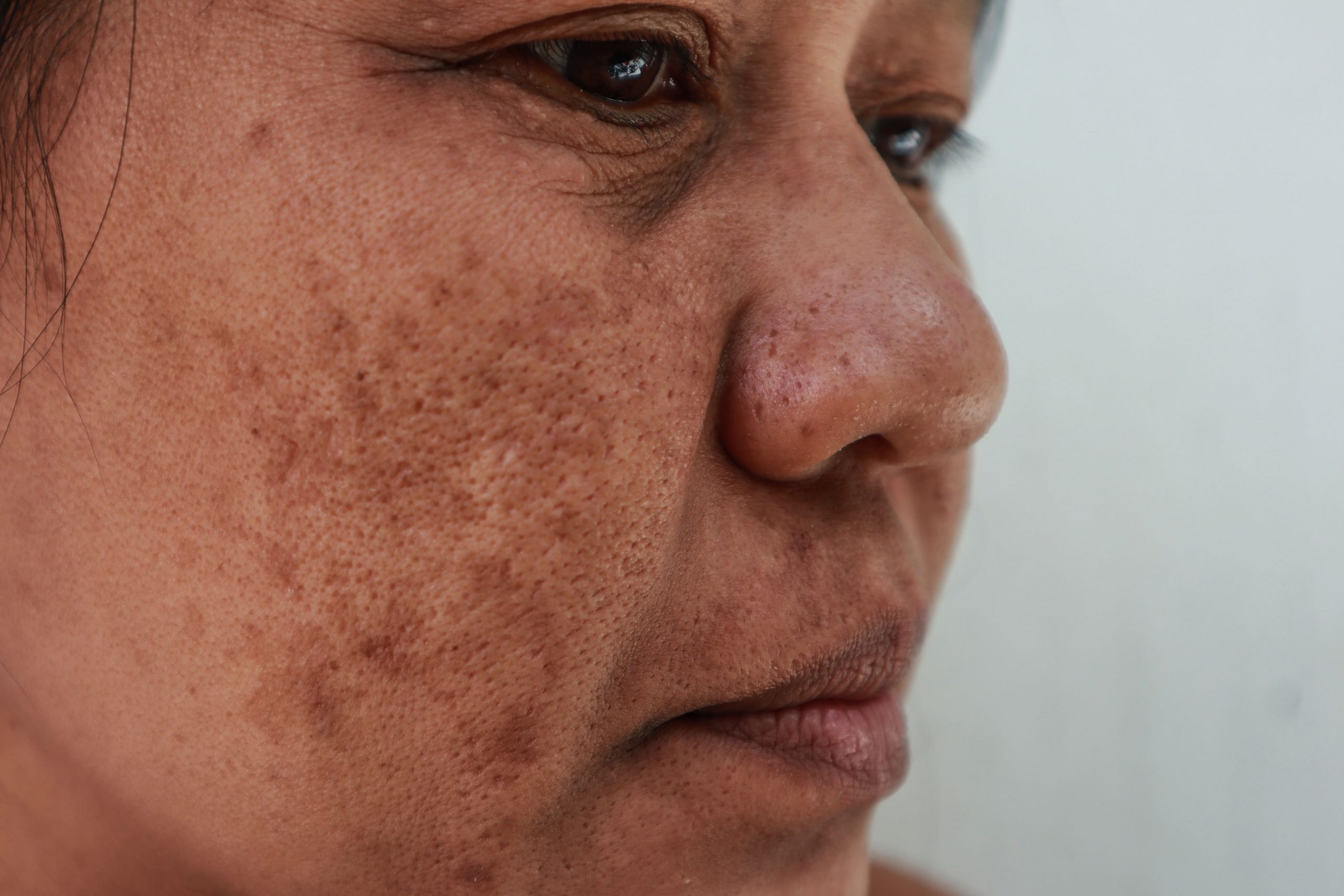
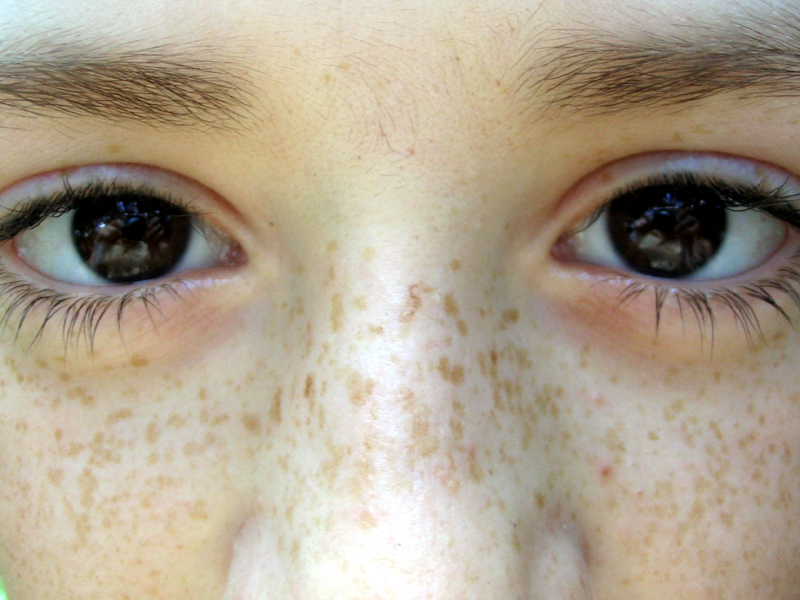
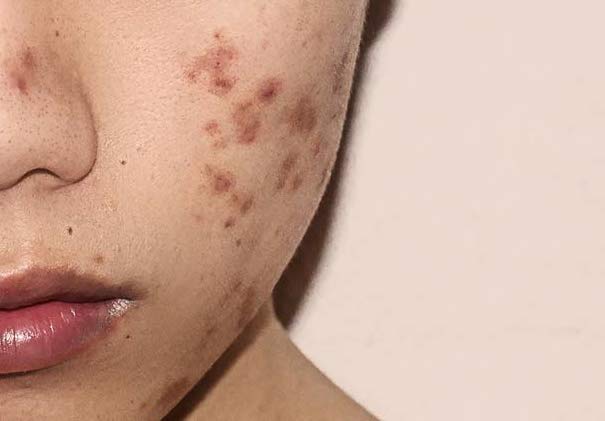
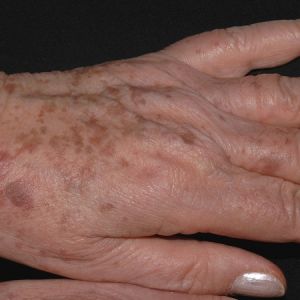
Hyperpigmentation treatment in Singapore addresses skin discolouration and darkening that appears across the face and body. Singapore sits almost on the equator, and the ultraviolet index here regularly climbs into the very high and extreme bands, which makes pigment concerns one of the most common reasons patients come through our doors. Most cases trace back to a small number of triggers:
- Prolonged UV exposure
- Hormonal fluctuations during pregnancy or with contraceptive use
- Genetics and inherited skin type
- Post-inflammatory changes following acne or skin injury
- Medical conditions such as Addison’s disease and haemochromatosis
Pigmentation is rarely dangerous, but it can be persistent. Early assessment helps identify the underlying cause, allowing a doctor to recommend an appropriate management strategy.
Book Appointment