A general practitioner manages a wide range of everyday health concerns. An aesthetic clinic operates within a focused scope of practice, sitting at the intersection of dermatology, surgical science, and regenerative medicine. This distinction matters because aesthetic procedures involve direct interaction with your skin architecture, soft tissue layers, and facial anatomy — structures that require specialist knowledge to assess and treat safely.
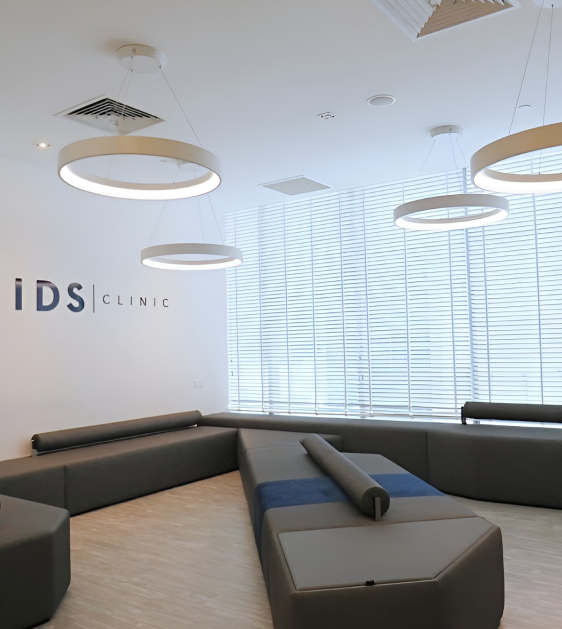
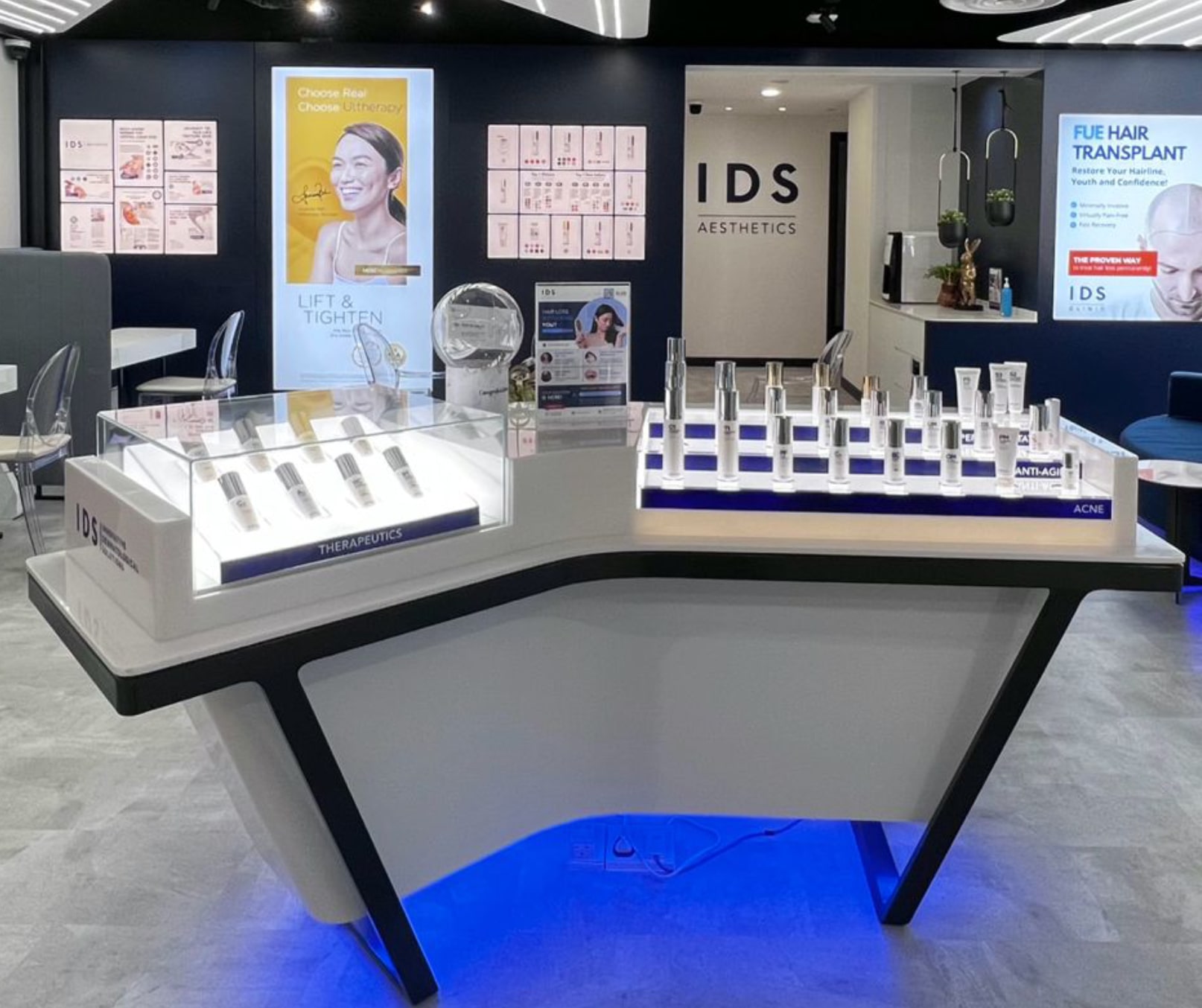
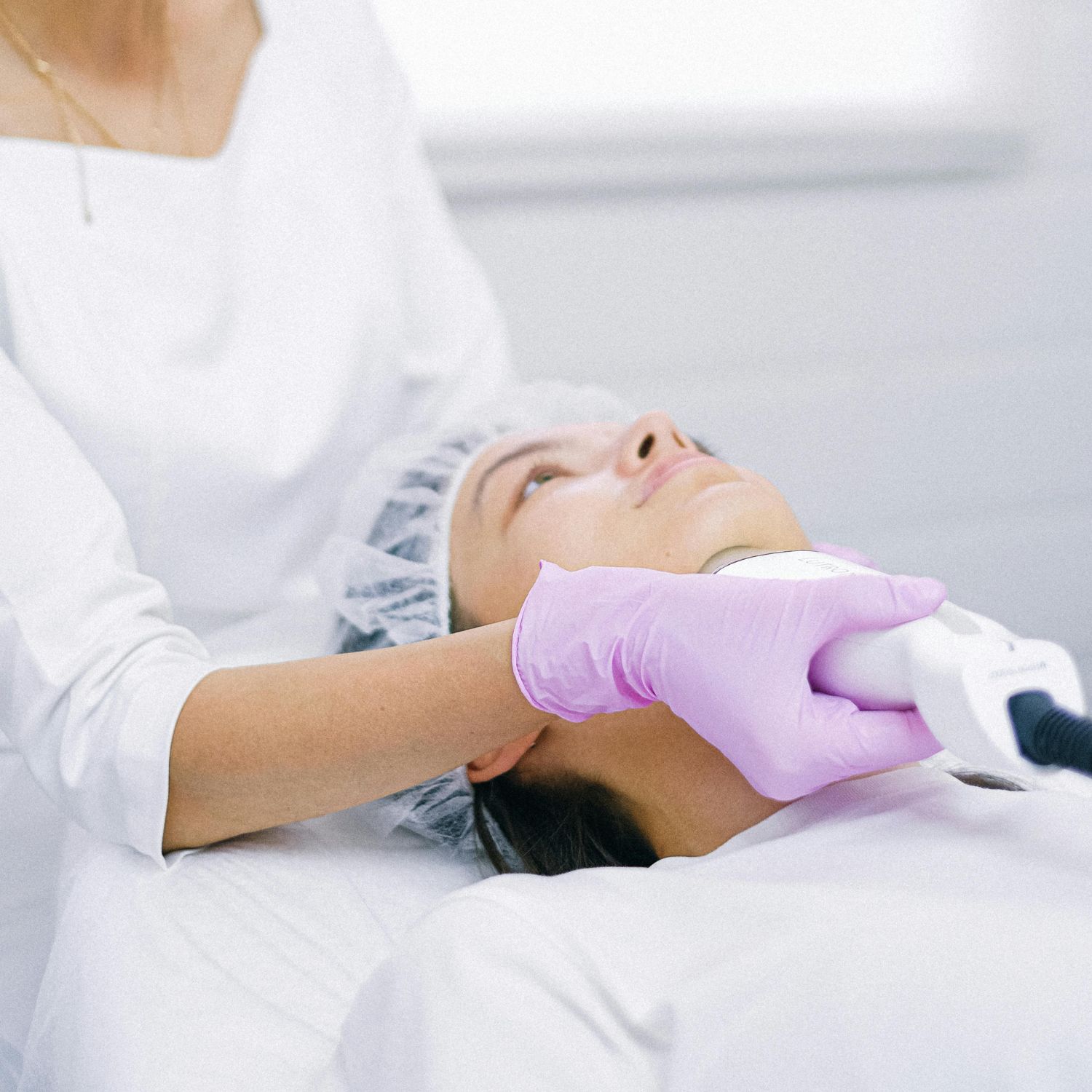
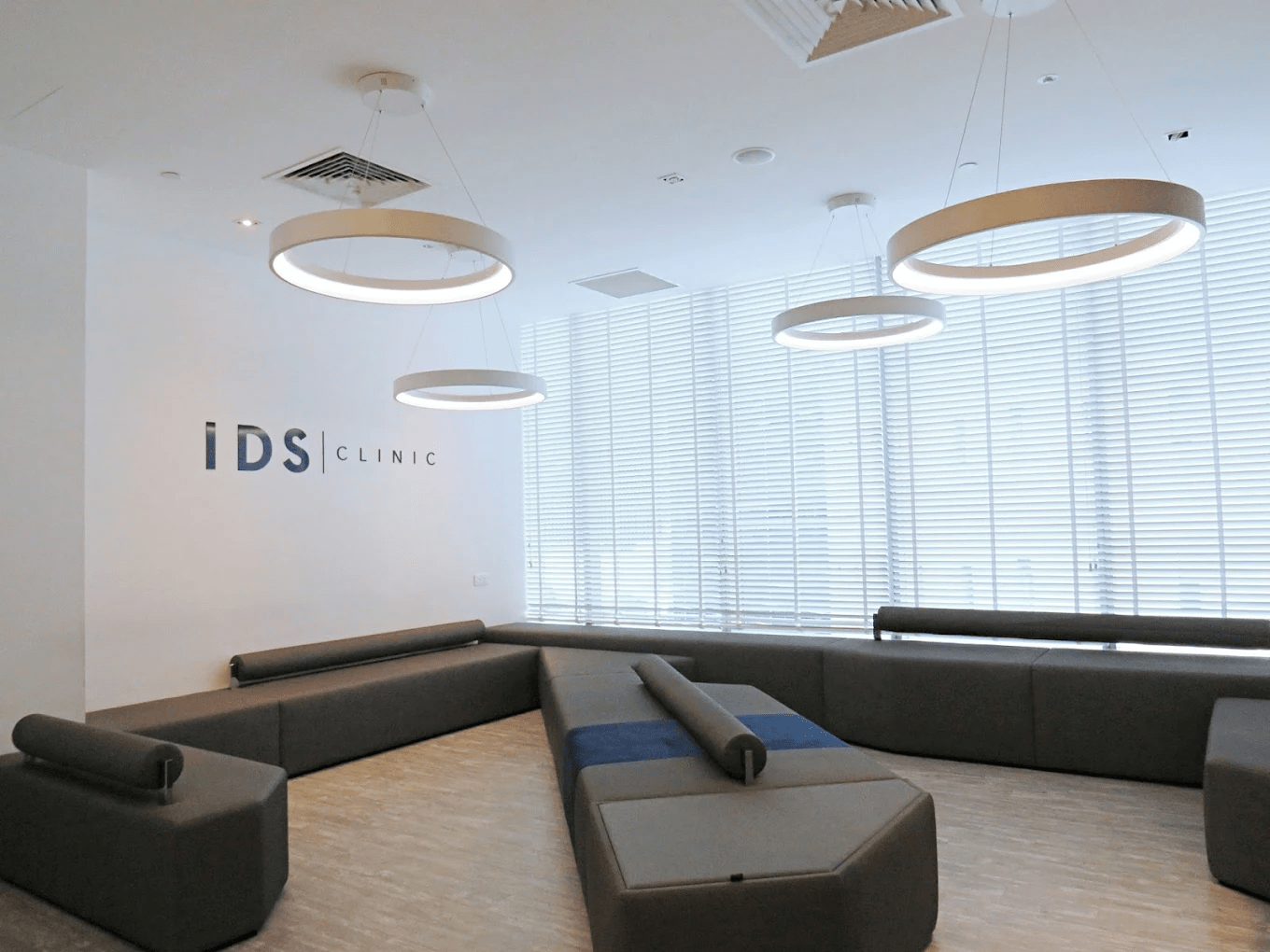
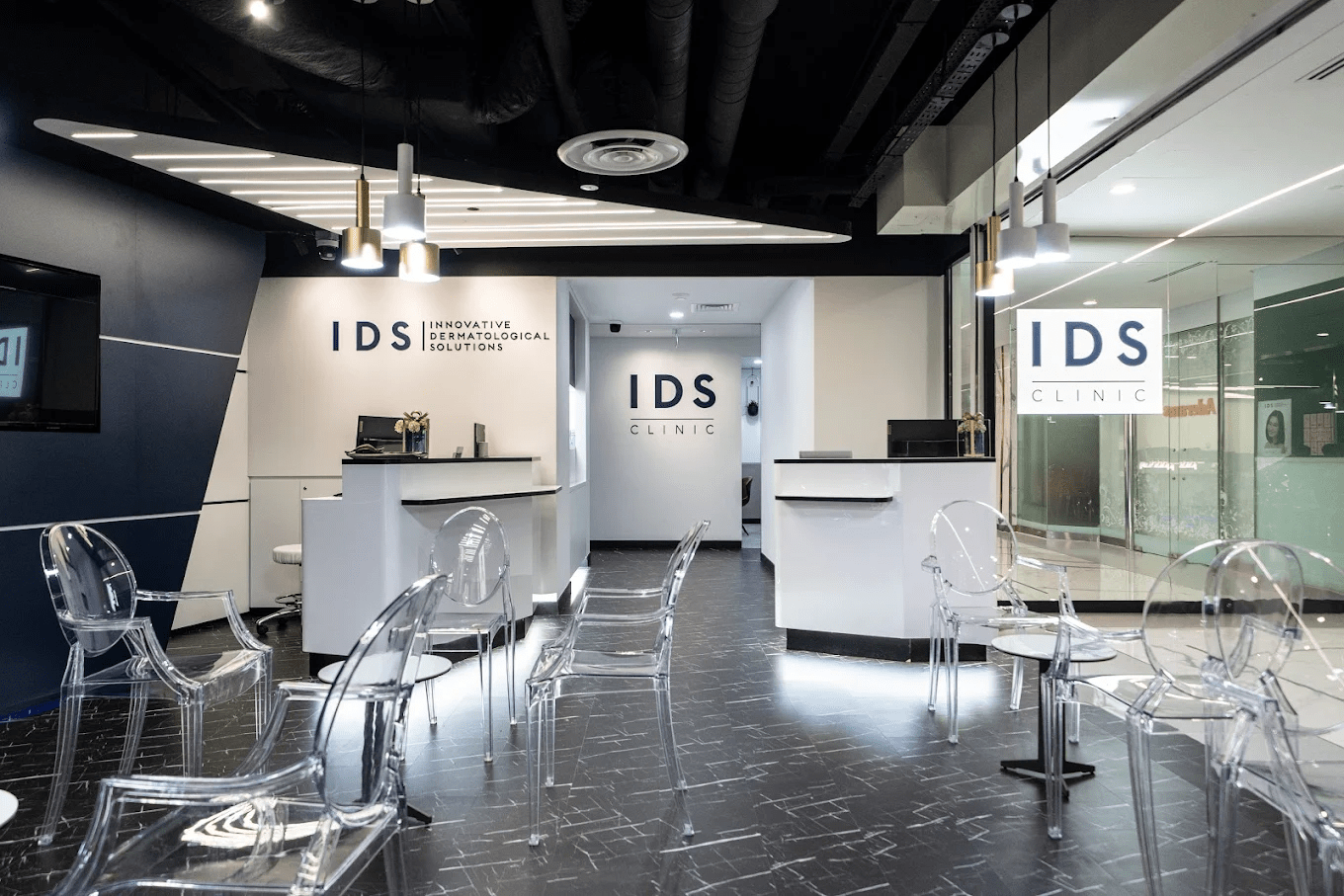
The clinical environment reflects this specialisation. Aesthetic clinics are typically equipped with diagnostic imaging tools, treatment-grade laser and energy-based devices, and sterile procedure rooms built for interventions that go well beyond a general practice setting.
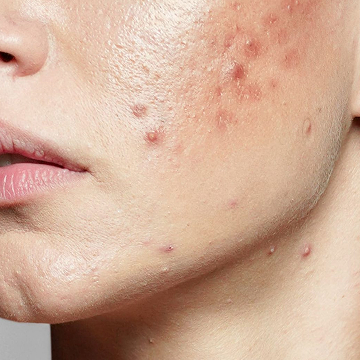
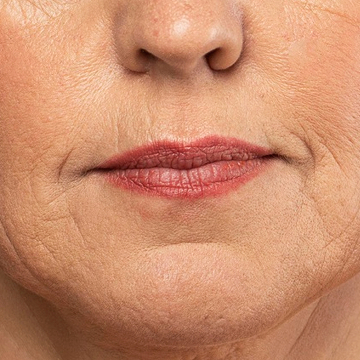
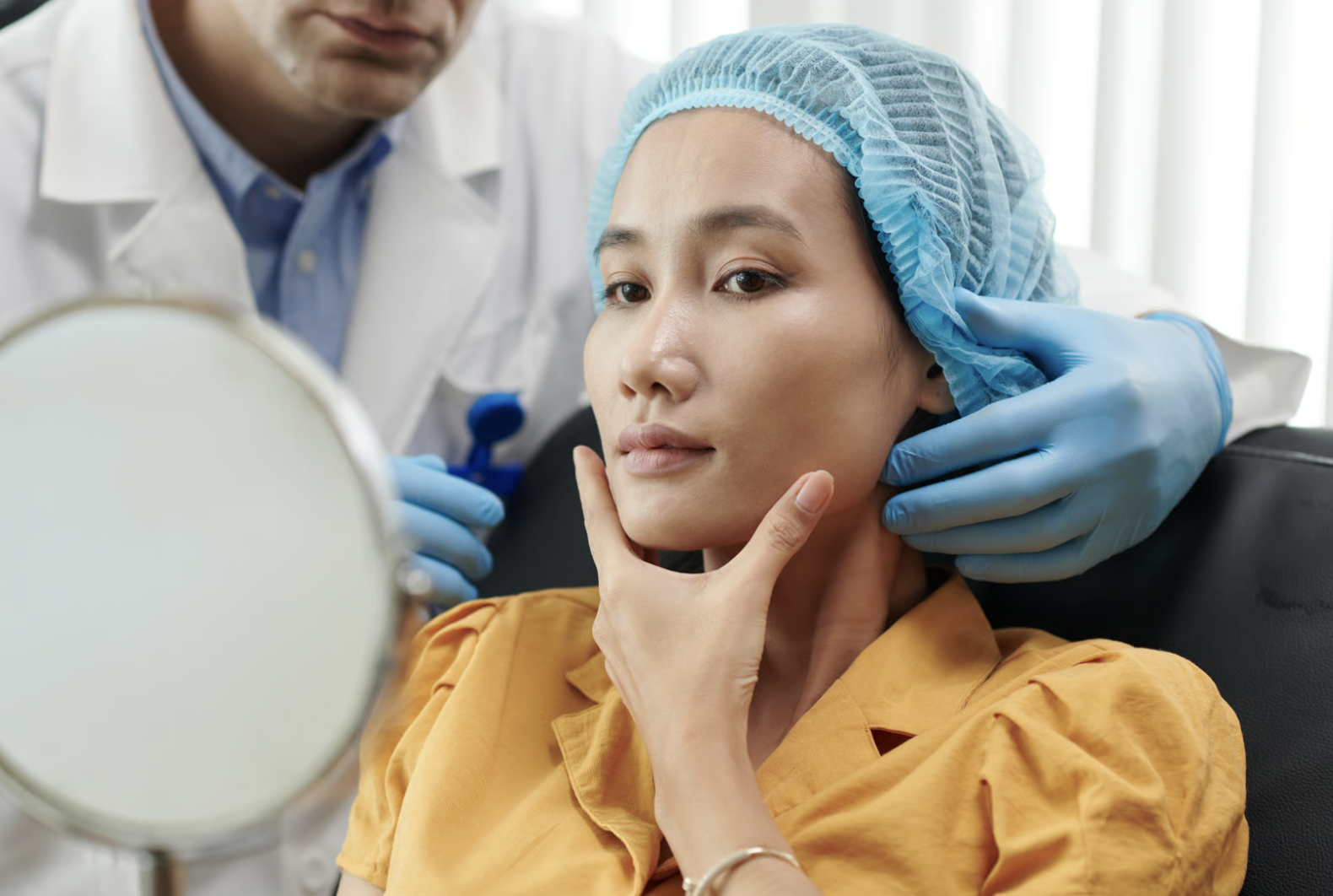
When you visit a medical aesthetic clinic, registered practitioners are trained to evaluate skin conditions comprehensively. They assess how your skin responds to light, how underlying tissue has changed over time, and how your biological profile may influence healing after a procedure. This depth of evaluation allows for a treatment plan that is genuinely personalised.
Safety protocols are an important consideration. In regulated clinical settings, equipment is maintained according to healthcare standards, and protocols are designed to help minimise potential complications. From skin preparation before a laser treatment to post-procedure monitoring, every step follows a clinical framework. This is particularly important in Singapore, where healthcare regulations set clear standards for the practice of aesthetic medicine.
The clinical environment, the qualifications of the team, and the equipment used all play a direct role in both your safety and the quality of your results.