Face & Skin

Acne Scar Laser Treatment in Singapore: An Information Guide

Living with acne scars can affect more than just your appearance. It can impact your confidence and how you feel in social and professional settings. If you’ve tried various skincare products and home remedies without seeing the improvements you hoped for, you’re not alone. This is a common concern among people in Singapore seeking solutions for acne scarring. Laser treatment has become a frequently chosen option.

Acne scar laser treatment can address various types of scarring. These include minor colour changes, where the skin appears darker or lighter than surrounding areas, and bigger differences in texture, like indentations or raised spots. This guide provides information about what the treatment involves, who may benefit from it, and what you can realistically expect. Understanding your options is the first step towards making an informed decision about your skin health.

Book Appointment
https://www.idsclinic.com/wp-content/uploads/2026/01/Untitled-design-3.jpgAcne Scar Laser Treatment in Singapore An Information Guide

What is Acne Scar Laser Treatment?

Acne scar laser treatment is a medical procedure that uses focused light energy to improve the appearance of acne scars. The treatment works by targeting damaged skin tissue and stimulating the body’s natural healing response. This promotes the production of new collagen, the protein responsible for skin structure and firmness.

When laser energy penetrates the skin, it creates controlled micro-injuries that trigger the regeneration process. As the skin heals, new tissue replaces the scarred areas. This can result in smoother, more even skin texture over time. Different laser types work at various depths and intensities, allowing practitioners to customise treatment based on your specific scar types and skin characteristics.

Acne scar laser treatment can address multiple scar varieties, including:

  • Ice pick scars: narrow, deep pits that extend into the dermis (the deeper layer of skin)
  • Boxcar scars: broad depressions with defined edges
  • Rolling scars: wave-like undulations caused by fibrous bands beneath the skin
  • Post-inflammatory hyperpigmentation: dark spots left after acne heals
  • Hypertrophic scars: raised, thickened scar tissue

The effectiveness of laser treatment depends on factors including scar type, skin tone, overall skin health, and adherence to pre- and post-treatment protocols. Patients may notice gradual improvement over several months as collagen remodelling continues. Collagen remodelling is the process by which your body rebuilds and reorganises skin structure.

Who May Be a Suitable Candidate for Acne Scar Laser Treatment?

Not everyone with acne scars will be suitable for laser treatment. Suitable candidates typically share certain characteristics that may support good outcomes:

  • Stable skin condition: Active acne should be well-controlled before pursuing scar treatment. Ongoing breakouts can compromise results and increase complication risks.
  • Good overall healt: Being in general good health supports proper healing after treatment.
  • Non-smokers: Smoking impairs healing and can affect treatment outcomes.
  • No history of keloid scarring: Those who form keloids, such as raised, thickened scars that grow beyond the original wound area, may not be suitable candidates for certain laser types.
  • Realistic expectations: Understanding that laser treatment may improve rather than completely erase scars helps with satisfaction with outcomes.
  • Commitment to aftercare: Willingness to follow sun protection and skincare protocols, such as daily sunscreen use and avoiding direct sunlight, is essential for effective results.
  • Appropriate skin type: Whilst modern lasers can treat various skin tones, some devices work better for specific Fitzpatrick skin types, a classification system that categorises skin by its response to sun exposure, ranging from very fair to very dark.
  • Adequate time for recovery: Being able to accommodate some social downtime, especially with ablative treatments or laser procedures that remove the outer layers of skin to promote new skin growth.

Contraindications

Certain conditions or circumstances may make laser treatment inadvisable or require special precautions:

  • Active acne or skin infections: Treatment should be postponed until the skin is clear and stable.
  • Pregnancy or breastfeeding: Many practitioners recommend waiting until after this period.
  • Recent isotretinoin use: A waiting period is typically advised after completing isotretinoin, a medication used to treat severe acne.
  • History of poor wound healing: Conditions affecting healing capacity may increase complication risks.
  • Autoimmune disorders: Some conditions, such as lupus or rheumatoid arthritis, may affect healing or increase sensitivity.
  • Recent sun exposure or tanning: Tanned skin increases the risk of pigmentation changes (unwanted darkening or lightening of treated areas).
  • Use of photosensitising medications: Certain drugs can increase skin sensitivity to light.
  • Unrealistic expectations: Expecting complete scar elimination may lead to dissatisfaction.

A thorough consultation with a qualified aesthetic doctor is essential to determine your suitability. During this assessment, your doctor will examine your scars, discuss your medical history, evaluate your skin type, and recommend an appropriate treatment approach tailored to your individual risk factors and goals.

Wondering if acne scar laser treatment may be suitable for you? Consult an aesthetic doctor who can evaluate your specific skin concerns and recommend an approach for your scar type and skin tone.

Book Consultation

Treatment Techniques & Approaches

Acne scar treatment encompasses several distinct technologies, each with specific mechanisms and applications. Your doctor can recommend an appropriate option based on your scar characteristics, skin type, and treatment goals.

Carbon Dioxide (CO2) Lasers (Ablative)

These lasers are considered ablative, meaning they work by removing thin layers of damaged skin tissue. This controlled removal stimulates significant collagen production during the healing process. CO2 lasers deliver light energy that removes damaged tissue layer by layer. Traditional CO2 lasers require longer recovery periods. Fractional CO2 technology treats only a fraction of the skin surface at a time, leaving islands of untreated tissue that can accelerate healing whilst still achieving substantial improvement. They are used for deeper scars and more pronounced textural irregularities.

Erbium YAG Lasers (Ablative)

These are also ablative lasers. Erbium YAG Lasers operate at a wavelength that is more precisely absorbed by water in skin cells. This results in less thermal damage, or heat-related injury, to surrounding tissue compared to CO2 lasers, potentially meaning shorter recovery times whilst still resurfacing scarred skin. They are effective for deeper scars and textural irregularities.

Fractional Non-Ablative Lasers

These systems heat the underlying skin tissue without removing the surface layer, offering improvement with minimal downtime. They are non-ablative and create microscopic columns of thermal injury deep within the skin whilst leaving the surface intact. These treatments stimulate collagen remodelling (the process of rebuilding and reorganising collagen fibres) from within. Multiple sessions are typically needed, though patients can usually resume normal activities quickly.

Pulsed Dye Lasers (PDL)

Pulsed Dye Lasers are a non-ablative treatment that targets blood vessels. They are frequently used for red or pink scars and post-inflammatory erythema (redness that remains after inflammation). They can help flatten raised scars and reduce redness associated with newer scarring. PDL is often used in combination with other lasers to address the vascular (red) component of acne scarring.

Picosecond Lasers

This technology delivers ultra-short pulses of energy measured in trillionths of a second. This rapid energy delivery creates a photoacoustic effect (a pressure wave that breaks up scar tissue), stimulating collagen and elastin production without significant thermal damage. (Elastin is a protein that helps skin return to its original shape after stretching.) Picosecond lasers may be suitable for Asian skin tones due to their lower risk of post-inflammatory hyperpigmentation, or the darkening of the skin after inflammation.

Radiofrequency (RF) Microneedling

This advanced technology combines traditional microneedling with radiofrequency energy. Tiny needles create controlled micro-injuries in the skin, while RF energy is delivered to the deeper dermal layers to generate controlled heat. This controlled heating significantly boosts the stimulation of new collagen and elastin production. RF Microneedling can address deeper scarring and textural issues, offering both resurfacing benefits and skin tightening. It is generally safe for all skin tones and may be used as a standalone treatment or integrated into a combination plan.

Technology & Equipment Considerations

Modern platforms often combine multiple wavelengths or treatment modes, allowing practitioners to address different scar types within a single session. Integrated cooling systems help protect the skin surface and improve comfort during treatment.
The choice of laser technology depends on several factors:

  • Scar depth and type: Deeper scars may respond better to ablative approaches (treatments that remove surface skin layers)
  • Skin tone: Darker skin types require careful wavelength selection to minimise pigmentation risks
  • Acceptable downtime: Different treatments involve varying recovery periods
  • Number of sessions: Non-ablative treatments typically require more sessions but involve less disruption

The Treatment Process

Understanding what happens before, during, and after your acne scar laser treatment helps you prepare adequately and know what to expect at each stage.

Pre-Treatment Preparation

Proper preparation begins several weeks before your scheduled treatment:

Initial Consultation: Your doctor will conduct a thorough skin assessment and photograph your scars for documentation and treatment planning. You’ll discuss your medical history, current medications, skincare routine, and treatment goals. This is the time to ask questions and address any concerns.

Skin Preparation Protocol

Depending on your skin type and chosen treatment, your doctor may recommend:

– Topical retinoids (vitamin A-based creams) to improve skin cell turnover and enhance treatment penetration

– Hydroquinone or other lightening agents for those prone to hyperpigmentation (darkening of the skin)

– Discontinuing certain medications or supplements that increase bleeding or photosensitivity (sensitivity to light)

– Strict sun avoidance and daily sunscreen use for several weeks before treatment

Day Before and Day of Treatment:

– Avoid alcohol and blood-thinning medications as advised

– Cleanse your face thoroughly without applying makeup, lotions, or sunscreen on the treatment day

– Arrange transportation home if sedation is planned

– Wear comfortable, loose-fitting clothing

During the Procedure

Arrival and Preparation: Upon arrival, your skin will be cleansed thoroughly to remove any oils or residue. Photographs may be taken for comparison purposes. Depending on the treatment intensity, a numbing cream is applied to your skin and left to take effect.

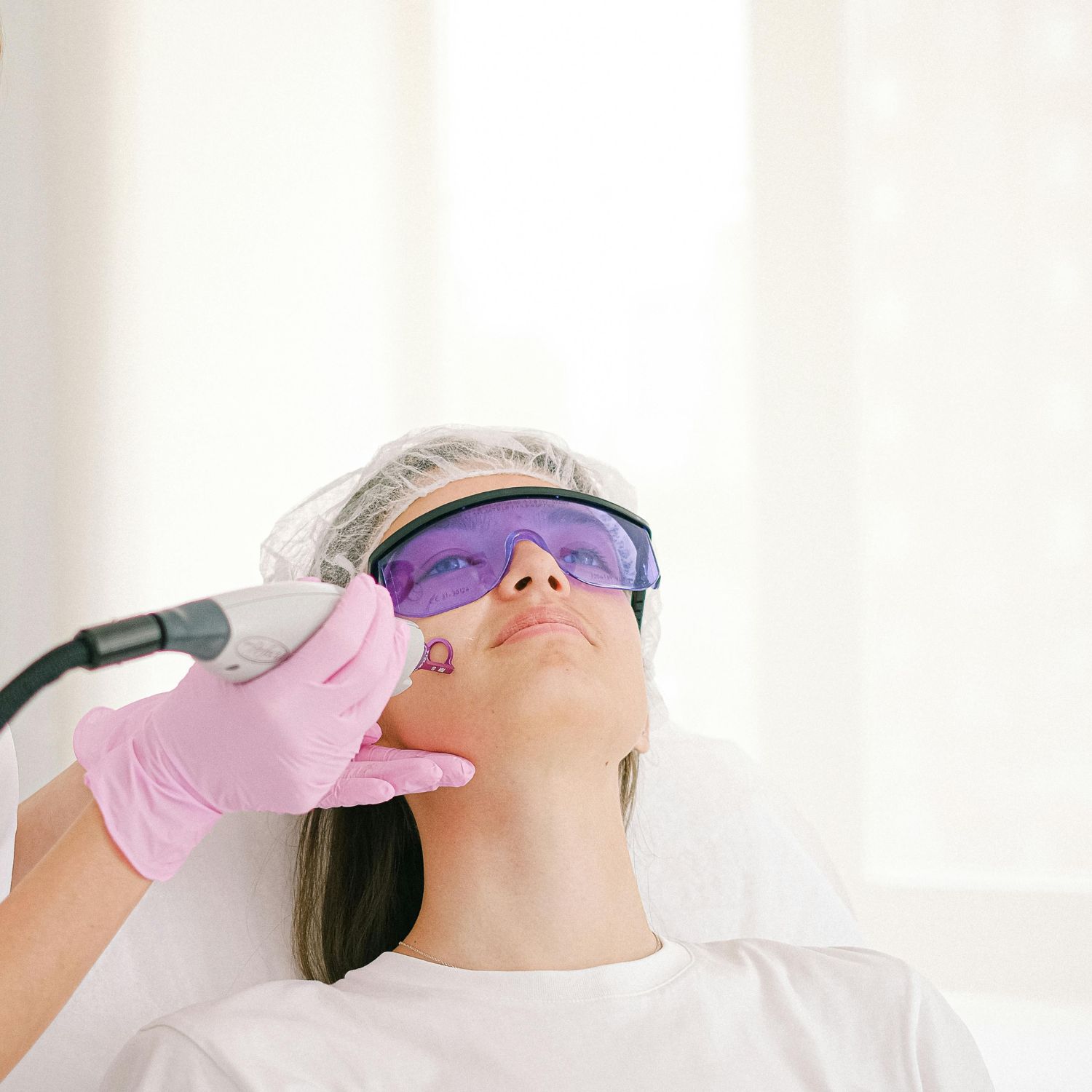
The Treatment: The duration varies based on the treatment area and technique, typically ranging from 30 minutes to a few hours for full-face treatment. You’ll wear protective eyewear throughout the procedure. The laser handpiece is systematically moved across the treatment area, delivering pulses of light energy. Many devices incorporate cooling systems to help minimise discomfort. Sensations during treatment vary by laser type. You may feel warmth, mild snapping sensations (like a rubber band lightly flicking your skin), or brief stinging. Response to discomfort differs among patients. More intensive ablative treatments (which remove thin layers of skin) may require additional numbing or mild sedation.

Completion: After treatment, soothing ointments or dressings may be applied. Your doctor will provide specific post-treatment instructions before you leave.

Immediate Post-Treatment

First Few Hours: Expect redness, warmth, and mild swelling—similar to sunburn. These effects are normal responses to treatment. Cold compresses can provide comfort. Avoid touching or picking at the treated area.

Before Leaving: You’ll receive detailed aftercare instructions, prescribed medications (such as antiviral prophylaxis if indicated), and contact information for any concerns. Follow-up appointments will be scheduled.

Getting Home: Plan for a quiet evening at home. Keep your head elevated to reduce swelling. Begin your prescribed aftercare routine as instructed.

Ready to learn more about what acne scar laser treatment involves? Our Aesthetic Specialists provide thorough pre-procedure consultations to make sure you're fully prepared.

Schedule Consultation

Recovery & Aftercare

Recovery experiences vary significantly depending on the type of laser treatment performed. Understanding what to expect helps you plan appropriately and supports effective results.

First 24 to 48 Hours

Ablative Treatments: Expect significant redness, swelling, and oozing during this period. The skin may feel raw and tender. You’ll need to apply prescribed ointments regularly to keep the skin moist and protected. Sleep with your head elevated on extra pillows to minimise swelling. Avoid any products not specifically approved by your doctor.

Non-Ablative Treatments: Mild to moderate redness and slight swelling are typical. Some patients experience a sandpaper-like texture. Most can apply gentle moisturisers and mineral sunscreen the following day. Makeup may be worn after a day or two if skin integrity is maintained.

Pain Management: Over-the-counter pain relievers like paracetamol, a medication that reduces pain and fever, usually suffice. Avoid aspirin and anti-inflammatory medications unless approved, as these can affect healing. Cool compresses provide comfort, though avoid ice directly on treated skin.

Warning Signs

Contact your doctor if you experience:

– Increasing pain rather than gradual improvement

– Signs of infection, such as unusual discharge, fever, or expanding redness

– Severe blistering or unexpected skin changes

– Allergic reactions to prescribed products

First Week

Days 3 to 5: For ablative treatments (procedures that remove the outer layer of skin), the oozing phase transitions to crusting and peeling. Resist the urge to pick at flaking skin, as this can cause scarring. Continue careful moisturisation and sun protection. Redness will still be prominent, but should begin gradually improving. Non-ablative patients (those who received gentler treatments that don’t remove the skin’s surface) typically see resolution of most initial effects within several days. Skin may appear slightly bronzed before shedding microscopic dead cells.

Daily Care Routine

– Gentle cleansing with approved products only

– Consistent application of healing ointments or moisturisers

– Absolute sun avoidance during peak hours

– High SPF broad-spectrum sunscreen if going outdoors is unavoidable

– No makeup on healing ablative-treated skin until cleared by your doctor

Follow-Up Appointments: Your doctor can assess healing progress and address any concerns. This appointment allows your doctor to ensure everything is progressing normally.

Long-Term Recovery

Weeks 2 to 4: Pink or red skin gradually fades. New skin continues to develop and strengthen. You may resume gentle skincare products as approved. Mineral makeup can usually be worn once skin has fully healed.

Months 1 to 3: Collagen remodelling (the process by which your body produces new collagen, a protein that gives skin its structure and firmness) continues. Progressive improvement in scar appearance may follow. Residual pinkness typically resolves completely. Your doctor may recommend starting retinoids (vitamin A-based products that promote skin cell turnover) or vitamin C serums to support results. Additional treatment sessions may be scheduled during this period.

Ongoing Care: Long-term sun protection is important for maintaining results and preventing hyperpigmentation (darkening of the skin). Consistent skincare with collagen-supporting ingredients may help preserve improvements. Annual check-ups allow your doctor to monitor your skin and recommend maintenance treatments if desired.

The full results of acne scar laser treatment often take several months to become apparent. Collagen remodelling is a gradual process. Patience during this period is important.

Untitled design 4 Untitled design 4

Potential Benefits of Acne Scar Laser Treatment

When performed by a qualified doctor, acne scar laser treatment may offer several potential benefits:

  • Improved skin texture: Laser treatment can help smooth uneven surfaces and reduce the depth of depressed scars.
  • Reduced scar visibility: Complete elimination isn’t realistic, but improvement in scar appearance may be achievable.
  • Enhanced skin tone: Treatment can help address pigmentation irregularities (uneven colouring or dark spots) associated with post-acne marks.
  • Stimulated collagen production: The healing response promotes new collagen formation (collagen is a protein that gives skin its structure and firmness), which may support overall skin quality.
  • Customisable approach: Various laser types and settings allow treatment tailored to your specific needs.
  • Treatment of multiple scar types: Different laser technologies can address various scar types (such as rolling scars, boxcar scars, or ice pick scars) within a treatment plan.
  • Long-lasting results: Improvements from collagen remodelling (the process where new collagen replaces old, damaged tissue) may be maintained with proper skincare.
  • Reduced complication risk: Fractional technologies treat only portions of skin, which helps lower complication rates.
  • Combination potential: Laser treatment can be integrated with other approaches like subcision (a minor procedure where the doctor releases scar tissue beneath the skin) or fillers for scar management.
  • Psychological benefits: Patients may report improved confidence and quality of life following treatment.

Outcomes differ among patients based on factors including scar severity, skin type, number of treatments, and adherence to aftercare protocols. Your doctor can discuss what results you may realistically expect based on your specific situation during your consultation.

Risks & Potential Complications

Like all medical procedures, acne scar laser treatment carries certain risks. Understanding these helps you make an informed decision and recognise any concerns during recovery.

Common Side Effects

These expected effects typically resolve without intervention:

  • Redness (erythema):  Universal after treatment, lasting days to weeks depending on treatment intensity. Usually fades completely with time.
  • Swelling: Most pronounced in the first couple of days. Elevation and cold compresses help.
  • Crusting and peeling: A normal part of healing, especially with ablative treatments (procedures that remove thin layers of skin). Keeping skin moist minimises discomfort.
  • Itching: Common as skin heals. Avoid scratching. Moisturisers help relieve symptoms.
  • Dryness and sensitivity: Treated skin may feel tight and react more to products. Use gentle, approved skincare.
  • Temporary darkening: Some darker skin types experience transient hyperpigmentation (darkening of the skin) that typically resolves with proper care.

Rare Complications

Less common but more significant risks include:

  • Prolonged redness: Redness lasting beyond expected timeframes may require additional management.
  • Post-inflammatory hyperpigmentation (PIH): Darkening of the skin following treatment, frequently seen in darker skin types. Usually temporary, but can take months to resolve. Proper pre-treatment preparation can help reduce risk.
  • Hypopigmentation: Lightening of treated skin, frequently seen with intensive settings or in darker skin. It may be permanent in some cases.
  • Infection: Bacterial, viral (such as cold sores caused by herpes simplex virus), or fungal infections can occur. Prophylactic antivirals or medications that prevent viral infections are often prescribed for those with a history of cold sores.
  • Scarring: Rare with proper technique but possible, particularly if you don’t follow post-care instructions.
  • Poor wound healing: More likely in smokers or those with certain medical conditions.
  • Acne flare: Some patients experience temporary breakouts following treatment.
  • Milia: Small white cysts (tiny bumps containing trapped skin cells) that can develop during healing. Usually easily treated.

Risk minimisation involves choosing a qualified healthcare professional with experience in laser treatments, following all pre- and post-treatment instructions carefully, and maintaining open communication about any concerns during recovery. Proper patient selection and appropriate laser settings for your skin type play a vital role in reducing complication rates.

Cost Considerations


Treatment Variables Affecting Cost
  • Type of laser technology used (ablative treatments, which remove thin layers of skin, generally cost more per session)
  • Treatment area size (full face versus localised scarring)
  • Number of sessions required (typically several for meaningful improvement)
  • Severity and type of scarring
  • Combination treatments (adding subcision, fillers, or chemical peels)
What May Be Included
  • Initial consultation and skin assessment
  • Pre-treatment skincare products (sometimes additional)
  • The laser procedure itself
  • Post-treatment care products
  • Follow-up appointments
Value Considerations When evaluating treatment costs, consider the long-term value rather than just the immediate price. Quality care from a qualified doctor may have higher upfront costs, though outcomes differ among patients based on individual health factors and response to treatment. During your consultation, you’ll receive a personalised treatment plan with associated costs based on your specific needs. This supports you in making an informed decision that considers both your goals and budget.

Conclusion

Acne scar laser treatment offers an option for those seeking to improve the appearance of scarring and achieve smoother, more even skin texture. With various laser technologies available, treatments can be tailored to address your specific scar types, skin tone, and lifestyle considerations.

The journey towards improved skin involves careful planning, proper preparation, and commitment to aftercare protocols. Outcomes differ among patients, and complete scar elimination isn’t realistic, though patients may achieve improvements that positively impact their confidence and quality of life.

Choosing a qualified aesthetic doctor with experience in laser treatments helps you receive appropriate care tailored to your needs. A thorough consultation allows you to understand your options, set realistic expectations, and develop a treatment plan aligned with your goals. If you’re considering acne scar treatment, schedule a consultation with a qualified healthcare professional to discuss whether laser therapy may be suitable for you.

Frequently Asked Questions

How many acne scar laser treatment sessions will I need?

The number of sessions varies based on your scar severity, scar types, and chosen treatment approach. Treatment sessions are spaced several weeks apart. Non-ablative treatments, which use gentler lasers that don’t remove skin layers, typically need more sessions than ablative procedures, which remove thin layers of skin to promote healing. During your consultation, your doctor will assess your scars and provide a treatment plan tailored to your individual needs. Outcomes differ among patients based on individual scar characteristics and healing response.

Is acne scar laser treatment painful?

Discomfort levels vary by laser type and individual pain tolerance. Patients commonly describe sensations ranging from mild warmth to a snapping feeling against the skin. Topical numbing cream is routinely applied before treatment to reduce discomfort. More intensive ablative treatments may require stronger pain relief options. Your doctor can discuss pain management options appropriate for your chosen treatment.


How long until I see results from my acne scar laser treatment?

Initial improvements may be visible once healing completes, typically within a couple of weeks for non-ablative treatments and a few weeks for ablative treatments. Improvements may develop over several months as collagen remodelling progresses (your skin naturally rebuilds its supporting structure). Results may continue improving between sessions and for several months after completing treatment. Response times vary depending on your body’s healing and regeneration processes.

Can laser treatment completely remove my acne scars?

Complete scar elimination is rarely achievable with any treatment, including laser. Improvement—often a reduction in scar appearance—may be possible. The degree of improvement depends on several factors:

  • Scar type and depth
  • Your skin’s healing capacity
  • The number of treatments you undergo

Your doctor will work with you during the consultation to set realistic expectations based on your specific situation.

Is acne scar laser treatment safe for darker skin tones?

Modern laser technologies have expanded treatment options for darker skin types, though additional precautions are necessary. Certain wavelengths and devices—particularly picosecond lasers (ultra-short pulse lasers) and some fractional non-ablative lasers—carry lower risks of pigmentation changes in darker skin. Your doctor will select appropriate technology and settings for your Fitzpatrick skin type (a classification system that categorises skin tones and their response to sun exposure). Pre-treatment preparation and post-treatment sun protection are important for minimising hyperpigmentation risks (darkening of treated areas).

When can I return to work after acne scar laser treatment?

Downtime depends on treatment intensity. Non-ablative treatments often allow you to return to work the next day with minimal visible effects. Mild ablative or fractional treatments may require several days before social activities. More intensive ablative treatments can require a week or two for initial healing. Residual redness may last longer. Consider your professional requirements and social calendar when planning treatment timing with your doctor.

Can acne scar laser treatment be combined with other procedures?

Yes, combination approaches are commonly used. Complementary treatments include:

  • Subcision (a minor procedure where the doctor releases scarred tissue that’s pulling skin downward)
  • Dermal fillers (injectable substances that elevate depressed scars)
  • Chemical peels
  • Microneedling (using tiny needles to stimulate collagen production)

Your doctor may recommend a multi-modal treatment plan tailored to your individual risk factors and specific scar types and characteristics. These combinations are typically performed in staged sessions to allow proper healing between procedures.

What happens if I get sun exposure after treatment?

Sun exposure after laser treatment significantly increases the risk of hyperpigmentation (darkening of the skin) and can compromise results. Treated skin is highly photosensitive (extra-sensitive to sunlight) during healing. Sun avoidance and diligent sunscreen use (high SPF, reapplied regularly when outdoors) are important for several months following treatment. If sun exposure occurs, contact your doctor for guidance on managing any resulting pigmentation changes.

Speak with our aesthetic doctors to find a tailored acne scar laser approach for your specific skin concerns.

Book Your Consultation Today

Our Doctors

VIEW ALLRight arrow icon used for website navigation
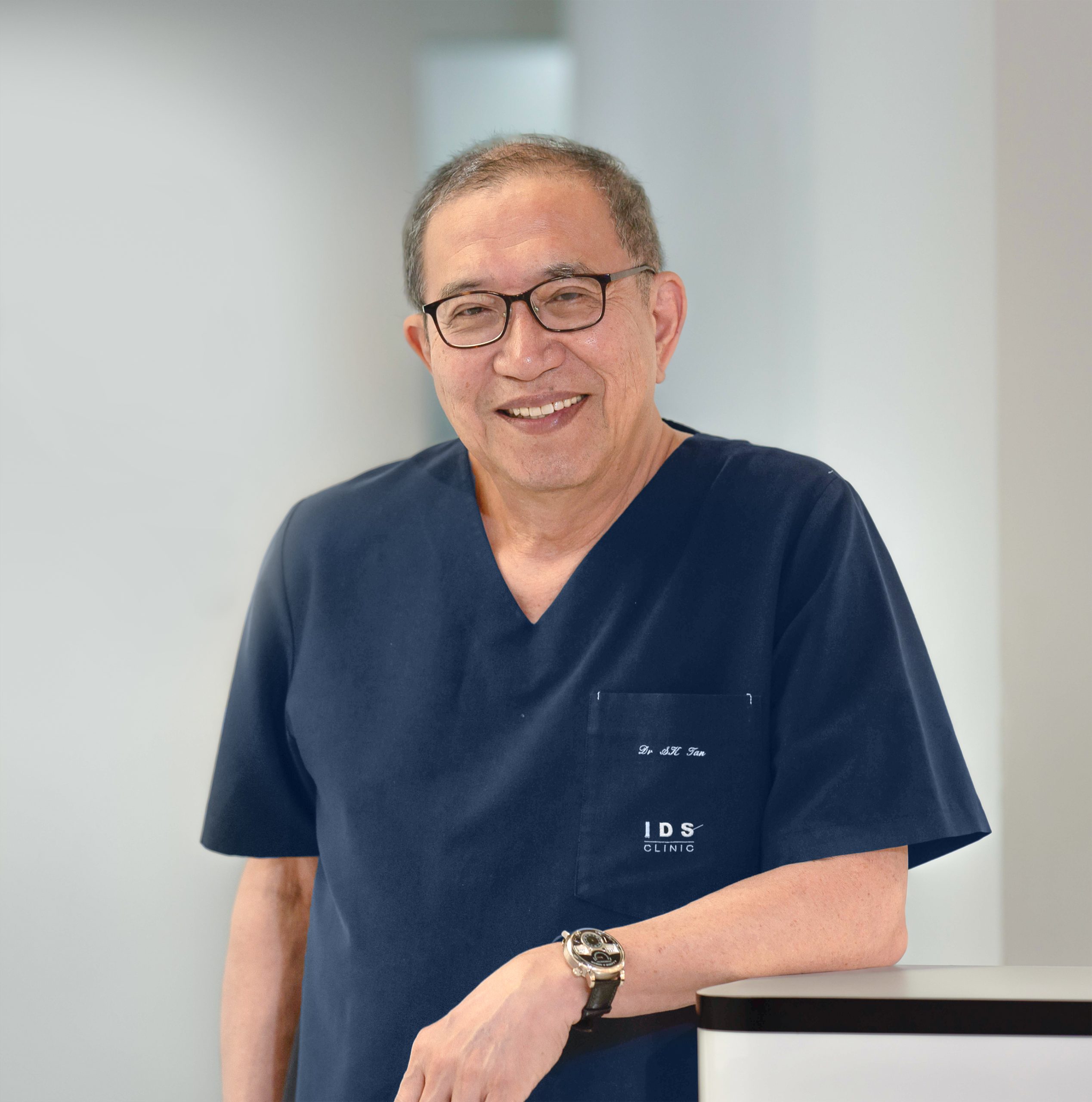
Clinic portrait of Dr SK Tan in medical attire

Dr. SK Tan

Special Interest

  • Hyper-pigmentation
  • Anti-Aging
  • Acne
  • Acne Scarring
  • Ingredient Studies

Dr. SK Tan

Dr Tan graduated in 1971, with a Bachelors of Medicine (MB) and a Bachelors of Surgery (BS) from the University of Malaya. Dr Tan’s interest in dermatology led him to train at the St John’s Institute of Dermatology in London in the 1970s and he has since been focused in the field of aesthetic dermatology.

  • MBBS
  • Diploma in Venereology (University of London)
  • Diploma in Dermatology (University of Wales)
  • Diploma in Cosmetic Science (UK)
  • Master of Business Administration
  • Fellow of the American Academy of Dermatology (FAAD)

He is a member of numerous medical associations, including the American Academy of Dermatology, the International Society of Cosmetic Laser Surgeons, and the International Academy of Cosmetic Dermatology. Dr Tan was one of the first local doctors to be certified by the American Board of Anti-Aging Medicine. His personal interest in pigmentary disorders and acne has also led him to become an International Member of the Pigmentary Disorders Society of India, the Asian Society of Pigment Cell Research, and the American Acne and Rosacea Society (AARS).

Dr Tan’s work has led him to be invited to speak at numerous international conferences in the US, Europe and throughout the Asia Pacific region. He is a co-editor of “Handbook of Cosmetic Microbiology”, a reference book published by Marcel Dekker, and his papers have been published in the Journal of Cosmetic Dermatology, International Journal of Dermatology, Journal of the European Academy of Dermatology and Venereology, Journal of Cosmetic and Laser Therapy, and Expert Review of Dermatology, and has contributed a chapter in the reference book ‘Pigmentary Disorders: A Comprehensive Compendium’.

Special Interest

  • Hyper-pigmentation
  • Anti-Aging
  • Acne
  • Acne Scarring
  • Ingredient Studies
Make An Enquiry
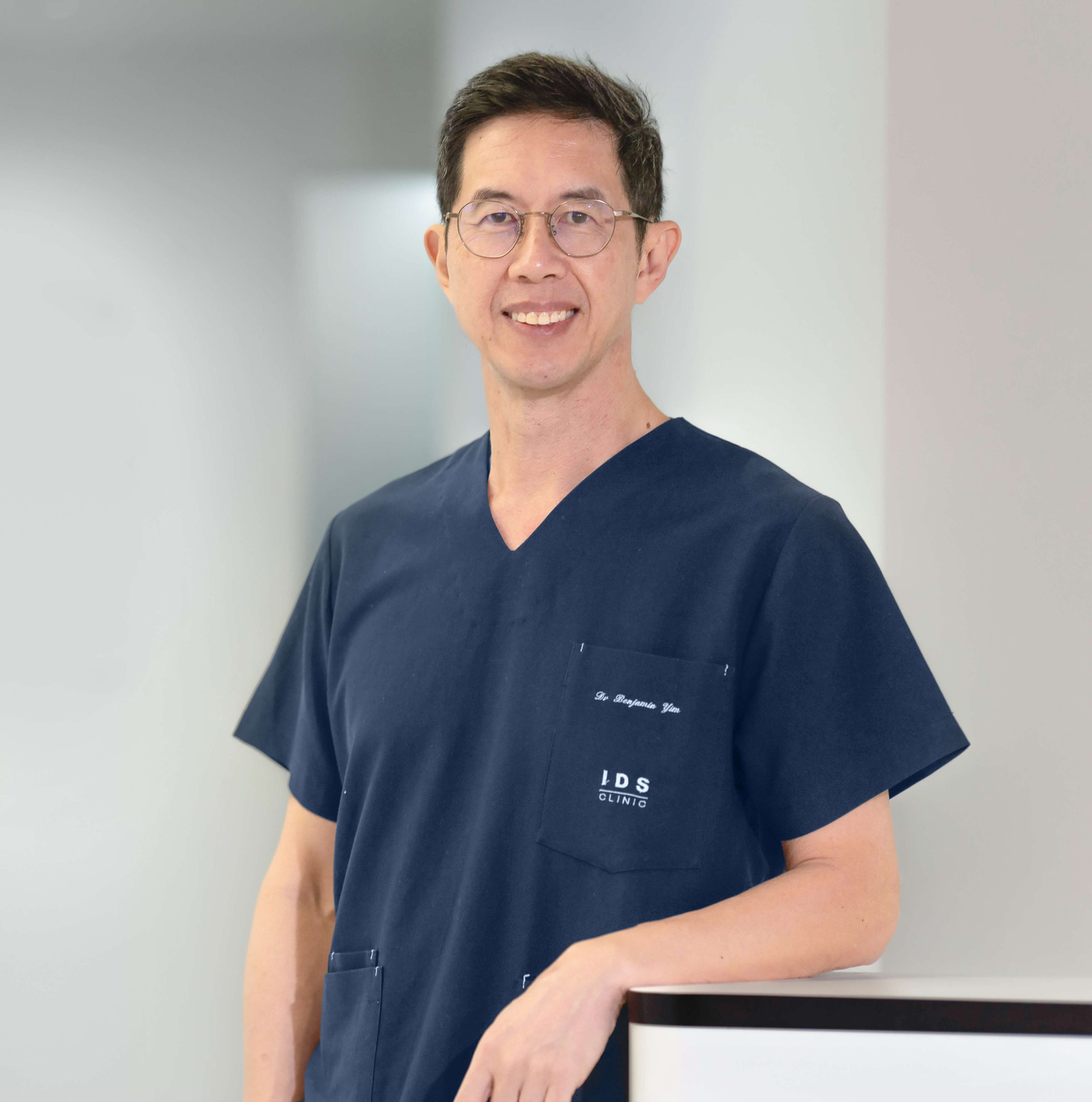
Portrait of Dr Ben Yim at IDS Clinic Singapore

Dr. Ben Yim

Special Interest

  • Anti-aging
  • Hyper-pigmentation
  • Body-Contouring
  • Fat Reduction

Dr. Ben Yim

Dr Yim graduated from Monash University in Australia with a Bachelor of Medicine and Bachelor of Surgery degree. He has also earned a Master of Science in Clinical Dermatology from the University of London and more recently in Non-Surgical Facial Aesthetics from Anglia Ruskin University in UK, as well as a Graduate Diploma in Family Physicians in National University of Singapore.

  • M.B.B.S (Monash University) 1994
  • Diploma Practical Dermatology (University of Wales College of Medicine) 1998
  • MSc. Clinical Dermatology (University of London) 1999
  • MBA (University of Chicago) 2011
  • MSc Non-Surgical Facial Aesthetics (Anglia Ruskin) 2018
  • GDFM (NUS) 2019

Dr Yim has been practicing aesthetic medicine in private practice since 2000. The former director of Clinical Aesthetics & Laser Centre has been offering a wide armamentarium of aesthetic services including Botulinum Toxins, fillers for facial enhancement, skin tightening, fractional lasers, threadlifts, and non-invasive body contouring treatments.

As a trainer for Allergan Medical Institute in Singapore, Dr Yim has been invited to speak and train for numerous aesthetic workshops and conferences including “The Advanced Facial Anatomy and Injectables Workshop”, Botulinum Toxins and Filler injectable training workshops organized by Allergan, “The Singapore Disease Conference 2008” and “1st International Conference on Healthcare Transformation 2008” and Forum for Professional Self-regulation jointly organized by the SingHealth Centre for Health Services Research and the NUS Medical Society, to name a few.

Dr Yim comes from a family of four doctors, all in private practice in family medicine. Despite the move into full-time aesthetic medicine, Dr Yim has also taken an interest in family medicine pursuing a Master degree in Medicine in Family Medicine in NUS in which he hopes to complete in 2020.

Outside of his profession, Dr Yim also actively participates in social projects such as tattoo laser removal for prison inmates and teenage delinquents. For leisure, he enjoys golf, reading, playing the piano and running – he has participated in several half-marathons.

Special Interest

  • Anti-aging
  • Hyper-pigmentation
  • Body-Contouring
  • Fat Reduction
Make An Enquiry
Portrait of Dr Michelle at IDS Clinic Singapore

Dr. Michelle Wong

Special Interest

  • Acne
  • Acne Scarring
  • Focused Ultrasound Lifting
  • Skin Brightening
  • Cryo based Treatment

Dr. Michelle Wong

Dr Michelle Wong graduated from The University of Melbourne, Australia with a Bachelors of Medicine, Bachelors of Surgery and Bachelors of Medical Science. She obtained her post-graduate Diploma in Clinical Dermatology with Distinction from the Queen Mary University of London, and holds a Diploma in Aesthetic Medicine with the American Academy of Aesthetic Medicine (AAAM).

  • MBBS from The University of Melbourne, Australia
  • Diploma in Clinical Dermatology from Queen Mary University of London
  • Diploma in Aesthetics Medicine from American Academy of Aesthetic Medicine
  • Diploma in Cosmetic Science (UK)

In aesthetics, Dr Wong believes she has discovered her ikigai – the intersection of what she is both good at and loves doing. Her preferred tools of the trade are injectables such as Botulinum Toxins & fillers, which she wields with finesse and intuition - often achieving what her patients desire but cannot express through words. Out of passion and interest, she regularly attends conferences and workshops, eager to learn about the latest treatments and techniques to further hone her craft.

Combining the science of medicine with the art of beauty, Dr Wong provides an honest consult to help her patients achieve their skincare and beauty goals. She believes in understated elegance – a focus on a less-is-more approach - and works to enhance her patients’ natural features whilst instilling self-confidence. Her reassuring and gentle approach puts patients at ease allowing her to achieve maximum results through safe and effective procedures.

In her free time, Dr Wong enjoys taking long walks with her dog at the park. Her family praises her inner domestic goddess that can whip up an impressive variety of home-cooked meals. She is also active in church medical missions and believes in contributing back to society through her God-given gifts and talents.

Special Interest

  • Acne
  • Acne Scarring
  • Focused Ultrasound Lifting
  • Skin Brightening
  • Cryo based Treatment
Make An Enquiry
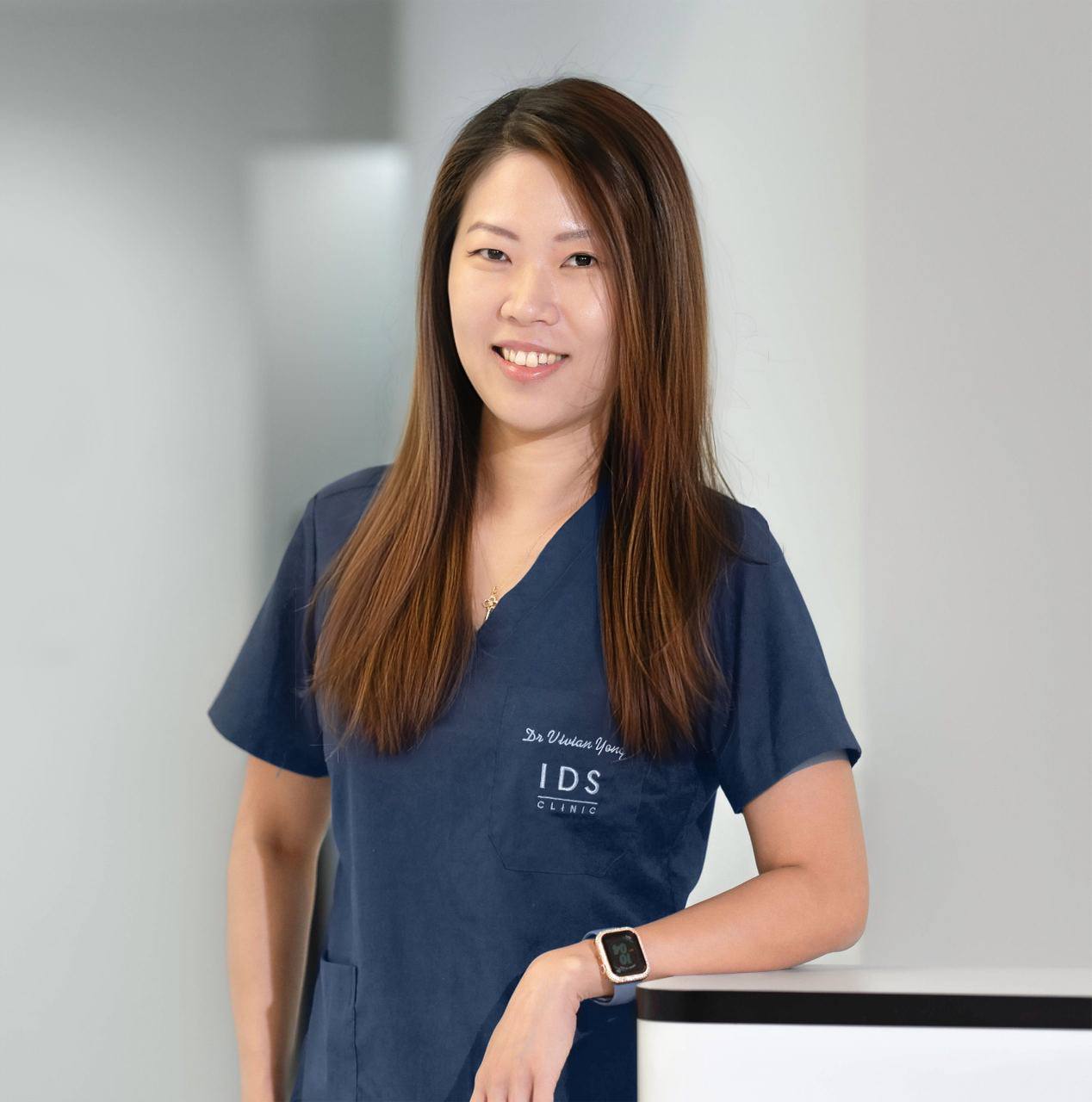
Medical professional portrait taken in clinic environment

Dr. Vivian Yong

Special Interest

  • Acne
  • Acne Scarring
  • Fillers
  • Neurotoxin Injection - Botulinum Toxins
  • Face Lifting
  • Facial Enhancement

Dr. Vivian Yong

Dr Vivian Yong graduated from National University of Singapore in 2006, and has an experience of more than 10 years in Aesthetics. She has also accumulated extensive surgical skills and experience from various rotations in general surgery, ophthalmology, and ENT.

  • MBBS
  • GDFM

Dr Vivian has always had a natural inclination towards science subjects and this led her into medicine. During her medical graduate days, she developed a keen interest in Aesthetics and Skincare, and she believes that Aesthetics is one area that allows her to help a patient achieve their ideal artistic expression based on science. While Dr Vivian is always keen to accommodate her patients’ needs, she ensures that their welfare remains the utmost priority. This is why Dr Vivian is loved by her patients for always being meticulous and attentive to details.

Dr Vivian’s eye for beauty goes beyond aesthetics. Outside the clinic, Dr Vivian loves to spend her time in leather crafting and jewelry making, transforming basics into beauty. She also loves spending her quiet time exercising in the gym or chilling at home with her loved one.

Special Interest

  • Acne
  • Acne Scarring
  • Fillers
  • Neurotoxin Injection - Botulinum Toxins
  • Face Lifting
  • Facial Enhancement
Make An Enquiry
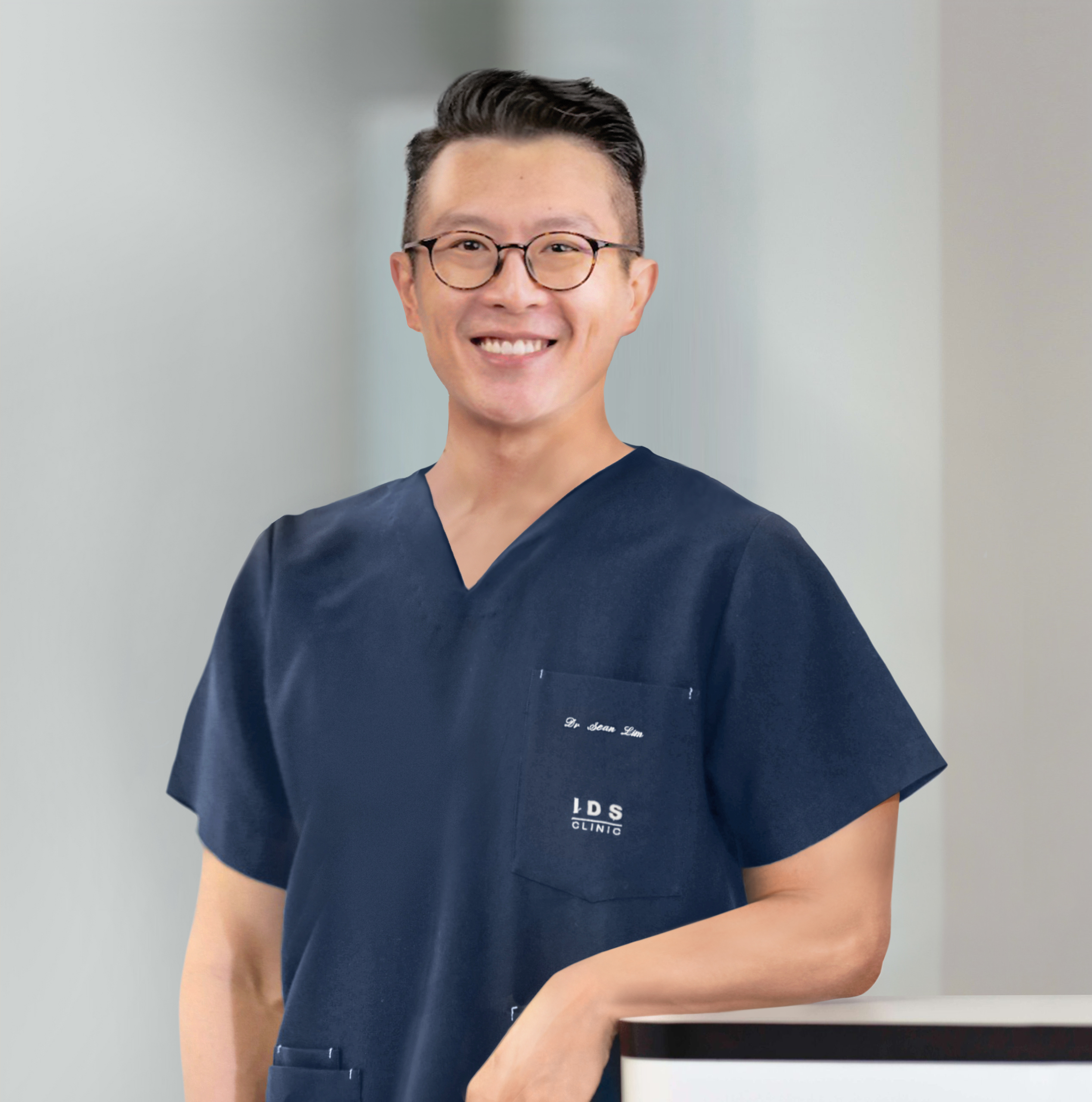
Portrait of Dr Sean Lim at IDS Clinic Singapore

Dr. Sean Lim

Special Interest

  • Acne
  • Acne Scarring
  • Fillers
  • Neurotoxin Injection - Botulinum Toxins
  • Face Lifting
  • Facial Enhancement

Dr. Sean Lim

Dr Sean is a dedicated medical professional with a diverse background in procedural disciplines and holistic care. He graduated with an MBBS degree from the National University of Singapore, earning recognition on the Dean's List for his exemplary performance in his final year Professional Examination.

  • MBBS (Singapore)
  • Certified Personal Trainer

Dr Sean is a dedicated medical professional with a diverse background in procedural disciplines and holistic care. He graduated with an MBBS degree from the National University of Singapore, earning recognition on the Dean's List for his exemplary performance in his final year Professional Examination. Fully registered with the Singapore Medical Council (SMC), Dr Sean is also certified to perform aesthetic procedures by the Aesthetic Dermatology Educational Group (ADEG). Beyond his clinical practice, Dr Sean actively engages in community service and leadership endeavours. He has contributed his medical expertise to humanitarian missions, including Naamjai Medical Missions trips to Thailand and a collaborative effort with plastic surgeons from NUH at Yangon's Defense Services General Hospital (DSGH).

Dr Sean's commitment to excellence extends beyond the medical field. As a former Singapore national athlete in pole vaulting, he has represented Singapore in numerous international competitions, earning accolades and setting records. Dr Sean’s passion for health and fitness is evident in his certification as a personal trainer and his dedication to maintaining an active lifestyle.

A proud new father, Dr Sean cherishes quality time with his family outside of work commitments, demonstrating a balanced approach to life and well-being. His belief in delivering quality care with a personal touch reflects his ethos as a compassionate healthcare provider.

Special Interest

  • Acne
  • Acne Scarring
  • Fillers
  • Neurotoxin Injection - Botulinum Toxins
  • Face Lifting
  • Facial Enhancement
Make An Enquiry
IDS DrFoo scaled

Dr. Denise Foo

Special Interest

  • Non-surgical face lift
  • Acne
  • Acne Scarring
  • Double Chin and Jawline Sculpting

Dr. Denise Foo

Dr Denise’s clinical approach is centred on safety, effectiveness, and natural-looking outcomes. She focuses on longevity and prevention, using gradual, evidence-based treatments to slow the ageing process. She views aesthetic medicine as part of a long-term strategy, where small, well-timed interventions help preserve facial balance and skin quality, potentially reducing the need for more invasive procedures later. Her approach emphasises restraint, consistency, and long-term planning. For patients seeking more visible change, such as those with depressed acne scars, she uses targeted treatments to achieve meaningful improvements in skin texture and quality.

  • Doctor of Medicine, UNSW

Dr Denise places strong emphasis on patient education and informed decision-making, particularly in an industry where misinformation is common. She ensures patients understand the benefits and risks of treatments, so they can make clear, deliberate choices aligned with their goals. She believes in lifelong learning and regularly stays up to date with the latest advancements and technologies to provide her patients with the best possible care. This allows Dr Foo to offer gold-standard solutions tailored to each patient's unique needs.  

Above all, Dr Denise values the trust her patients place in her and strives to provide care with respect, integrity, and attention to detail.

Special Interest

  • Non-surgical face lift
  • Acne
  • Acne Scarring
  • Double Chin and Jawline Sculpting
Make An Enquiry
Contact icon used for IDS Clinic website footer section

We treat every problem in an efficacious way.

Step into the world of aesthetic solutions built upon medical science.

Where we integrate technology, artificial intelligence and complementary skincare to address the most common skin problems.

    2ed8cef16517e25e333b7a712f93e3d60145ce99

    Novena Specialist center

    Weekdays: 10am – 8pm
    Saturdays: 10am – 5pm
    Sundays & PH: Closed

    b3b2caf23385064f33aad5628a569ab7d9cfee72

    International Building

    Weekdays: 10am – 8pm
    Saturdays: 10am – 5pm
    Sundays & PH: Closed